Affordability woes push Americans to delay first home purchases


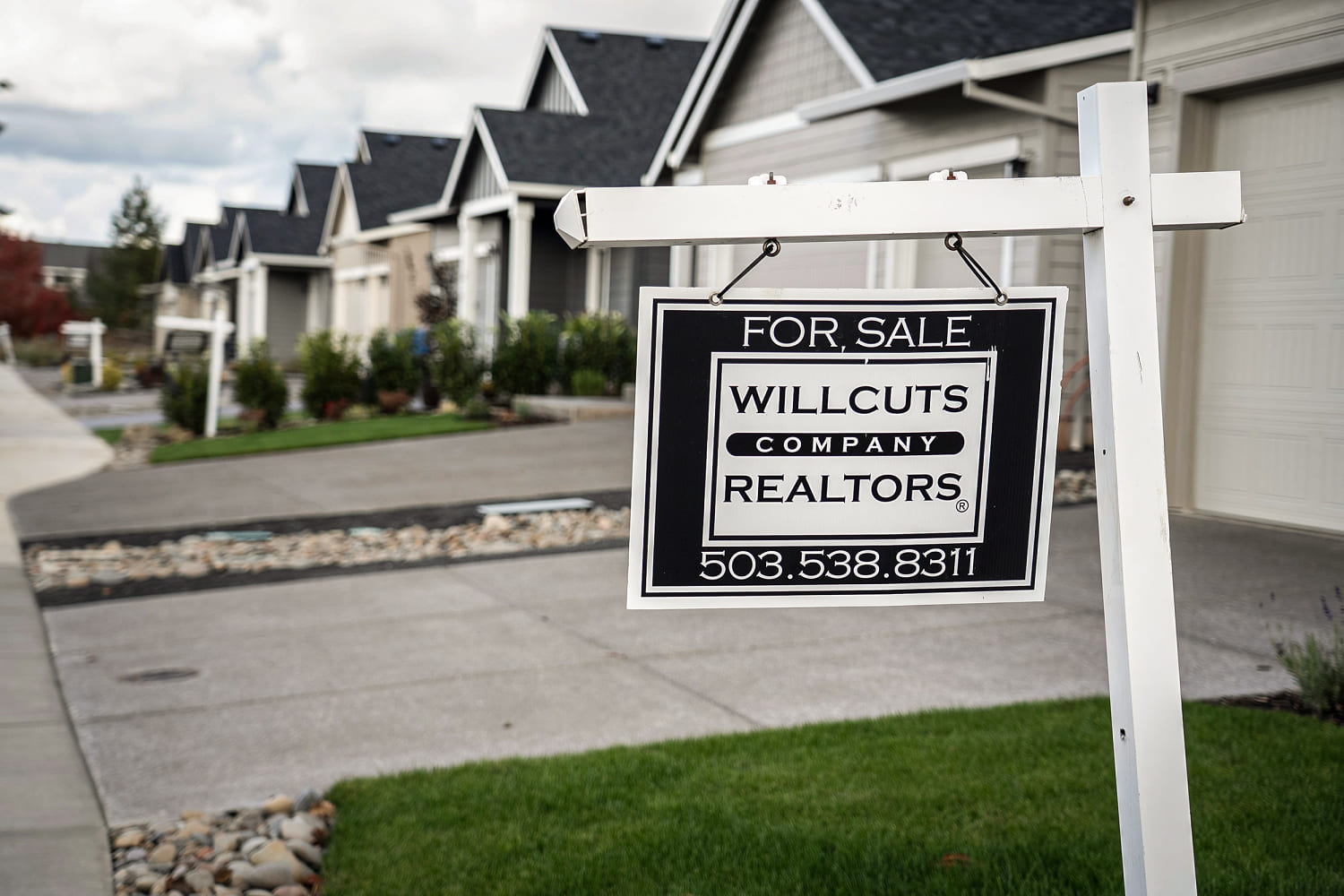
Dorienne Smith recently purchased her first home, a newly constructed townhouse in a subdivision outside of Columbus, Ohio. It wasn’t easy.
Recent rent increases led her to finally decide to become a landlord, launching a two-year search. She had trouble finding a house in her $400,000 price range that didn’t need a lot of repairs and was in a neighborhood where she felt comfortable.
At 40, Smith only recently felt stable enough to finally buy a house. It took finding a new job in human resources – and taking out a loan on her 401(k) – before she felt like she could afford to buy.
“It’s harder for people, especially those younger than me, to hold down a job that pays a six-figure salary or more, which is really what you need to buy a house these days,” she said.
Americans are waiting longer than ever to get their first home. Many of them are being held back by high interest rates, rising property prices and wages struggling to keep up with the cost of living. The median age of first-time home buyers reaches 40, according to a report from the National Association of Realtors. That’s up from 38 the previous year, and is the highest since the group began keeping records in 1981. First-time buyers also made up 21 percent of all buyers, which the association said is an “historic low.”
Housing affordability has been a pain point for years, according to the NBC News Home Buyer Index, which measures the difficulty of buying a home.
Policymakers have struggled to find solutions. President Donald Trump recently floated the idea of a 50-year mortgage as a way to lower monthly payments for homebuyers. But critics pushed back, arguing that 50-year mortgages, compared to standard 30-year mortgages, would do little to reduce housing prices themselves, while leaving buyers in debt longer and spending more on loan interest.
Rising costs of everything from rent to child care make it difficult for potential buyers to save for a home, said Jessica Lautz, vice president of research at the National Association of Realtors. Many young people are also burdened by expenses such as student debt, credit cards and car payments.
“We continue to see house prices rising, and with house prices growing we are also seeing interest rates at a higher level,” she said. “So overall housing affordability is difficult for a buyer to find.”
The median home price was above $415,000 in September, according to the National Association of Realtors, up 2.3% from last year. The group’s data shows existing home prices have jumped more than 33% nationwide since 2020.
High mortgage rates have only made the problem worse. The 30-year fixed mortgage rate has fluctuated between 6.60% and 6.80% for much of this year, and although it has fallen to around 6.25% in recent weeks, it remains far higher than most Americans feel they can afford.
“Because of high interest rates, a lot of homebuyers, who are your younger buyers, can’t afford housing, just because prices have been so high,” said Jeff Lichtenstein, broker and president of Echo Fine Properties in Palm Beach Gardens, Florida.
Young Americans are struggling to find the stability and savings needed to buy a home. Many believe that wages have not kept up with the cost of living, as stubborn inflation weighs on consumers. It can take some people years before they can save for a down payment or afford the nearly $2,200 a month that the National Association of Realtors now says is the typical monthly mortgage payment.
At the same time, college graduates have more student loan debt than ever before and are taking longer to pay them off. The Education Data Initiative found that from 2010 to 2023, the average cost of a four-year degree climbed 36% and the average federal student debt now stands at more than $39,000, according to Department of Education data.
Although Smith said she was fortunate to graduate with less than $20,000 in loans, she knows others who struggle under the weight of college debt.
“A friend of mine still has over $60,000 in student debt,” she said in an email to NBC News. “I know several others who also have equally large student debts.”
For most Americans, their home is more than just a place to live: it’s an important investment and nest egg. In 2022, the average homeowner had a net worth of about $396,000, or 38 times that of a non-homeowner. If new buyers can’t get that first home, Lautz warned, it could impact them and their children.
“That means less wealth creation for themselves, but also less chance of having an intergenerational transfer of wealth for future generations,” she said.