How To Find the Right Medical Rehab Services


Rehabilitation therapy can be a boon after hospitalization for a stroke, a fall, an accident, a joint replacement, a serious burn or a spinal cord injury, among other conditions. Physical, professional and speech theaters are offered in various contexts, including hospitals, nursing homes, clinics and at home. It is crucial to identify a safe and safe option of high quality with experienced professionals in the treatment of your condition.
What types of rehabilitation therapy could I need?
Physiotherapy helps patients improve their strength, stability and movement and reduce pain, generally by targeted exercises. Some physiotherapists specialize in neurological, cardiovascular or orthopedic problems. There are also geriatric and pediatric specialists. Occupational therapy focuses on specific activities (called “professions”), often those that require fine motor skills, such as brushing of teeth, cutting food with a knife and dressing. Speech therapy and ingotherapy help people to communicate. Some patients may need respiratory therapy if they find it difficult to breathe or should be weaned for a fan.
Will insurance cover rehabilitation?
Medicare, insurers-health, labor accident allowances and Medicaid plans in some states cover rehabilitation therapy, but plans can refuse to pay for certain contexts and can limit the number of therapy you receive. Some insurers may require a pre -authorization and some may end the coverage if you do not improve. Private insurers often set annual limits to ambulatory therapy. Traditional-maladie is generally the least restrictive, while private health insurance plans can follow up close progress and limit patients can obtain treatment.
Do I have to request a rehabilitation of hospitalized patients?
Patients who still need nursing or career care of the doctor but can tolerate three hours of therapy five days a week may be eligible for admission to a specialized rehabilitation hospital or in a general hospital unit. Patients generally need at least two of the main types of rehabilitation therapy: physical, professional or speech. There remains on average about 12 days.
How to choose?
Look for a clever place to deal with people with your diagnosis; Many hospital patients lists specialties on their websites. People with complex or serious medical conditions may want a rehabilitation hospital linked to an academic medical center at the forefront of new treatments, even if it is a plane trip.
“You will see young patients with these injuries that change their life and fairly catastrophic”, such as damage caused by spinal cord, go to another state for treatment, said Cheri Blauwet, head doctor of Spaulding rehabilitation in Boston, one of the 15 hospitals that the federal government has congratulated for advanced work.
But there are advantages to selecting a hospital close to family and friends who can help you after your release. Therapists can help train caregivers at home.
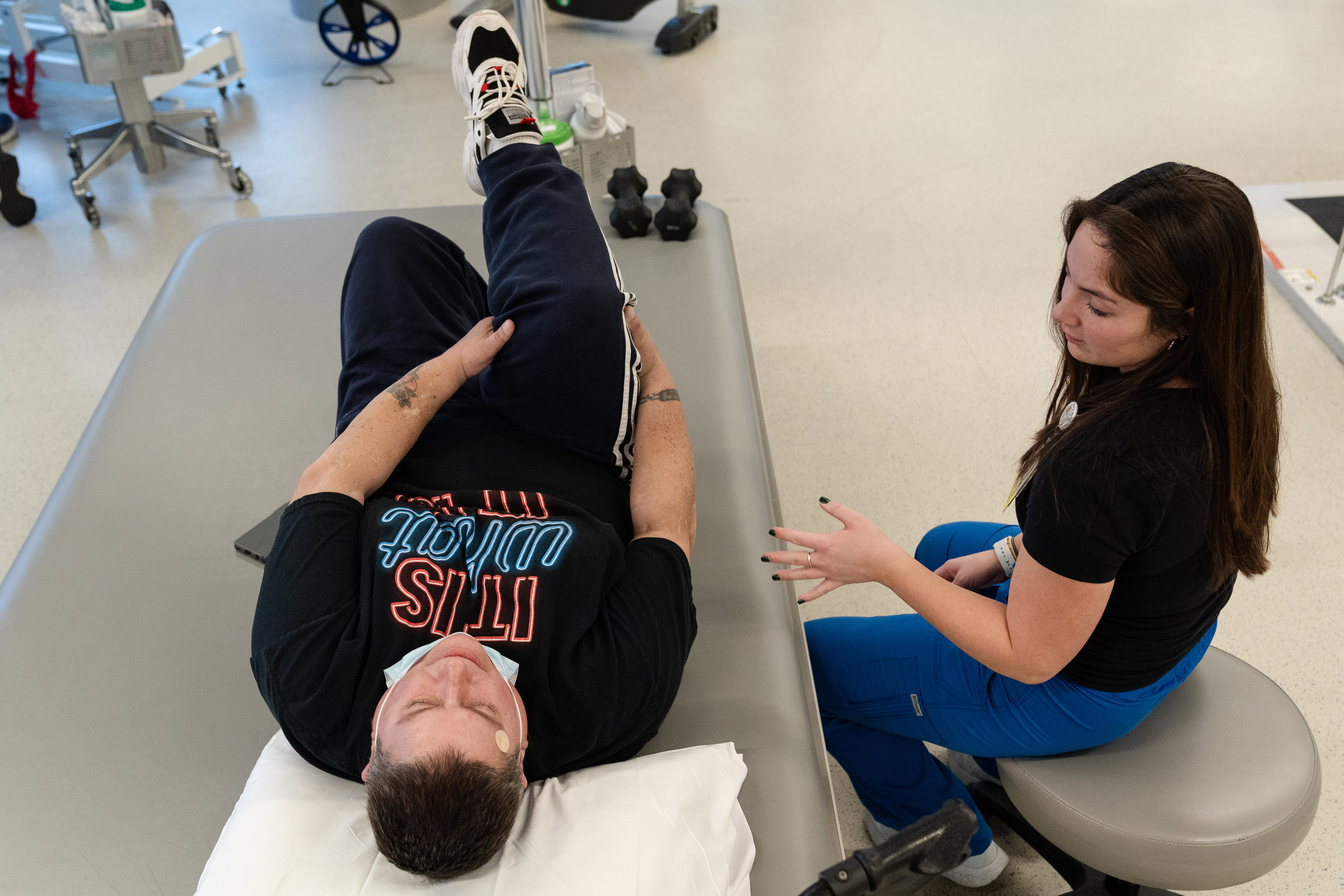
How to find rehabilitation hospitals?
The discharge planner or the social worker at Acute Care hospital should offer options. You can search for rehabilitation installations for patients hospitalized by location or name via the CARE CARE MEDICARE website. There, you can see how many patients the rehabilitation hospital treated with your condition – the better. You can search by specialty through the American Medical Rehabilitation Providers Association, a commercial group that lists its members.
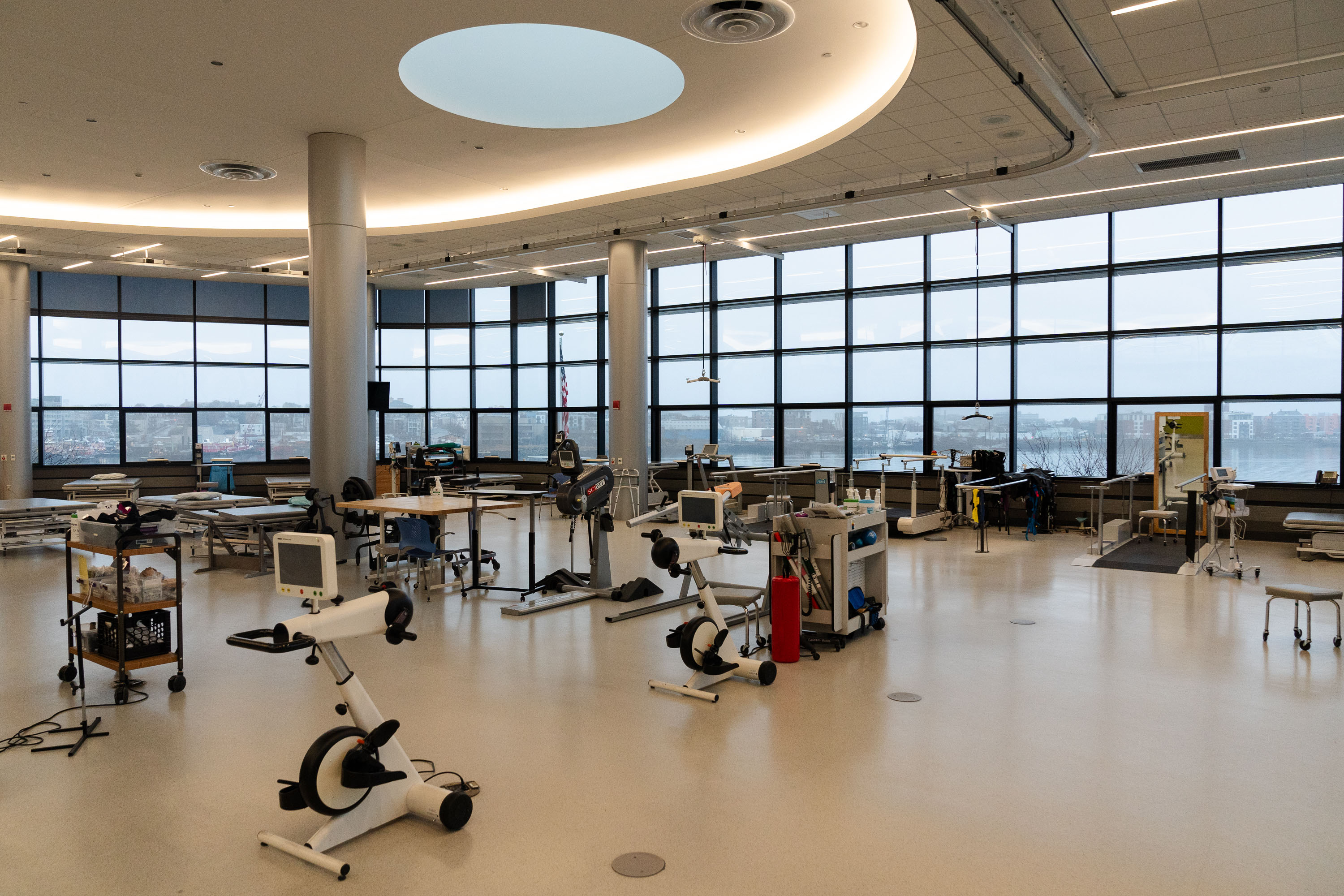
Discover the specialized technologies that a hospital has, like driving simulators – a car or a truck that allow a patient to train to enter and get out of a vehicle – or a kitchen table with utensils to train to prepare a meal.
How can I be sure that a rehabilitation hospital is reliable?
It is not easy: Medicare does not analyze the levels of staff or does not publish on the results of its website security inspections as for nursing homes. You can ask your public state or hospital health agency to provide inspection reports over the past three years. These reports can be technical, but you should get the essentials. If the report indicates that an “immediate danger” was called, it means that inspectors have identified safety problems that put patients in danger.
The rate of patients re -added to a general hospital for a potentially preventable reason is a key safety measure. Overall, for -profit rehabilitation have higher readmission rates than non -profit organizations, but there are with lower readmission rates and some with higher rates. You may have no choice nearby: there are less than 400 rehabilitation hospitals, and most general hospitals do not have a rehabilitation unit.
You can find the readmission rates of a hospital under the quality section of a hospital. The rates lower than the national average are better.
Another quality measure is the frequency to which patients are functional enough to go home after having finished rehabilitation rather than for a nursing home, a hospital or a health care establishment. This measure is called “discharge to the community” and is listed under the compared quality section. Rates above the national average are better.
Look for hospital exams on Yelp and other sites. Ask if the patient will see the same therapist most of the time or a rotary character of characters. Ask if the therapists have obtained certifications from the Board of Directors after intensive training to treat the particular condition of a patient.
Visit if possible and not only look at the hospital rooms where therapy exercises take place. Injuries often occur within 9 p.m. where a patient is not in therapy, but in his room or another part of the building. Infections, falls, beginnings and drug errors are risks. If possible, observe if the nurses react quickly to the appeal fires, seem overloaded with too many patients or play apathetically on their phone. Ask current patients and family members if they are satisfied with care.
What if I can’t manage three hours of therapy per day?
A nursing home that provides rehabilitation could be appropriate for patients who do not need supervision of a doctor but who are not ready to go home. The facilities generally provide nursing care 24 hours a day. The amount of rehabilitation varies depending on the patient. In the United States, there are more than 14,500 qualified nursing establishments, 12 times more than hospitals offering rehabilitation, so a nursing home can be the only option near you.
You can look for them on the compare Medicare’s Care website. (Read our previous guide to find a good home -Gle house to find out how to assess global staff.)
What if patients are too fragile even for a nursing home?
They may need a long -term care hospital. Those who specialize in patients who are in comas, on fans and have acute medical conditions that require the presence of a doctor. Patients remain at least four weeks and some are there for months. Care Compares helps you search. There are less than 350 hospitals of this type.
I am strong enough to go home. How to receive therapy?
Many rehabilitation hospitals offer ambulatory therapy. You can also go to a clinic or therapist can come to you. You can hire a home health agency or find a therapist who takes your insurance and makes home calls. Your doctor or hospital may refer to you. On compared care, home health agencies indicate that they offer physical, professional or speech therapies. You can search for certified therapists on the board of directors on the website of the American Physical Therapy Association.
During rehabilitation, patients sometimes travel from hospital to home nursing establishment, often on the insistence of their insurers. Alice Bell, main specialist in APTA, said patients should try to limit the number of transitions for their own safety.
“Each time a patient goes from one frame to another,” she said, “they are in a higher risk area.”


