3 ways to have more fun with a Linux PC this weekend (December 26


So you’ve just installed Linux on an old laptop for the first time. Or maybe you made it months ago and it’s sat unused in your office ever since. And now ? Is there anything else to do besides surf the web?

HTG Wrapped 2025: 24 days of technology
24 days of our favorite hardware, gadgets and technologies
Yes, there are tons of things you can do on your new Linux system that it was designed for and that usually don’t cost anything. If I have a free weekend at home, here’s what I do with my Linux computers.
Get a free Linux native game
The world of open source gaming is booming

These days, when you hear about gaming on Linux, it’s almost always in the context of Steam and Proton or maybe Lurtis or another platform with installation scripts and compatibility layers to make Windows games easier to play. However, if you think outside the Microsoft box, there is a world of free and open source games that don’t require a download.
These games are built by teams of passionate developers, usually volunteers, who literally do it for the love of the game. There is also usually a vibrant community dedicated to these games. Since they are almost always open source, modding support and level editors come closer to the requirements of the native Linux gaming world.
Installing one of these is one of the easiest and most fun things you can do with your Linux computer right now.
So what should you play? I discovered several Linux ports of classic games where you will find games like OpenRA recreate the original Command and conquest games. There is also Endless sky allowing you to explore galaxies like you may remember in Escape speed.
Don’t sleep on the original games available in the Linux repositories either. The side-scrolling adventure game CaveStory NX is a classic, and I hear that Xonotic is a very fun arena shooter.
Try customizing the desktop environment
Exercise the freedom that Linux gives you

You probably already know that your Linux desktop environment, like GNOME, KDE Plasma or Xfce, is very flexible and can be customized to your liking. What you may not know is that there are often features and configurations buried in the settings that are unconventional and sometimes just plain weird.
For example, looking at the Desktop Effects settings on my KDE Plasma computer, there is a “Fall Apart” animation for windows that causes any window you close to break into pieces as it disappears from your desktop. It’s sure to entertain anyone you show your Linux computer to.
I also know that there are many GNOME shell extensions that change the appearance and behavior of the desktop environment. I don’t use GNOME much myself, but I know a lot of people like the Blur My Shell extension.

9 Criminally Underrated GNOME Extensions That Nobody Talks About
Bringing attention to amazing GNOME extensions that lack proper media representation.
There are also fan-developed themes that can give your desktop a specific look or emulate a specific version of a specific operating system. There are ways to make Plasma feel like MacOS, and Xfce is easy to convert to a Windows 95-like experience.
Find an app to replace big tech software
Go off the grid, tuxedo style
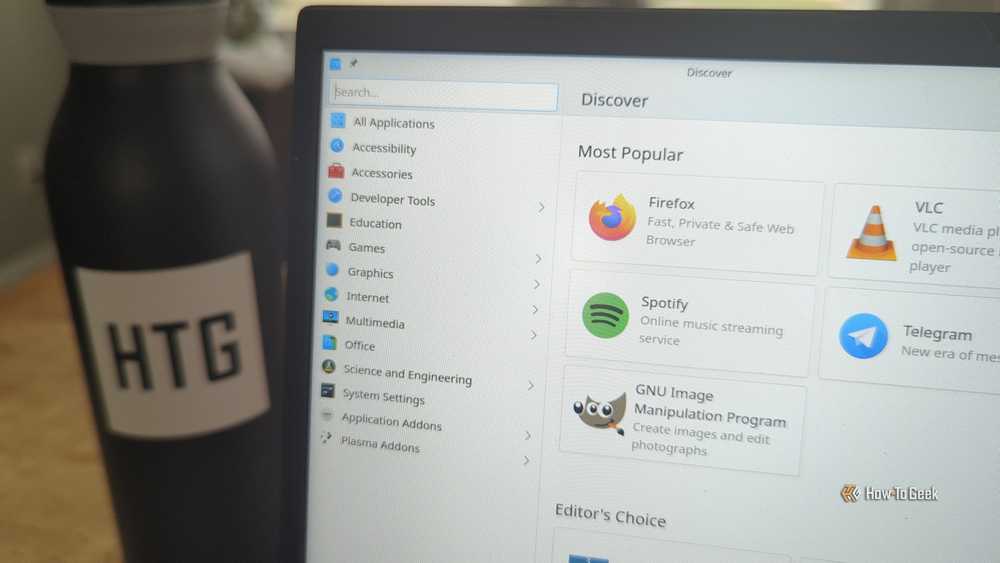
I’m constantly looking for handy software for Linux. In fact, I write every week about what I discovered, showing which apps are worth trying.
The fun part is when you discover an app that can totally replace the big tech apps or websites you’ve relied on for years. For example, GNOME Maps can potentially replace Google Maps for you, while LibreOffice and OnlyOffice are meant to replace Microsoft Office.

3 Cool and Useful Linux Apps to Try This Weekend (December 19 – 21)
Do you have an old telescope in the garage? Start using it again with the first application.
You can also find offline replacements for websites you may have relied on. Ticket Booth lets you track your movie-to-watch lists like Letterboxd does, and KeePassXC gives you a password manager that requires no online registration. There is so much to discover if you visit Flathub or search your distribution’s built-in repositories.
I’ll also let you in on a little secret about how I find useful apps: there are huge lists out there for those who know where to find them. The full list of KDE apps is great browsing, and GNOME has its own list of apps that you’ll have a lot of luck browsing. Linux fans often make lists on Reddit and other community discussion sites, so I regularly read recommendations there as well.
That’s all my ideas for this weekend. If you’re still bored with your Linux PC next week, I might have some other ideas. Until then, you might want to look into some homelab ideas for the weekend, if you’re the self-hosted, DIY type.


