AMD doesn’t care about gamers anymore


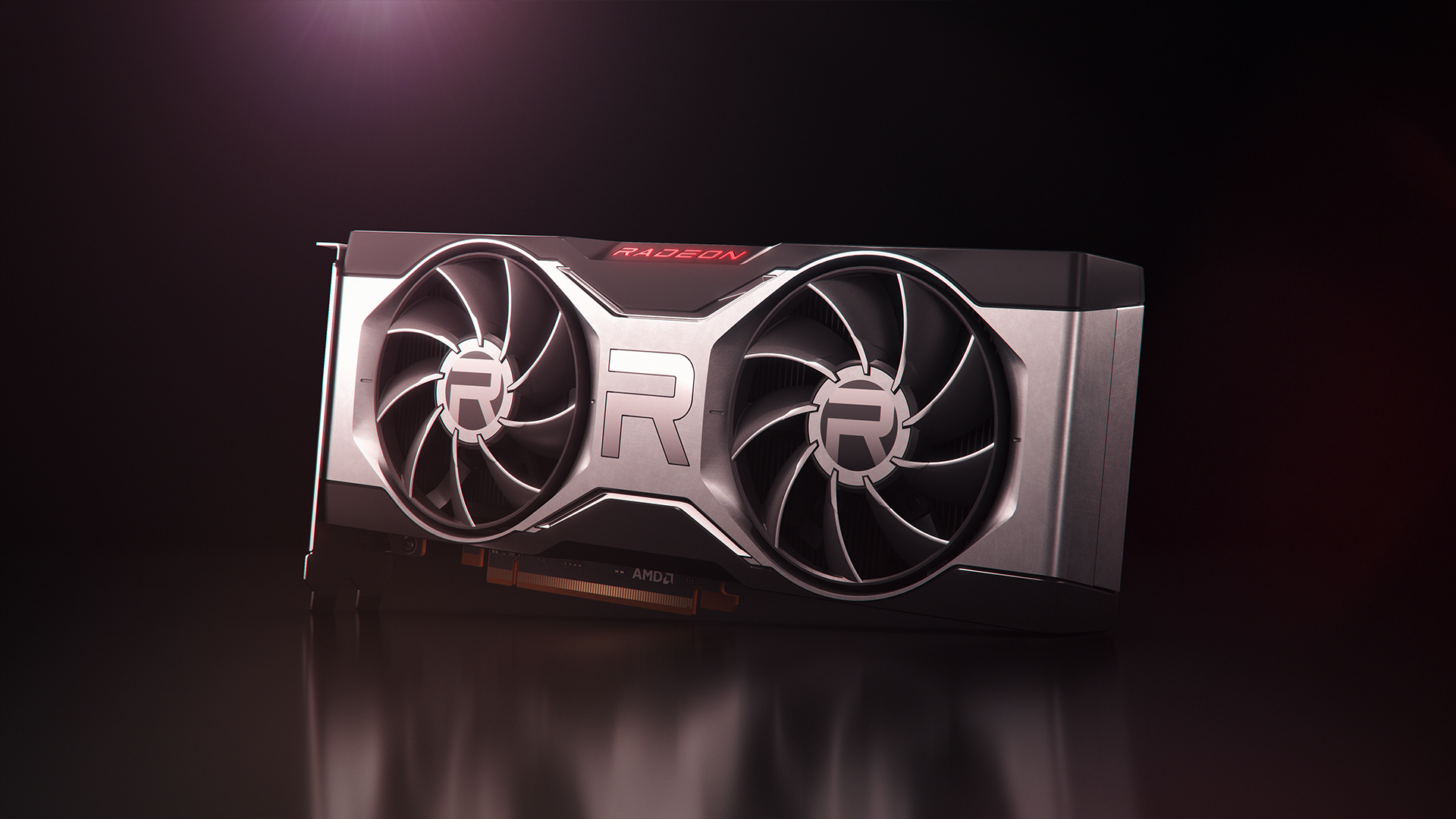
AMD holds a special place in people’s hearts. This is largely because the company is seen as a more “open” and “friendly” alternative to NVIDIA and Intel.
The public perception of AMD makes it all the more unfortunate that the company is taking overtly anti-consumer actions. Just five years after the launch of the RX 6000 series, driver updates are already heavily prioritized.
But what happened?
First of all, a quick update on current news. Graphics cards based on the RDNA 1 (Radeon RX 5000 series) and RDNA 2 (Radeon RX 6000 series) architectures are being moved to a “maintenance” support model. These once-flagship GPUs will no longer receive monthly driver updates that include crucial “zero-day” performance optimizations for new game releases. Instead, AMD will only provide updates for critical bug fixes and security vulnerabilities.
After the initial backlash, AMD issued a clarification in the form of a statement to websites such as Tom’s materialmentioning that the maps will also benefit from “new features, bug fixes and gameplay optimizations”, which will continue to be delivered. according to market needs in the maintenance mode branch.” The “as market needs” tone is as vague as possible, and basically means that AMD may or may not provide optimizations for games. And if so, it may only be for massive AAA releases from major studios. AMD can really get away with anything here, including not providing optimizations at all and sticking only to bug fixes and security updates.
How does Nvidia stack up?
AMD deprecating RDNA 1/2 cards is unfortunate given the competitive landscape. AMD just dropped priority support for its five-year-old cards, while NVIDIA is doing much better with significantly older cards.
NVIDIA recently downgraded many of its older cards from Game Ready driver status to the security update phase – the exact same type of deprioritization that AMD just implemented. But the cards concerned are significantly older. For example, the Pascal architecture (GeForce GTX 10 series), launched in May 2016, received its last Game Ready driver in October 2025. This equates to a full support lifespan of over 9 years. Similarly, the Maxwell architecture (GeForce GTX 900 series), launched in September 2014, was supported with Game Ready drivers until October 2025, a lifespan of 11 years.
In this new deprioritized stage, the cards will last a while longer. For the Pascal and Maxwell cards mentioned above, this security update phase will continue for three more years, until October 2028.
This means that the Maxwell architecture would have lasted 14 years by the time the updates were completed. While RDNA 1 and RDNA 2 aren’t dead in the water, the fact that they’re already deprioritized when they’re not even 10 years old yet is pretty discouraging for long-term support.
Why is this important?
That matters a lot. Although the cards will continue to receive maintenance updates, this means that they will not benefit from the same type of support that the RDNA 3 or RDNA 4 cards currently receive. AMD says it will occasionally offer you gaming optimizations, but unless the game is huge and played by a lot of people, you’ll have to wait a long time for these optimizations. And sometimes they don’t even come.
Honestly, given how vague this promise is, it could also mean that optimizations for headlines are few and far between. And don’t even think about new software features, major FSR improvements, or other optimizations: AMD will almost certainly reserve a good portion, if not all, of them for its RDNA 3 and RDNA 4 cards.
I feel betrayed
AMD deprecating RDNA 1/2 is particularly offensive given that This is AMD we’re talking about! For years, AMD has cultivated an image as an open, community-oriented, “nice” alternative to NVIDIA’s walled garden. AMD has made its Linux drivers open source, made FSR scaling fully open source, and invested heavily in ROCm (Radeon Open Compute), its open source alternative to CUDA. He has also generally favored open industry standards such as FreeSync (based on VESA’s Adaptive-Sync) over the creation of proprietary, closed technologies.
Those who purchased an RX 6000 series card (RDNA 2) did so not just for performance, but often because we were “Team Red.” We believed in the company’s pro-consumer philosophy. And now, faced with such a hostile move from users, we rightly feel betrayed. RDNA2 will soon be five years old and it was (and is) very popular. Removing optimizations gives the impression of planned obsolescence.
Hopefully AMD will listen to its users and reverse this. But I’m not holding my breath.


