America Needs a Culture of Care, Not a Culture of Death


In December, Governor JB Pritzker (Democrat) signed a bill legalizing assisted suicide in Illinois. During the signing, Pritzker emphasized that the law would give terminally ill patients the autonomy to avoid unnecessary pain and suffering. Five days later, New York Governor Kathy Hochul (D) pledged to legalize assisted suicide in her state, saying such a measure would allow New Yorkers “to suffer less – and shorten not their lives, but their deaths.”
Once Hochul signs the assisted dying law into law this year, New York will become the thirteenth state, after Illinois, to legalize assisted dying.
Proponents of assisted suicide present it as a compassionate response to suffering, arguing that it offers the terminally ill a final exercise of autonomy and a so-called “death with dignity.”
Although avoiding pain is the main justification given by activists, most patients give different reasons for choosing an early death. Loss of autonomy and fear of being a burden on family members are consistently greater than unmanaged physical pain.
In Canada, where medical assistance in dying (MAID) has become the fifth leading cause of death since its legalization in 2016, government reports show that the most common reasons given for requesting assistance in dying are not uncontrolled pain. More than 80 percent of recipients report a loss of independence or an inability to engage in meaningful activities, while about 45 percent say they don’t want to be a burden. Oregon data shows the same pattern. In 2024, 89 percent of beneficiaries reported a loss of autonomy and 42 percent, or nearly half, said they were worried about the burden on family.
These data points tell their own story about the strong cultural message patients have absorbed: that a life without autonomy is not worth living and that needing others is failure.
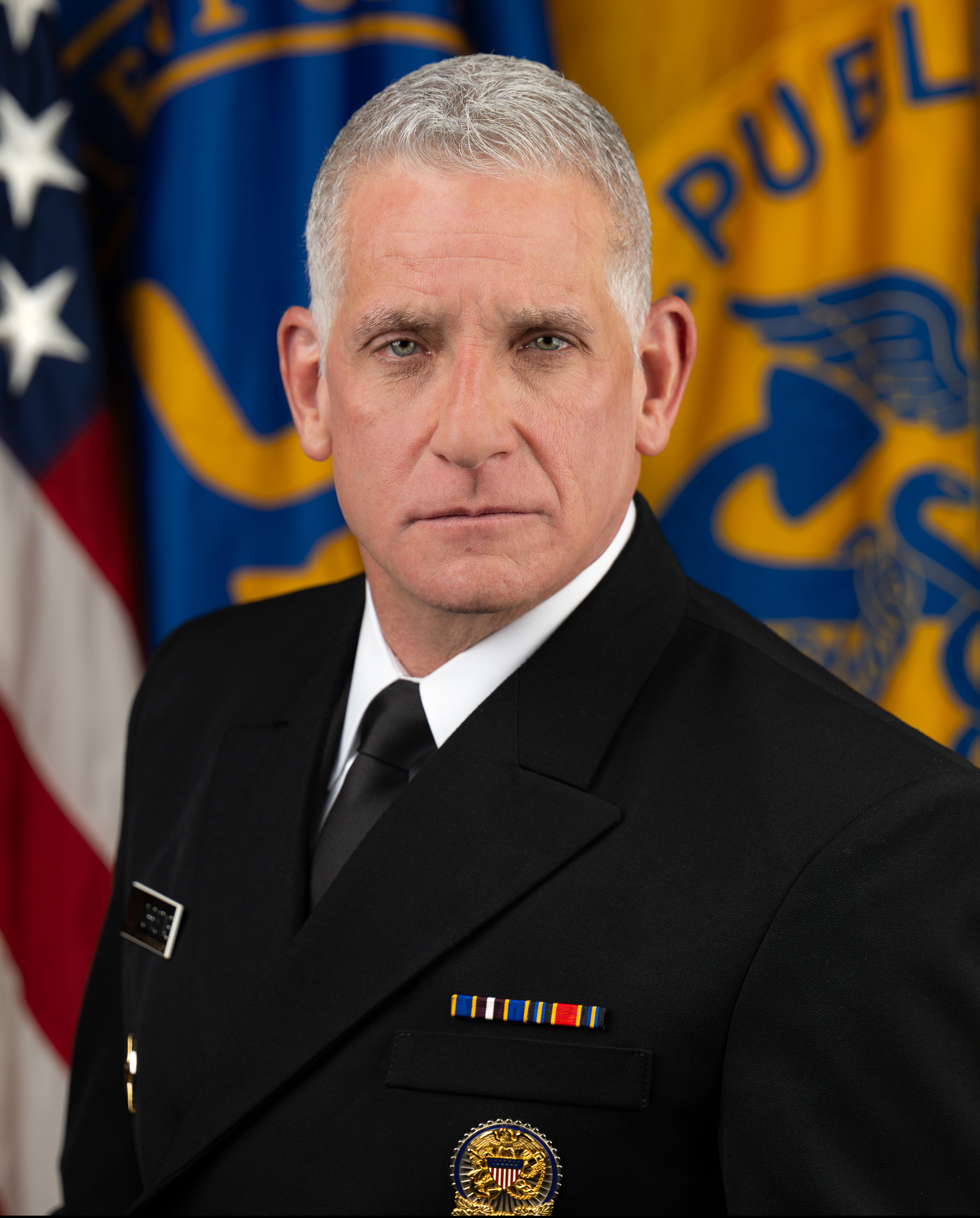
Admiral Brian Christine, MD, Assistant Secretary for Health at the Department of Health and Human Services. (Photo by Amy Rossetti/HHS)
As a physician, I recognize the deeply human impulse behind these assumptions. No one wants to feel helpless in the face of suffering or ask others to share it. However, the difficulty of suffering does not absolve us from the responsibility to recognize the dignity inherent in every human person. At the Department of Health and Human Services, we do not support assisted suicide, not because we deny the reality or severity of suffering, but because intentionally ending a person’s life violates human dignity. This dignity is not conditional; it does not depend on physical strength, independence, cognitive ability or health.
Pope John Paul II expressed this with particular clarity in Evangelium Vitae: “Even in the midst of difficulties and uncertainties, any person sincerely open to truth and good can, by the light of reason and the hidden action of grace, come to recognize in the natural law written in the heart… the sacred value of human life from its beginning to its end, and can affirm the right of every human being to have this primordial good respected to the highest degree. »
If dignity depended solely on autonomy, then the very young, the cognitively impaired, the severely disabled, and the dying would possess less dignity, precisely when they most need protection. Dignity must guide care practices, not by allowing death when autonomy falters, but by requiring the community to surround vulnerable people with protection, care and love until their natural death.
Supporters often reassure the public that assisted suicide laws are narrowly limited to the “terminally ill,” commonly defined as those expected to die within six months. In practice, this guarantee is weak. Doctors cannot reliably predict when a patient will have six months to live, especially in cases of chronic or degenerative disease. What is presented as a narrow category quickly becomes broad.
When the state accepts the principle that some lives are no longer worth supporting, safeguards erode. Assisted suicide schemes are expanding beyond their original targets, as seen in Belgium and the Netherlands, where eligibility now includes chronic and psychological illnesses and extends to children.
As Assistant Secretary for Health at the U.S. Department of Health and Human Services, I believe there is a better way. It’s more demanding, but it’s more human. This requires investment in comprehensive palliative and palliative care that relieves pain without eliminating the patient. This requires mental health care that will treat the despair rather than ratify it. This requires significant support for patients, their families and their caregivers so that no one feels abandoned. Above all, this requires a cultural renewal, one that understands addiction not as a failure, but as a shared human condition.
Ultimately, a society is judged not by how effectively it eliminates suffering, but by how faithfully it supports those who suffer. We must choose a culture of care and not a culture of death. We reaffirm without exception the sacred value of all human life, from its beginning to its natural end.
Admiral Brian Christine, MD, is the Assistant Secretary for Health at the Department of Health and Human Services and the Commissioned Chief of the United States Public Health Service.


