The five most influential people in the history of The Game, and why they matter

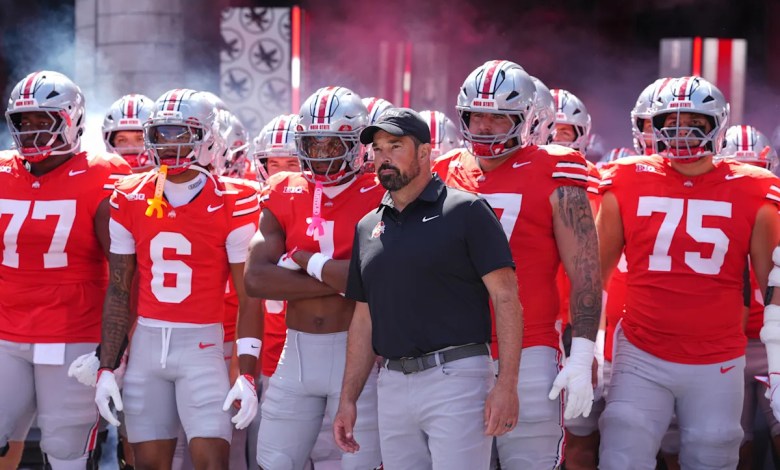
No rivalry in college football has the cultural weight or season-defining issues between Michigan and Ohio State. For more than a century, a handful of coaches and players have done more than win games. They helped reshape the way both programs approach the game and, in some cases, changed the rivalry forever.
Here are the five characters who I believe had the biggest influence on The Game.
Advertisement
1. Woody Hayes: The embodiment of Ohio State’s identity
No one shaped the identity and emotional temperature of the Ohio State-Michigan rivalry more than Woody Hayes, the fiery and uncompromising head coach of the Buckeyes from 1951 to 1978.
Hayes not only coached The Game, he truly lived it. His open disdain for Michigan, from refusing to even say its name to the legendary quote: “I went for two because I couldn’t make three,” transformed the game from competitive to deeply and overly personal.
On the field, Hayes built Ohio State into a national power, winning multiple national titles and Big Ten championships with his trademark physique and running philosophy. His combative mentor-turned-adversary relationship with Bo Schembechler sparked the iconic Ten Years’ War (1969-1978). A decade that truly elevated the rivalry to national importance and defined the modern intensity that still surrounds every encounter today.
Advertisement
Without Woody Hayes, The Game simply wouldn’t be The Game.
2. Bo Schembechler: Michigan’s foil and co-architect of the rivalry’s golden age
Bo Schembechler arrived at Michigan in 1969 to counter Woody Hayes’ growing empire, and his impact was immediate.
In his very first season, Bo led one of the biggest upsets in college football history. Michigan 24, No. 1 Ohio State 12, ending the Buckeyes’ 22-game winning streak and starting what would become the infamous Ten Year War.
Over the course of 21 seasons, Schembechler’s tenacity, discipline and uncompromising standards produced 194 wins, 13 Big Ten titles and a program built around one core priority, beating Ohio State. His annual clashes with Hayes, mentor versus protégé, transformed the rivalry from a regional tradition into a national obsession.
Advertisement
The stories, mythology and emotional stakes forged in the Hayes-Schembechler era still define The Game today.
3. Jim Tressel: The modern Ohio State architect who made The Game a must-see
In the 2000s, Jim Tressel redefined how Ohio State handled rivalry weeks.
Meticulous preparation, conservative game management and the ability to win close, high-pressure matches. Tressel’s teams went 9-1 against Michigan and his “Tresselball” approach, field position, defense and special teams turned the game into one that Ohio State fans expected to control.
For a generation of Buckeye alumni and players, Tressel restored a culture where a victory against Michigan often meant an entire season’s success.
Advertisement
4. Charles Woodson: a single-season, single-game performance that still resonates
Charles Woodson’s 1997 campaign and his performance against Ohio State that season are the archetype of a rivalry-defining individual day.
Woodson won the Heisman in 1997 thanks in part to game-changing plays against the Buckeyes, including a long punt return for a touchdown that swung the outcome of that season’s game and highlighted how one player can alter the trajectory of both programs in a single Saturday afternoon.
This play remains one of the iconic individual performances in The Game’s long history.
5. Archie Griffin: Consistency, Heisman history and rivalry legacy for Ohio State
Archie Griffin is the only two-time Heisman winner in college football history, and his sustained excellence in the mid-1970s gave Ohio State a powerful offense that regularly dominated Michigan and the Big Ten.
Advertisement
Griffin’s Hall of Fame career and championships tied to his era helped define Ohio State’s identity as a national contender, a status that turned games against Michigan into season-defining opportunities and added historic weight to each subsequent meeting.
Honorable mention: Desmond Howard (the heisman pose)
The most iconic moment in rivalry history
In 1991, Desmond Howard returned a punt against Ohio State, sprinted into the end zone and struck the Heisman pose in front of a national audience. He was instantly immortalized. This unique, daring, symbolic and unforgettable moment transcended the rivalry and became one of the most famous images in college football history.
Advertisement
Whether you’re wearing maize and blue or scarlet and gray, you know exactly where you were when you first saw it.
Why are these numbers alone?
These coaches, players and moments not only influenced the rivalry, they also shaped the identity of the entire sport. From the Ten Years’ War to countless iconic highlights, from Heisman winners to untouchable coaching legacies. Ohio State vs. Michigan is what it is today because of these people above.
And every November, when the countdown ends and the helmets collide, their legacy still shapes The Game.


