America’s food dye ban challenged in West Virginia as judge halts provisions of law


NEWYou can now listen to Fox News articles!
The Make America Healthy Again (MAHA) movement began in 2025, leading to a wave of changes in health policy nationwide, particularly around food and nutrition. Now, supporters swear a legal setback won’t slow them down.
A West Virginia judge suspended enforcement of parts of HB 2354 – the state law restricting certain food colors and preservatives – during the holiday week on December 23. That sparked a swift response from state leaders and advocates who say the fight is only intensifying.
In her ruling, Judge Irene Berger – appointed by former President Obama – said the law is “unconstitutionally vague because it fails to provide sufficient notice and invites arbitrary enforcement.”
COMMON CHEMICALS, FROM FOOD ADDITIVES TO PESTICIDES, CAN HARM YOUR GUT HEALTH, STUDY SAYS
She added that the law does not explain how the West Virginia Department of Health should determine whether color additives other than those specifically listed are “toxic and harmful.”
Berger was nominated in 2009 by Obama to serve as a U.S. district judge for the Southern District of West Virginia.
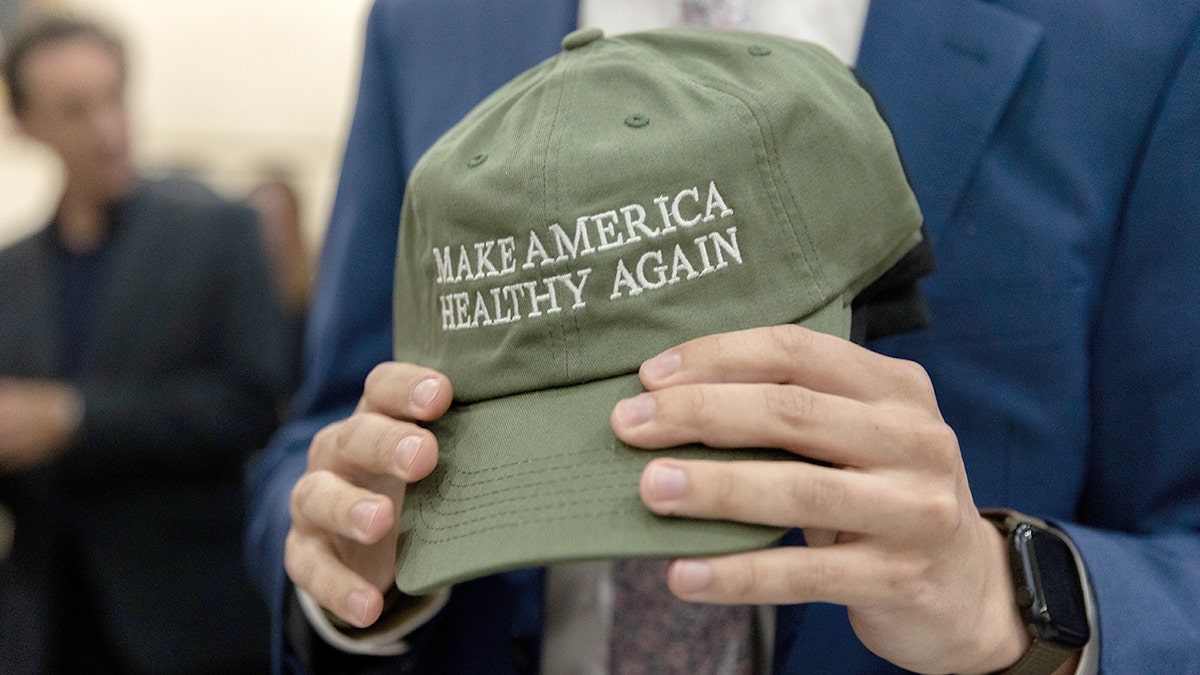
A West Virginia judge appointed by former President Barack Obama has suspended the Make America Healthy Again food coloring ban, calling the law “unconstitutionally vague,” in a major setback for the health movement. (Nathan Posner/Anadolu via Getty Images)
West Virginia’s House Bill 2354, signed by Gov. Patrick Morrisey, aims to phase out certain artificial colors.
Starting Aug. 1 of this year, seven dyes were banned in school meals — and starting Jan. 1, 2028, the same dyes, along with two preservatives, would be banned in food products sold statewide.
The judge’s new ruling does not apply to school nutrition programs — so the school lunch portion remains on track even as the broader legal battle plays out.
PEPSICO TO REMOVE ARTIFICIAL INGREDIENTS FROM POPULAR FOODS BY THE END OF 2025
Red food coloring No. 3, red food coloring No. 40, yellow food coloring No. 5, yellow food coloring No. 6, blue food coloring No. 1, blue food coloring No. 2 and green food coloring No. 3 were all banned from school meals starting in August.
The same food colors, along with the preservatives butylated hydroxyanisole and propylparaben, will be banned from all food products sold in the state starting in 2028.
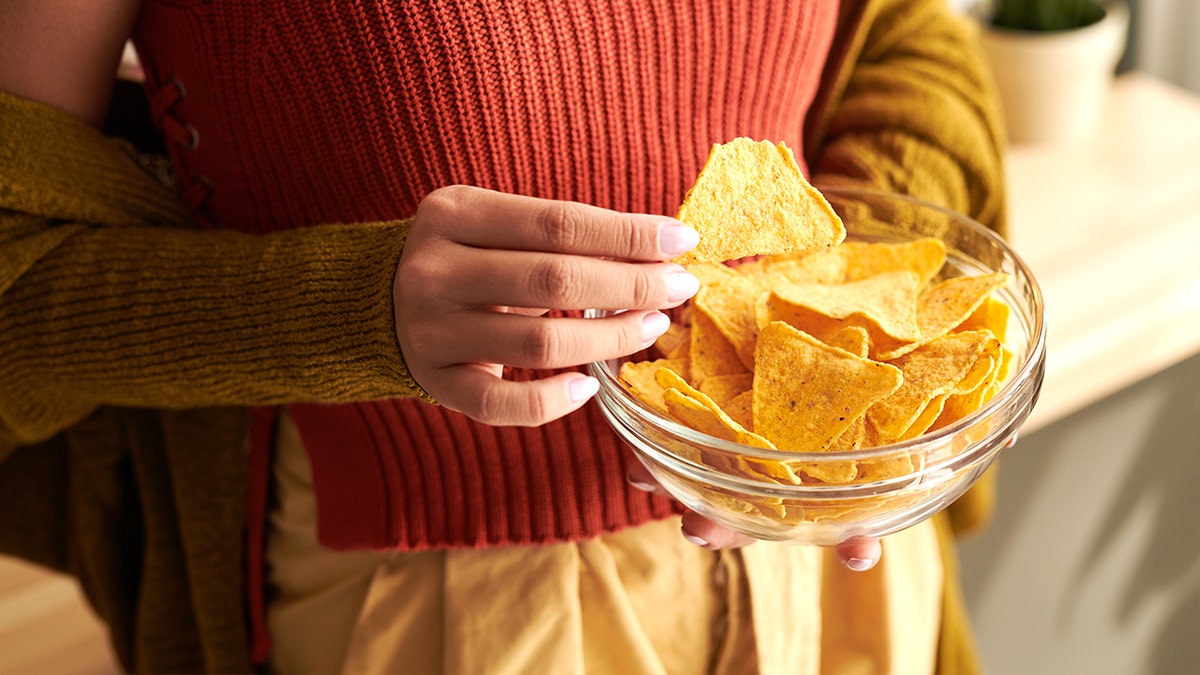
West Virginia’s food coloring ban is “unconstitutionally vague because it fails to provide sufficient notice and invites arbitrary enforcement,” a judge ruled. Others vehemently disagree. (iStock)
Gov. Morrisey, a Republican, issued a statement calling the decision a red herring, calling it “premature and poorly made.”
“West Virginia will continue to defend its authority to protect the health and well-being of our citizens, especially children,” its statement said. “We are reviewing our legal options and will continue to pursue our efforts to eliminate harmful filth from our food supply.”
Morrisey told Fox News Digital in an interview that “West Virginia has set the standard for the nation in protecting children from harmful ingredients in foods.”
“Since we took action, other states have taken a step forward and manufacturers have already started changing formulas because they see where this is going,” Morrisey said.
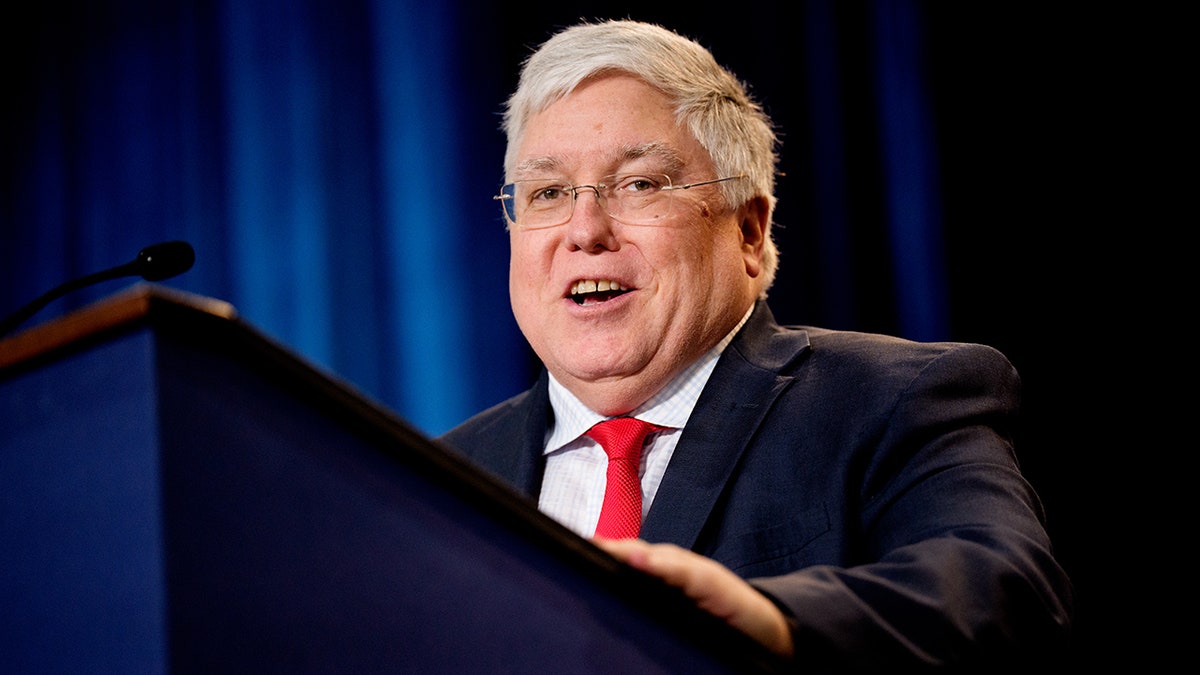
“We are reviewing our legal options and will continue to pursue our efforts to eliminate harmful waste from our food supply,” Gov. Patrick Morrisey said in response to the judge’s ruling. (Andrew Harnik/Getty Images)
“Children who consume these dyes in many foods, day after day, during critical stages of their development, face a higher risk of chronic diseases,” he added. “West Virginia took action because protecting children’s health should never be optional, and we remain proud to lead this effort.”
Red coloring gives foods a bright cherry red color. According to the Cleveland Clinic, it has been linked to behavioral problems in children, while non-human studies have linked this dye to cancer.
Robert F. Kennedy Jr., secretary of Health and Human Services, made eliminating artificial colors from the U.S. food supply one of his priorities during his work as a member of President Donald Trump’s cabinet.
“Artificial food colors have no nutritional value.”
During his first trip as America’s top health official in March, Kennedy spoke in Martinsburg alongside Gov. Morrisey, who said his state’s lockdown plan and the Democratic scion’s choice to visit the region showed for the first time that the “MAHA” movement “starts right here in West Virginia.”
TEST YOURSELF WITH OUR LATEST LIFESTYLE QUIZ
The debate over artificial colors has become a flashpoint for MAHA supporters. Many see this legal challenge as proof that the movement is beginning to face real resistance. They see this as a reason to react harshly rather than retreat.
Liana Werner-Gray, nutritionist and author of “The Earth Diet,” told Fox News Digital that “artificial food colors offer no nutritional value.”
The Australian native said the European Union (EU) requires warning labels on products containing several common artificial colors “due to links to activity and effects on attention in children.”
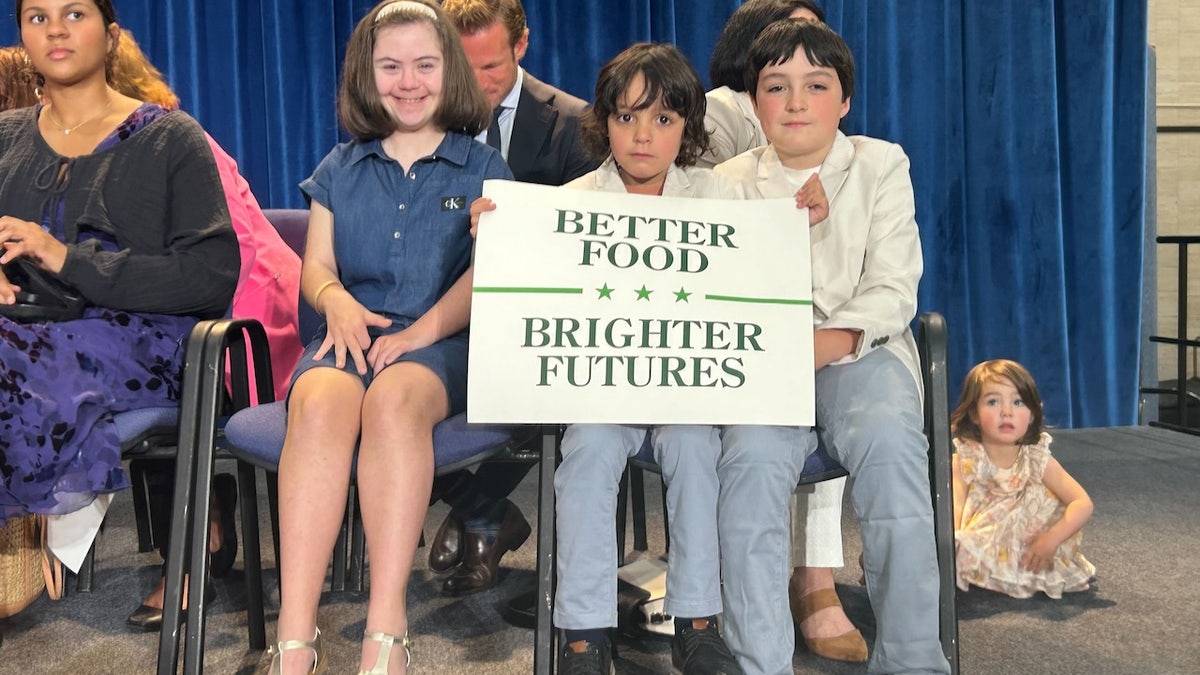
“I know who will win, because there is nothing more powerful than mothers protecting their children,” said one MAHA advocate. (Fox News Digital)
Werner-Gray added that “from a preventative health perspective, removing unnecessary additives is a simple way to reduce avoidable risks.”
She noted that injunction or not, the positive thing is that the conversation has changed.
CLICK HERE TO DOWNLOAD THE FOX NEWS APP
“Parents are wondering why ingredients linked to behavioral and neurological problems are still common in children’s diets, and this question won’t go away,” she said. “They want it gone, they want us to walk away with it, but we won’t.”
Vani Hari, better known as “Food Babe,” told Fox News Digital that “the justice system is going to see the power of the MAHA movement.”
“There is nothing more powerful than moms protecting their children.”
“I know who is going to win, because there is nothing more powerful than mothers protecting their children,” said Hari, who lives in North Carolina.
The case was brought by the International Association of Color Manufacturers, a K Street organization that claimed West Virginia’s bill caused economic harm to its member companies.
“The law arbitrarily and irrationally targets color additives, no U.S. agency — state or federal — no court has ever found it dangerous,” the IACM said in a statement announcing its lawsuit, adding that the ban also lacked “scientific evidence.”
CLICK HERE TO SUBSCRIBE TO OUR LIFESTYLE NEWSLETTER
The West Virginia governor, for his part, said the Obama-appointed judge’s decision was legally wrong. Morrisey said he believed the decision would be overturned.
California, Virginia, Utah and Arizona have sought to enact similar bans, primarily focused on children’s school meals.
CLICK HERE FOR MORE LIFESTYLE STORIES
Alec Schemmel and Charles Creitz of Fox News Digital contributed reporting.