Animals dying in Kenya as drought conditions leave many hungry

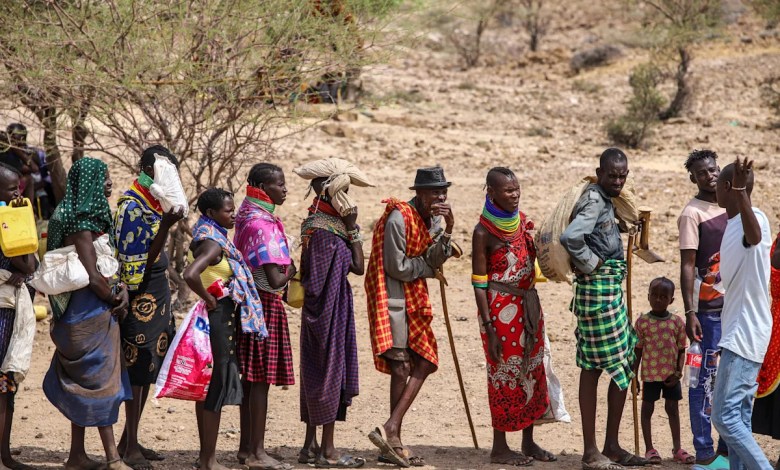
KAMPALA, Uganda (AP) — Drought conditions have left more than 2 million people facing hunger in parts of Kenya, with cattle-herding communities in the northeast hardest hit, according to the United Nations and others.
In recent weeks, images of emaciated livestock in the arid zone near the Somali border have shocked many people in a region reeling from the effects of climate change.
In recent years, rainy seasons have become shorter for some communities, exposing them to drought. Normally, animals are the first to die.
The livestock losses echo what happened between 2020 and 2023, when millions of animals died in the region stretching from Kenya to parts of Ethiopia and Somalia. At the time, the predicted famine in Somalia had been averted thanks to an increase in international aid.
Four consecutive wet seasons have failed in parts of the Horn of Africa, which juts into the Indian Ocean.
The rainy season, from October to December, was one of the driest on record, according to the United Nations health agency. Due to the short duration of rains, parts of eastern Kenya were the driest since 1981.
About ten counties in Kenya are experiencing drought conditions, according to the National Drought Management Authority.
Mandera County, in the north-east of the country, bordering Somalia, has reached the “alarm” category, meaning that severe water shortages have led to the death of livestock and the wasting of children.
Suffering extends to Somalia, Tanzania and even Uganda, where many are threatened by similar weather conditions and water shortages, the World Health Organization said in late January.
In southern Somalia, an assessment by the Islamic aid group Relief found “shocking food shortages as families flee the region’s worsening drought.”
In Somalia, long vulnerable to drought, more than 3 million people have left their homes to seek refuge in camps for displaced people.
But the support is not enough, as 70% of Baidoa town’s internally displaced people survive on one meal a day or less, Islamic Relief said in a statement, adding that children in the camps “show visible signs of malnutrition and emaciation.”
Experts say much of what is happening is due to climate change.
The Indian Ocean has warmed, fueling some of the most destructive tropical storms in recent years. At the same time, drought conditions have become longer, more intense and more severe.
All of this is devastating for Africans whose economic mainstay is rain-fed agriculture, making them vulnerable to extreme weather conditions. Many farmers say rising temperatures are depriving livestock of grazing and destroying their crops.
Africa is particularly vulnerable to extreme weather events because it is less equipped to prepare for natural disasters. Although it contributes only 3 to 4% of global emissions, according to the UN, the continent is one of the most exposed to the effects of climate change.


