Apple’s low-cost MacBook may skip some features you won’t miss


Apple will make a special announcement next week, and rumors strongly suggest we’ll see a new low-end MacBook slotted below the MacBook Air. While it’s already taken for granted that this new MacBook will feature the iPhone A18 Pro chip, questions arise as to what else Apple will remove to make this laptop more affordable.
Thanks to Apple’s inside information, we can now get an idea of what customers will be missing out on if they choose the new low-end MacBook.
A Closer Look at What’s Missing
Based on internal files accidentally leaked by Apple last year and seen by Macworld, some key features could be left out in the new MacBook. These files come from an internal macOS kernel and include drivers and hardware specifications for unreleased devices.
For example, the hardware spec sheet for the new low-end MacBook suggests that it won’t support high-impedance headphones, because it uses the same audio DAC as the M1 MacBook Air.

The low-cost MacBook appears to use some internal parts last seen in the M1 MacBook Air.
Foundry
High impedance headphones provide better sound quality and less distortion, which is ideal for audiophiles and professionals. Apple introduced support for this technology on Macs with the M2 chip and later, but apparently the company decided to use a cheaper audio DAC for its cheaper MacBook.
It also appears that this new MacBook will have a less premium screen. The files make no mention of the driver required by the True Tone sensor, which adjusts the display temperature based on ambient light. Instead, this Mac relies on the old sensor that only adjusts the screen’s brightness level based on ambient light. It was first introduced on the iPad in 2016 and has since appeared on almost every Apple screen.
Another thing missing from the files for the new, cheaper MacBook is the “AppleHighVoltageCharger” driver, which essentially allows support for more powerful chargers for faster charging. This means that the low-end MacBook will likely take longer to charge than newer MacBooks.
Fast charging support on Apple laptops also comes with the M2 MacBooks, so this is another similarity the low-end MacBook will have with the M1 MacBook Air.
As for wireless connectivity, the new MacBook is expected to have the same Wi-Fi chip as the iPad A16, which supports Wi-Fi 6, while the current MacBook Air M4 supports the faster Wi-Fi 6E standard. Customers can also expect standard USB-C rather than Thunderbolt.
One more thing: the new MacBook might not have a backlit keyboard, one of the key features of all MacBooks for many years. While this may disappoint some users, it’s worth remembering that the old plastic MacBook also didn’t have a backlit keyboard, nor did the non-Pro Magic Keyboard for iPad. However, this Mac will likely retain Touch ID for simple and secure authentication.
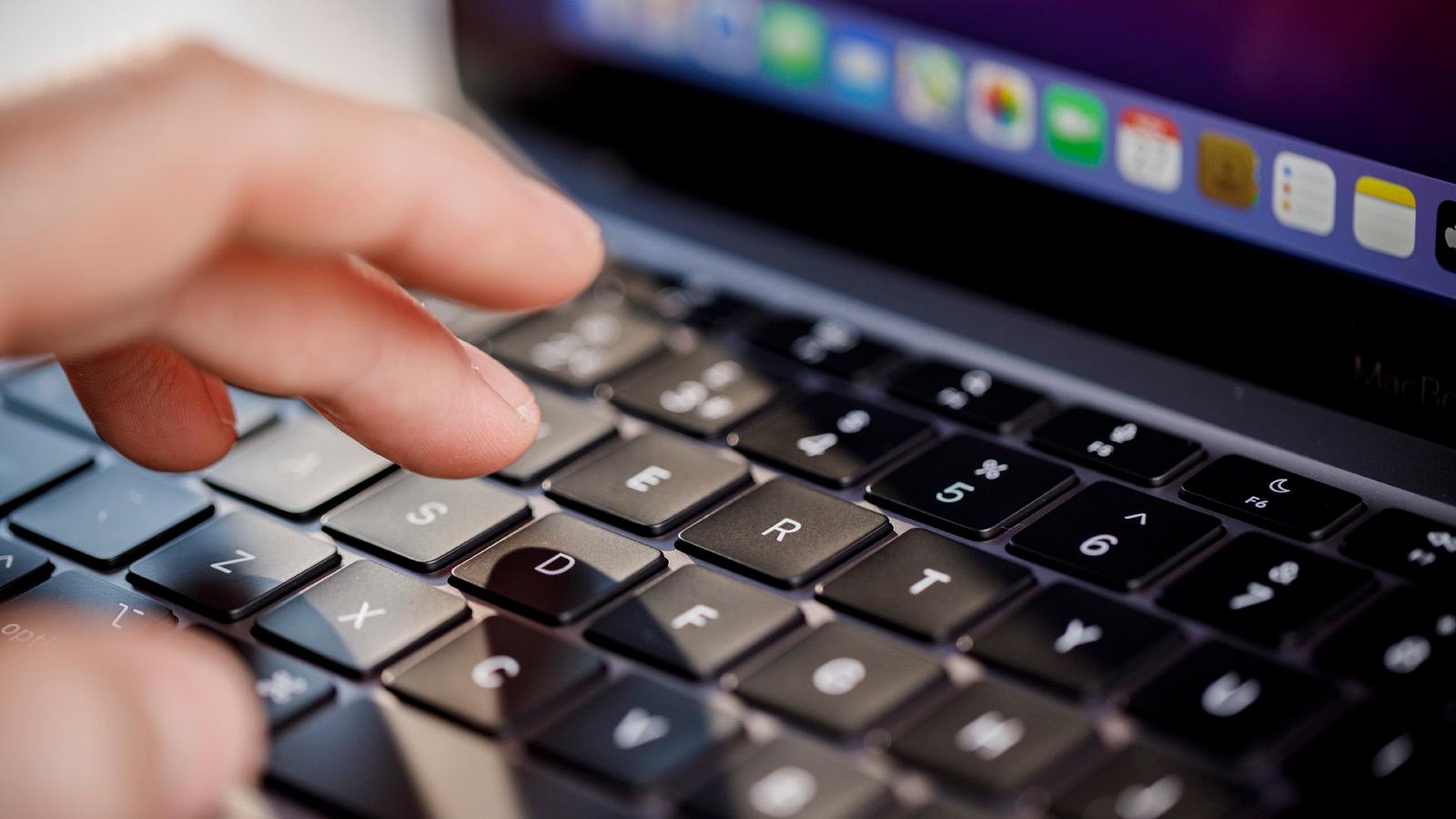
The cheap MacBook may not have a backlit keyboard.
Foundry
Too bad but not a dealbreaker
While the list of missing features may seem alarming, the reality is that most of these compromises are unlikely to be a deal-breaker for the target audience.
This isn’t a MacBook aimed at audio engineers with studio headphones or creative professionals who rely on color-accurate displays and high-speed external storage. It’s designed for students, new Mac buyers, and everyday users who primarily browse the web, write documents, and stream media.
For these users, this low-end MacBook will offer more than enough power to run everyday tasks, as well as a high-resolution screen and wireless connectivity that’s still fast enough for browsing and streaming.
For buyers who need these high-end capabilities, the MacBook Air remains in the range. For everyone else, the new low-end MacBook could represent a more accessible entry into the Mac ecosystem.


