Artemis II simulated launch window opens tonight as NASA delays mission due to ‘rare Arctic outbreak’


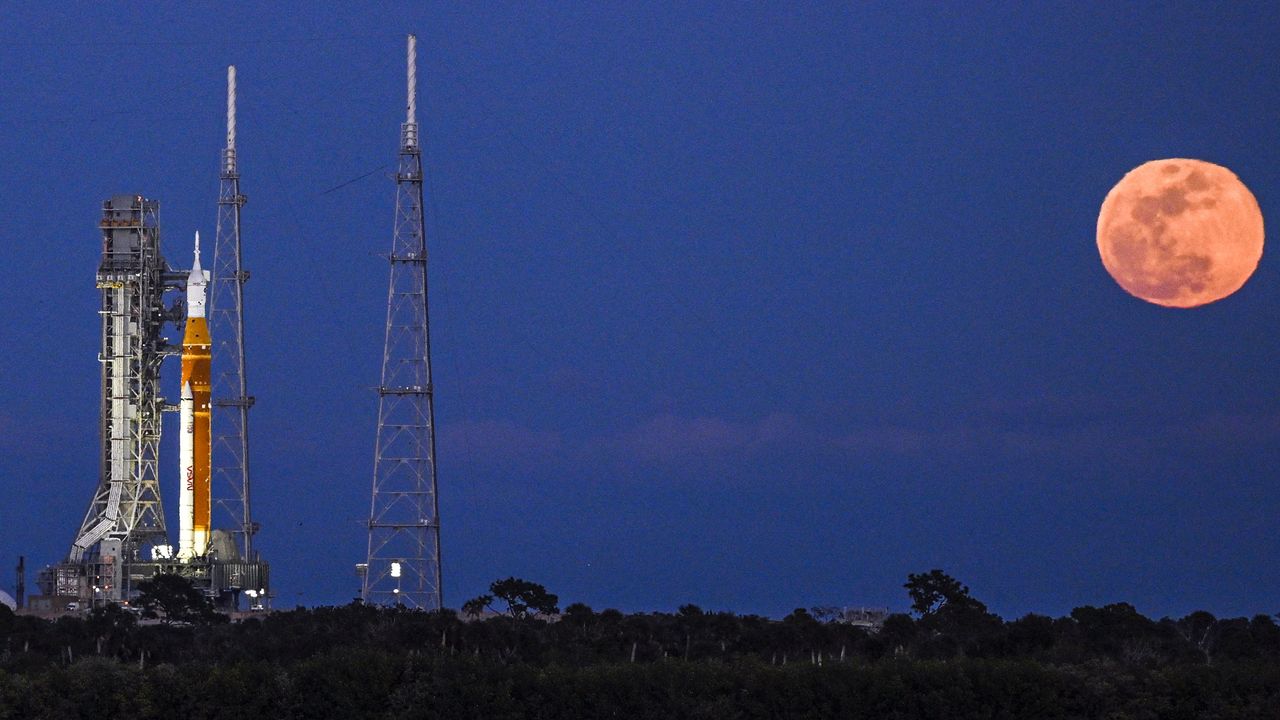
NASA is preparing for a simulated launch of the mega-lunar rocket Artemis II this evening, after cold weather pushed the mission’s first potential liftoff to the end of the week.
Artemis II and its crew of four will now leave Earth for the Moon as early as Sunday (February 8), two days later than the previous first window, according to a report. statement published by NASA.
“Over the past several days, engineers have closely monitored conditions as cold weather and winds moved across Florida,” a NASA spokesperson wrote in the statement. “Managers assessed material capabilities against projected expectations given the rare Arctic outbreak affecting the state and decided to modify the schedule.”
NASA must go through a simulated launch before the space agency can carry out a real launch. The simulated launch is part of a “wet dress rehearsal,” during which engineers test fueling the Artemis II rocket. This was originally scheduled for January 31, but NASA is now aiming for Monday (February 2), with the simulated launch window starting at 9 p.m. ET. The space agency said the test is expected to continue until around 1 a.m. ET (Feb. 3).
Any date NASA targets for a test or launch is subject to change. The delicate nature of space travel means delays are often part of the process. We can therefore expect NASA to postpone the first launch window again if weather conditions are not favorable or technical problems arise. The potential launch windows for Artemis II extend no later than April 2026.
The Artemis program is no stranger to delays. Artemis I returned to NASA’s Vehicle Assembly Building twice in 2022 following problems during wet dress rehearsals. The unmanned rocket finally took off during NASA’s fourth launch attempt in November 2022. Artemis II has already been delayed several times, in part so mission engineers can better understand the problems that arose during Artemis I.
The upcoming Artemis II mission is the first time in more than 50 years that NASA has sent humans to the Moon, and the first time a woman will be part of the crew. The mission’s Orion spacecraft will circle the Moon on a 10-day flight, testing systems ahead of the Artemis III lunar surface mission, planned for 2028.
NASA deployed the Artemis II space launch system (SLS) and the Orion spacecraft on January 17. With a central floor 212 feet high (65 meters) and a total height of 322 feet (98 m) with the Orion crew capsule at the top, the structure is taller than the Statue of Liberty.
Engineers kept Orion powered on with its heaters running in cold weather, according to NASA. The space agency previously said its engineers fixed the problems before launch. For example, they worked on leaking ground support equipment needed to supply Orion with oxygen.
Once Artemis II completes the wet dress rehearsal and simulated launch phase, NASA will conduct a flight readiness review before committing to a launch date.
NASA plans to send three of its astronauts to Artemis II: Commander Reid Wisemanpilot Victor Glover and mission specialist Christine Kochwith the astronaut and mission specialist from the Canadian Space Agency Jeremy Hansen.
The crew has been in quarantine in Houston since January 23. Astronauts quarantine themselves before a launch so as not to contract an illness that could delay their mission. NASA plans to send the crew to Florida about six days before launch. However, in the statement announcing the delay, NASA said its officials were “evaluating the timing” of the crew’s arrival.
NASA hopes the Artemis program will lead to a lasting presence on the Moon and serve as a springboard for sending humans to the Moon. March.


