As Federal Support Wanes, States Must Reinvest in Higher Education


Company
/ /
Student
/ /
August 18, 2025
Our education system faces an affordability and access crisis only amplified by the adoption of the Great, Magnificent Bill and Trump of Trump. States must intensify.
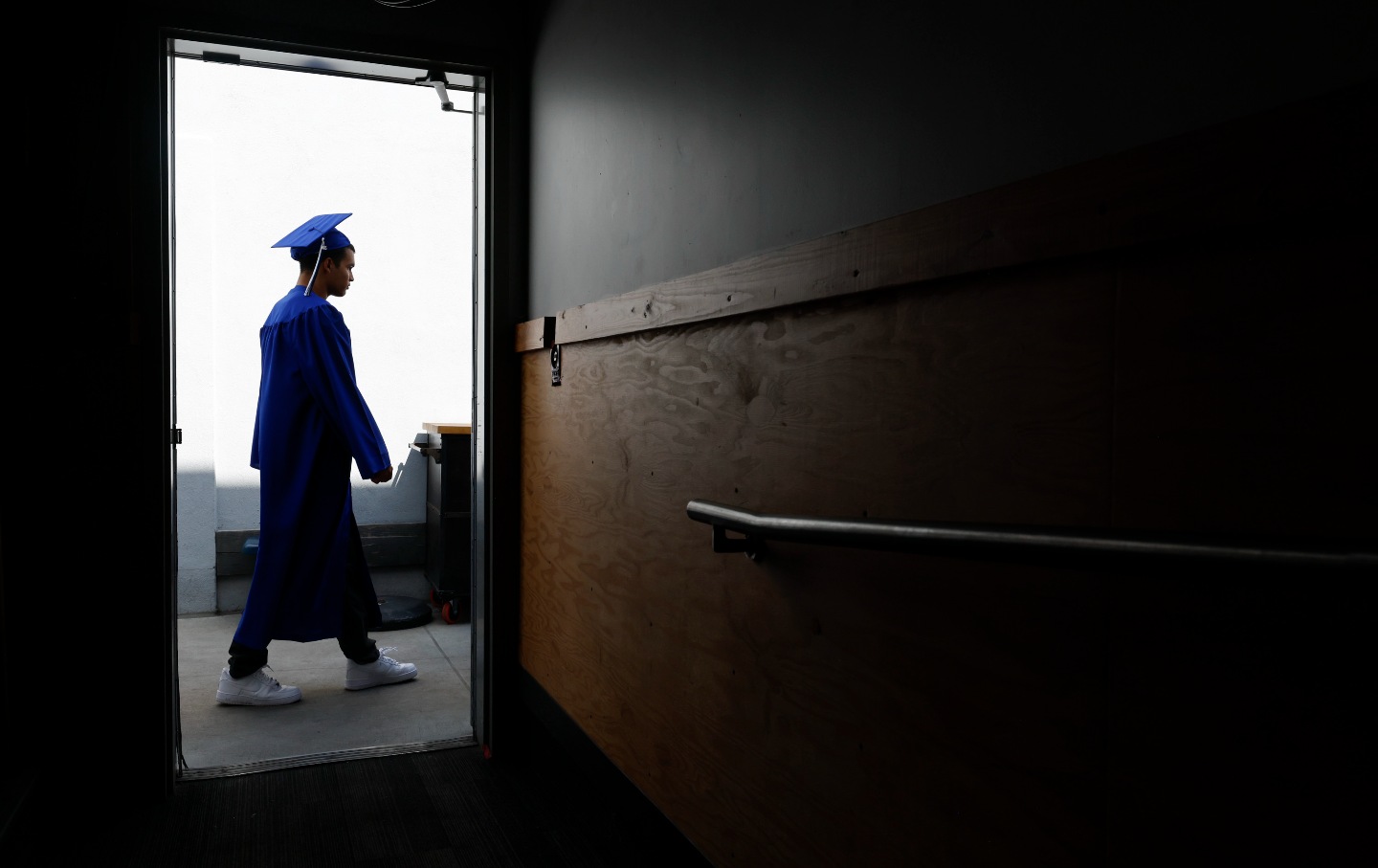
A student heads for the entry of his graduation ceremony in Los Angeles, California.
(CARLIN STIEHL / GETTY)
In May, I joined more than a million Americans to cross the graduation phase – 150 years after John Houston Burrus did the same.
Burrus was one of the first African-American students to obtain a graduate college in this country due to the Morrill Land-Act Act of 1862. Approved by President Abraham Lincoln, the law has expanded access to higher education by funding and establishing public colleges and universities. He has paved the way for many institutions that still shape our country today, including the University of California system.
However, the promise of public higher education is confronted with a crisis of affordability and access, amplified by the recent adoption of the great, a good bill and attempts to reduce the Trump administration to programs such as acquiring early awareness and preparing for undergraduate programs, which threatens even more the shortcomings of opportunities. While federal support sparkles, states must intervene and take the lead in reinvestment in public institutions.
As a first generation student, I didn’t really hit my stride before registering in a public university. I grew up in a postal code where less than a third of residents have a university degree. Research shows that, in general, socioeconomic mobility is more influenced by residential location than by almost all other factors.
It was only in college that I came into contact with educators and mentors who saw my potential and supported my growth. I got involved in campus groups where we discussed the real objective of higher education, beyond being a fashionable word, and I learned the important distinction between a job and a career. Without access to affordable public higher education, I would not have had access to this type of advice and opportunities.
The opportunities I received dates back to the Lincoln Morrill Act, which has established a powerful partnership between federal governments and states. The first provided the land, while the latter built the institutions by providing the capital necessary to develop and maintain these colleges.
Current number

Unfortunately, in our current time, federal support is narrowed even in tuition fees and debt of students. Rural and community colleges, often vital community centers, are subsidized and neglected. Community colleges receive $ 8,800 less per student than four -year establishments, according to an analysis in 2020 of the Center for American Progress. A study by the National Education Association revealed that 32 states spent nearly $ 1,500 less per student in public colleges and universities in 2020 in 2008. This disinvestment disproportionately injured students of subressource communities, including mine, many of which were based on public establishments as the only viable path to higher education.
But as the dream of fair public education is subject to greater assault, states have the power to push and reverse the trend. Programs such as the promised Tennessee program and the New York tuition fees and solid public systems such as New York State University and the City of New York University show that state investments can produce significant yields. The search for the Rockefeller Institute of Government shows that each dollar invested in Suny generates $ 8.67 in economic returns.
Most Pell subsidies are already going to students who attend public establishments. When states strengthen these institutions, they maximize the impact of federal aid and provide living lines to low -income, first generation and working class students. In other words, state investment in higher education is not only a moral imperative, it is an intelligent economic strategy.
Some may say that the displacement of the United States responsibility may expand inequalities between richer and poorer states. But the solution is not to withdraw; It is a question of investing more, in particular in communities faced with the greatest barriers.
The Mississippi, for example, has trouble with two-digit poverty rates and underperformative schools. He receives the country’s highest PELL Stock Exchange, but his assistance subsidy for state tuition fees offers a minimum of rescue. Without action of the targeted state, the situation will only become more disastrous. Although the state’s federal collaboration remains ideal, today’s political climate requires that states act now.
While I was turning my glans when graduation, my gaze swept first generation students, single parents and classmates of the working class next to me. Our stories are linked to the actions of the leaders and Changakers that preceded us. Burrus, after graduating from the Fisk University, became a leading voice demanding equal funding for schools in the service of marginalized communities. His plea that each child deserves the same quality of education remains unanswered more than a century later.
To continue what these two historic figures have started, states must act to reduce costs, develop access and restore public investments. This is how we honor the heritage of Burrus and realize Lincoln’s vision of public higher education for all.
At this time of crisis, we need a unified and progressive opposition to Donald Trump.
We are starting to see a form in the streets and in the ballot boxes across the country: from the campaign of the candidate for the town hall of New York, Zohran Mamdani, affordable, to communities protecting their neighbors from ice, to senators opposed to arms expeditions to Israel.
The Democratic Party has an urgent choice to make: will he embrace a policy that is based on principles and popular, or will it continue to insist on losing elections with the elites and the outside contact consultants that brought us here?
HAS The nationWe know which side we are on. Each day, we assert a more democratic and equal world by defending progressive leaders, lifting movements fighting for justice and by exposing oligarchs and societies benefiting at the expense of all of us. Our independent journalism informs and empowers progressives across the country and helps to bring this policy to new readers ready to join the fight.
We need your help to continue this work. Are you going to make a donation to support The nationIndependent journalism? Each contribution goes to our reports, our award -winning analyzes and comments.
Thank you for helping us face Trump and building the right company we know is possible.
Sincerely,
Bhaskar Sunkara
President, The nation
More than The nation

Trump and his supporters don’t just want to stop progress. They want to go back.
Column
/ /
Chris Lehmann
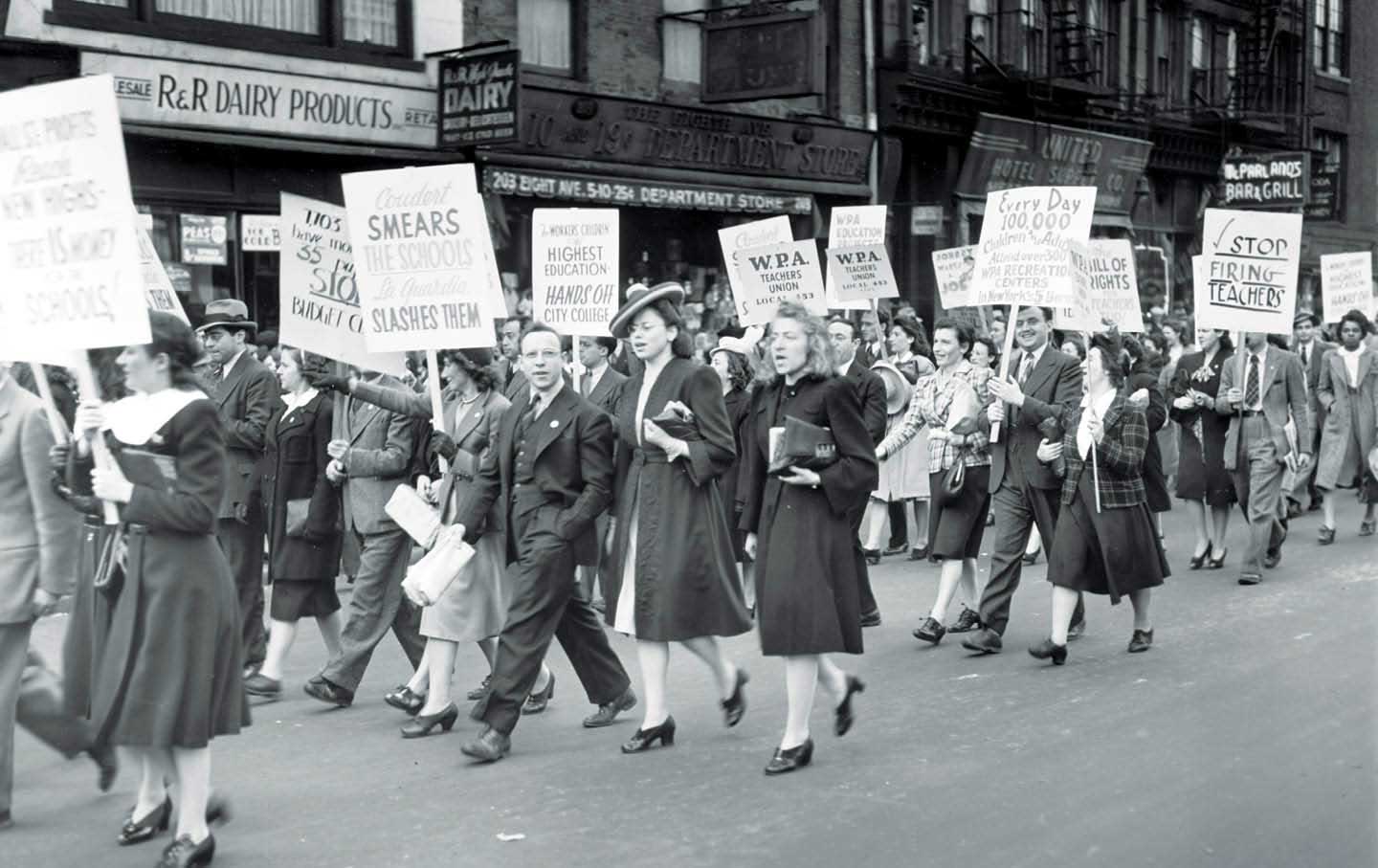
Thinking about his career for several decades, the historian examines what his field of studies owes to the public.
Functionality
/ /
Eric Foner

These patients needed long -term care. Instead, hospitals have pushed for them to be expelled. ”
Functionality
/ /
Liset Cruz

We need justice for the survivors of his predations, and we must restore public confidence in our institutions.
Rep. Ro Khanna


