Atlanta’s public grocery store could serve as model for other cities


NEWYou can now listen to Fox News articles!
It remains to be seen whether Atlanta’s municipal grocery store will become a model or a warning. But as cities across the country grapple with rising food prices and limited access to affordable groceries, the project is testing how far local governments can go to bridge the gap.
Azalea Fresh Market opened on August 28 inside the historic Olympia Building in downtown Atlanta. It is the city’s first government-run grocery store, offering fresh, locally made foods rather than packaged or ready-to-eat items.
While city officials say a focus on fresh, affordable food is especially crucial in the neighborhood they serve, critics warn that government-subsidized stores could hurt small, private grocers, distort food prices, harm consumer choice and ultimately weaken competition.
BUY NOW, PAY LATER USE FOR GROCERY NEARLY DOUBLE AS CONSUMERS STRUGGLE WITH FOOD COSTS
The downtown grocery store is located in an area that the Department of Agriculture classifies as both low-income and low-access, meaning many residents live far from full-service grocery stores. The store, open daily from 7 a.m. to 10 p.m., is also expected to open two restaurants.
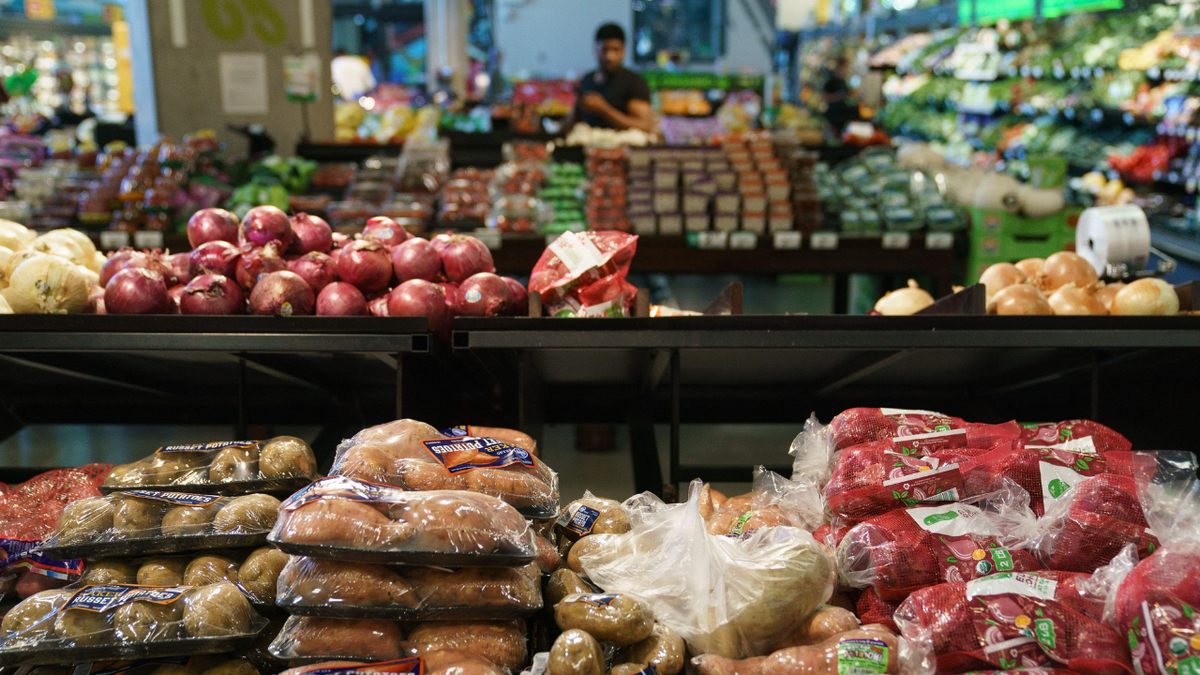
Food prices across the country are rising due to several factors, including labor shortages and tariffs. (Élie Nouvelage/AFP/Getty Images)
“Azalea Fresh Market is proof that when we work together as a city, we can deliver real solutions that change lives,” Atlanta Mayor Andre Dickens told Fox News Digital. In less than two months, the store has served more than 20,000 customers, proof, he says, of the extent of the need in a neighborhood “long underserved by grocers.”
“In the first month, fresh produce accounted for 11.6% of total sales, surpassing the national average of 10% and highlighting community demand for healthier food options,” Dickens said.
“What started as an innovative idea to combat food deserts is now a thriving grocery store that serves hundreds of residents with healthy food every day,” he added.
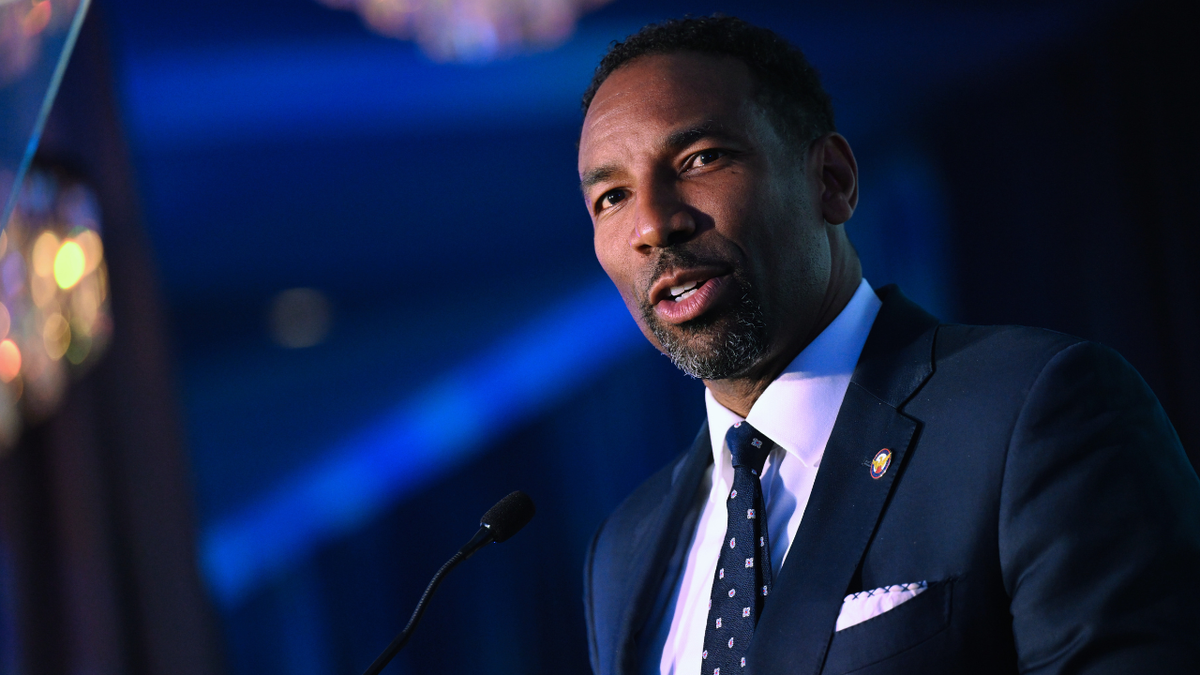
Atlanta Mayor Andre Dickens said Azalea Fresh Market has served more than 20,000 shoppers since its Aug. 28 opening. (By Griffin/Getty Images)
The first success in Atlanta comes as similar ideas gain momentum elsewhere, notably in New York, where Democratic mayoral candidate Zohran Mamdani defended city-owned grocery stores as part of his controversial election platform.
Mamdani, a 33-year-old democratic socialist, has made affordability central to his agenda to lead the United States’ largest city. He campaigned for free buses, rent freezes for tenants of rent-stabilized apartments and city-owned grocery stores.
The three-term Assemblyman said city-run grocery stores would not only tackle rising food prices, but also food deserts.
MAMDANI DEFENDS CITY-RUN GROCERY PLAN, SAYS STORE OWNERS CAN BE “PARTNERS”
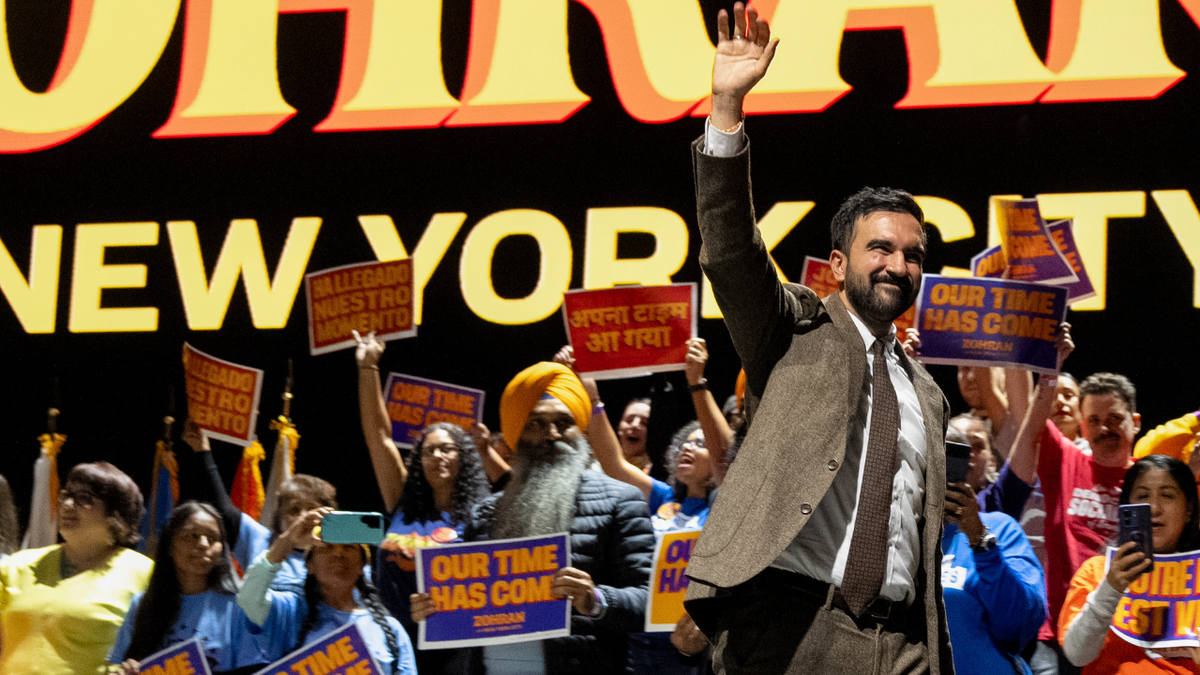
New York City mayoral candidate Zohran Mamdani has put affordability at the center of his campaign to lead the United States’ largest city. (Christian Monterrosa/Bloomberg/Getty Images)
Mamdani, whose district includes the Queensbridge Houses, the largest public housing project in North America, says residents have long had low-cost grocery options.
Some of Mamdani’s harshest criticism, however, comes from Wall Street titans, who argue that his proposals threaten the city’s financial backbone. The impasse reflects a broader struggle for New York City’s identity, between reform-seeking progressives and the financial forces that have long shaped it.
TREASURE BESSENT WARNS NYC: NO RESCUE UNDER MAMDANI – ‘DROP DEAD’
Mamdani has previously said that affordable groceries are “a non-negotiable” for New Yorkers. (Thomas Trutschel/Photo Library/Getty Images)
Beyond Wall Street, critics say the economic data doesn’t hold up, warning that government-run grocery stores could ultimately harm the very communities they aim to help.
“The affordability and cost of food are valid pressure points for Americans. It’s absolutely true that prices are too high, but opening government-owned and operated grocery stores will have disastrous consequences not only for consumers but also for local competition,” said Nicole Huyer, senior research associate at the Heritage Foundation’s Thomas A. Roe Institute for Economic Policy Studies.
CLICK HERE TO DOWNLOAD THE FOX NEWS APP
Huyer said taxpayers would ultimately bear the cost of artificially low prices, while small businesses would struggle to compete. She cited failed government stores in Erie, Kansas, and Baldwin, Florida, as telling examples.
For now, Atlanta’s grocery experience remains a test case, closely followed by cities like New York and, more recently, Boston.


