Warning links raw milk to bird flu


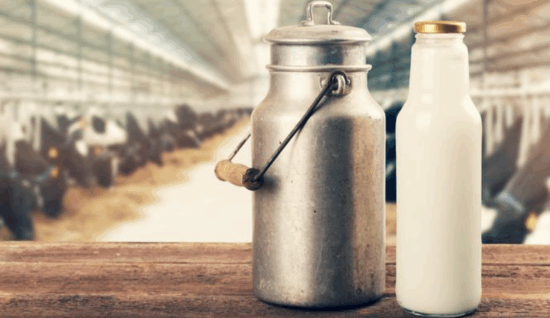
The CDC warns that the consumption of raw milk can cause human infections of the bird flu virus.
In a research report published on September 8, Centers for Disease Control and Prevention described the risks of the H5N1 virus in non -pasteurized dairy products. The report indicates that the risk is low, but must be taken into account, especially for children, the elderly and people with immune systems.
Over the past two years, human diseases of the bird flu virus have been reported worldwide, including in the United States, with at least one death recorded in the United States.
In the United States, the majority of patients worked in dairy and poultry industries, but there have been diseases from unexplained sources, some patients who reported to drink raw milk before becoming sick. In December 2024, the raw farm in California had to recall raw milk because it was contaminated by the bird flu virus.
In addition to human diseases in the United States, there have been many cases of dogs and cats, as well as herds of hindcudlic poultry and wild mammals, infected with the virus. Some cats died from the virus after drinking raw milk or eating raw foods. There were two food reminders for pets raw because the food turned out to be contaminated by the bird flu virus.
Although the CDC indicated that there had been no confirmed human deaths of the virus definitively linked to the consumption of non -pasteurized dairy products, the agency claims that there is an increased risk of infection between people who consume raw dairy products because the pasteurization process kills pathogens such as bacteria and viruses.
The CDC also urged people to cook poultry, eggs and beef at the appropriate internal temperature to kill bacteria and viruses, including avian flu viruses.
In related developments, an international group of multisectoral experts in poultry, public health, science and policies meets for the first time this week in Brazil to respond to the climbing of the threat of avian influenza for animal health, human health and livelihoods, said the organization of United Nations food and agriculture today. The group called the unprecedented answer.
Aviary flu is now a global challenge, not a sporadic threat, Beth Bechdol, Deputy Director General of FAO, said in a statement: “No country or sector can attack this threat in isolation – and failure is not an option. A practical and public collaboration like this is essential to protect our agricultural systems, our livelihoods and our public health. ”
The FAO said that the three-day meeting objective was to identify effective prevention and control studies, especially in low-income and backyard environments, as well as the promotion of early alert systems, effective vaccination strategies and biosecurity measures.
(To register for a free subscription to Food Safety News, click here)


