Best superbloom since 2016 fills Death Valley with wildflowers


The driest place on Earth could soon be flooded with wildflowers. Death Valley National Park in California is expected to have its best blooming year since 2016. According to the National Park Service, many of their sprouts haven’t even bloomed yet, so their fleeting beauty is just beginning.
Currently, the bright yellow gold of the desert (Managed Canescens)is one of the most important flowers, with others also blooming. As far as timing goes, the lower elevation flowers will likely persist until mid-March. Flowers at higher elevations will likely bloom from April to June. Bloom locations are updated on the National Park Service website.
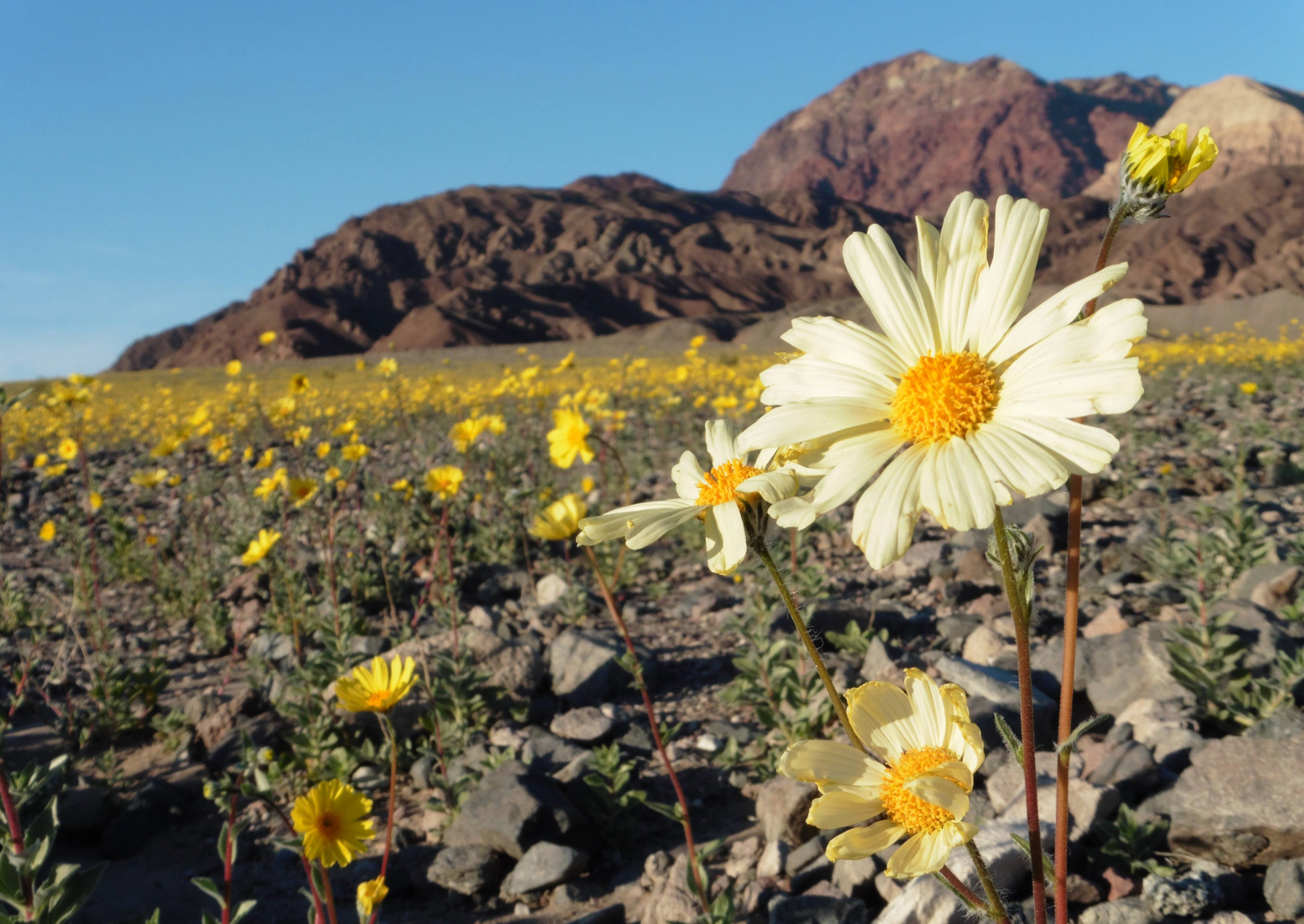
What is a superbloom?
Despite recording some of the hottest temperatures on the planet, Death Valley will occasionally have wildflower displays in the spring. However, these are the exception and not the rule, and conditions must be perfect for the flowers to cover the desert. Superblooms tend to occur once a decade. The most recent superbloom years were 2016, 2005 and 1998. Although some years have fewer flowers, flowers are never completely absent.
At least three main ingredients must be present for a good wildflower year. Precipitation in fall, winter and spring must be well spaced, temperatures must be warm enough and the wind must be just right.
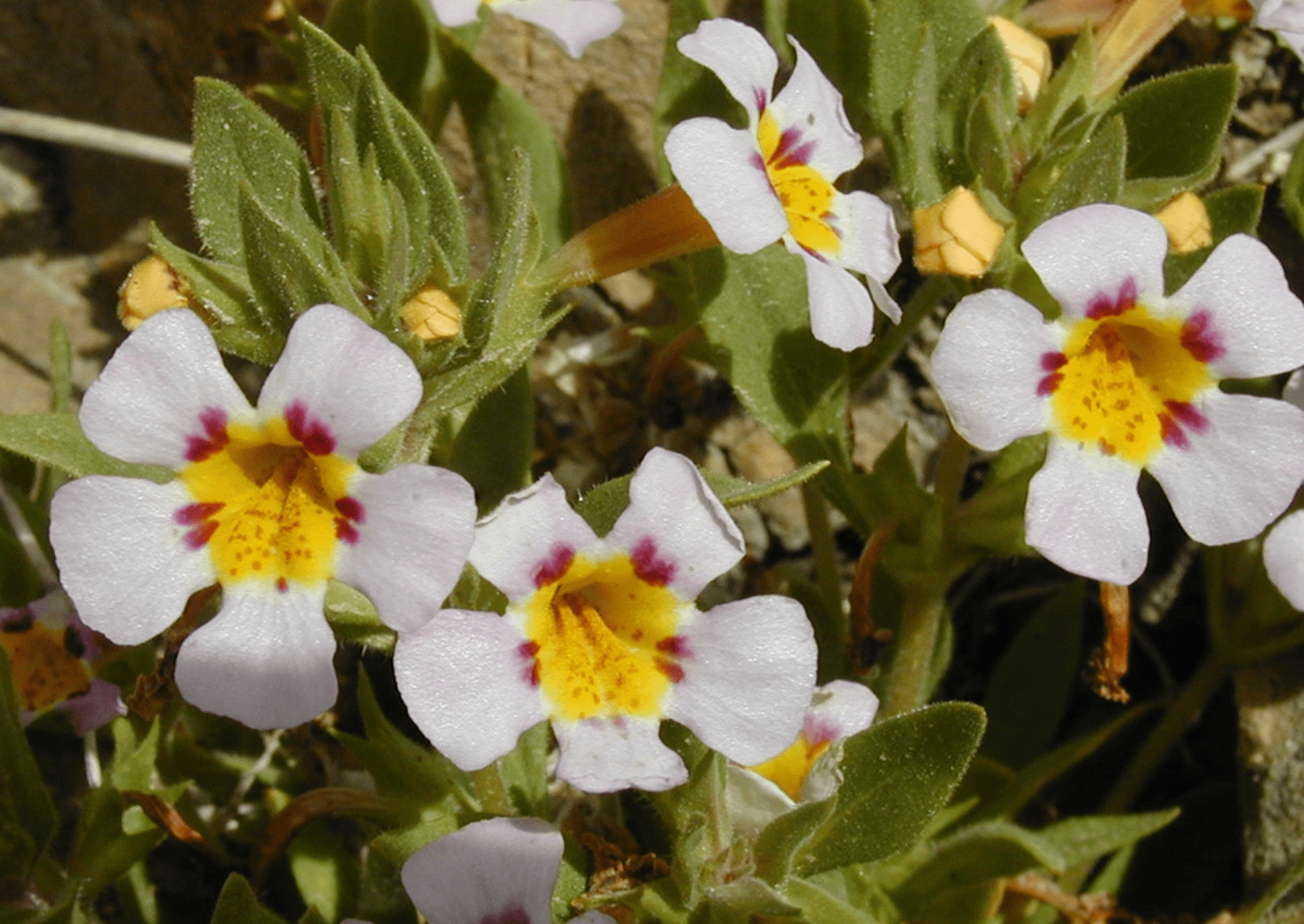
Ingredient #1: Rain
For a flower show to thrive, gentle rain that penetrates directly into the ground is crucial. A rainstorm of half an inch or more will remove the protective covering from wildflower seeds, allowing them to germinate.
Subsequent torrential rains should then be spaced evenly throughout the winter and spring. Typically, the best blooms are triggered by an early winter rainstorm in September or October, followed by an El Niño event. This weather pattern brings above average precipitation to the desert southwest.
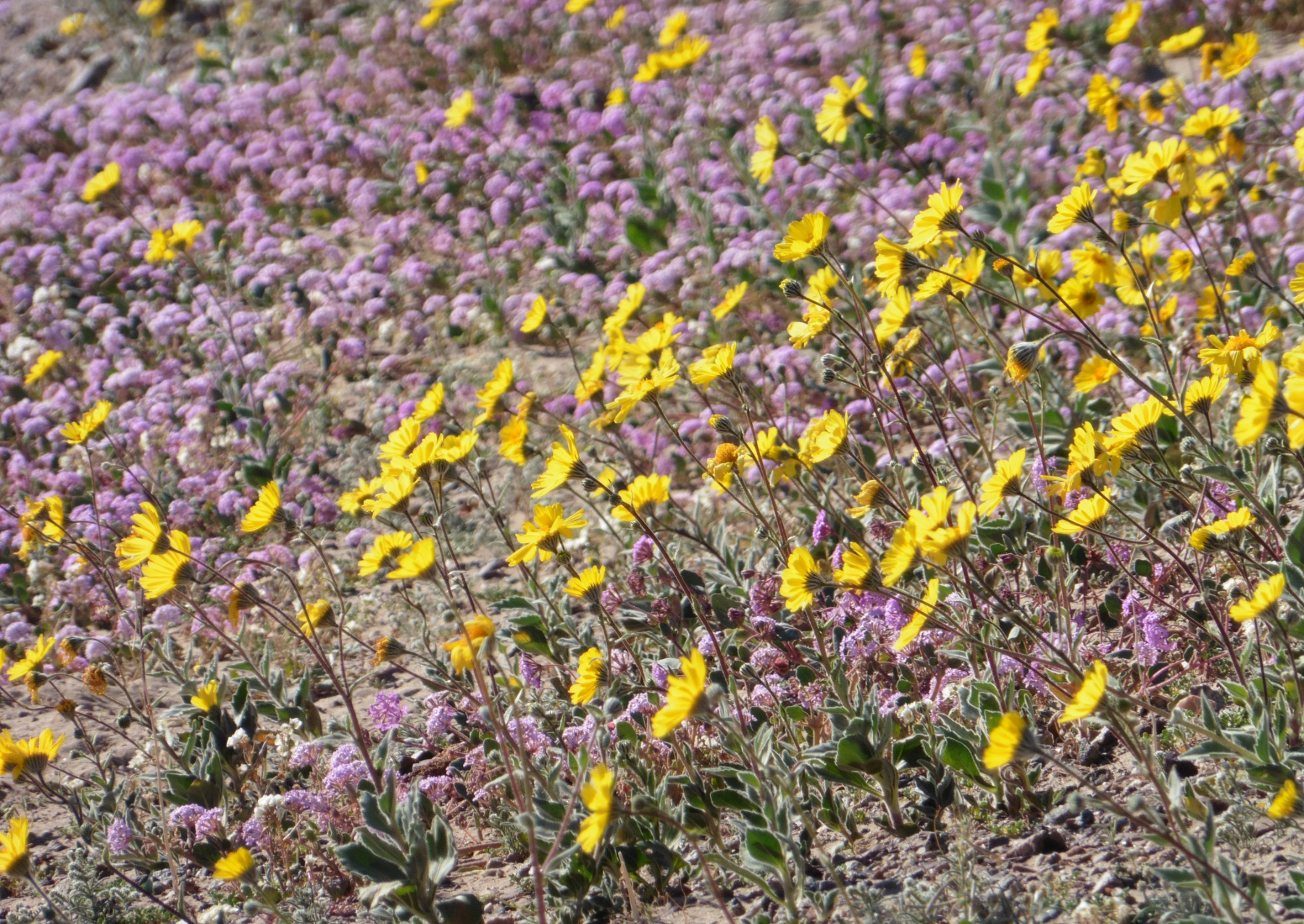
Ingredient #2: Temperature
In summer, Death Valley is basically inhospitable, with temperatures regularly exceeding 120 degrees Fahrenheit. But at other times of the year it will generally be more moderate.
Some wildflower seeds germinate during cool winter storms and often remain small and low to the ground. When the spring sun begins to warm the soil, things can get exciting underground. A strong root system develops beneath the surface, allowing flowers to take hold. Once the temperature begins to warm, the more established plants will grow and begin to flower.
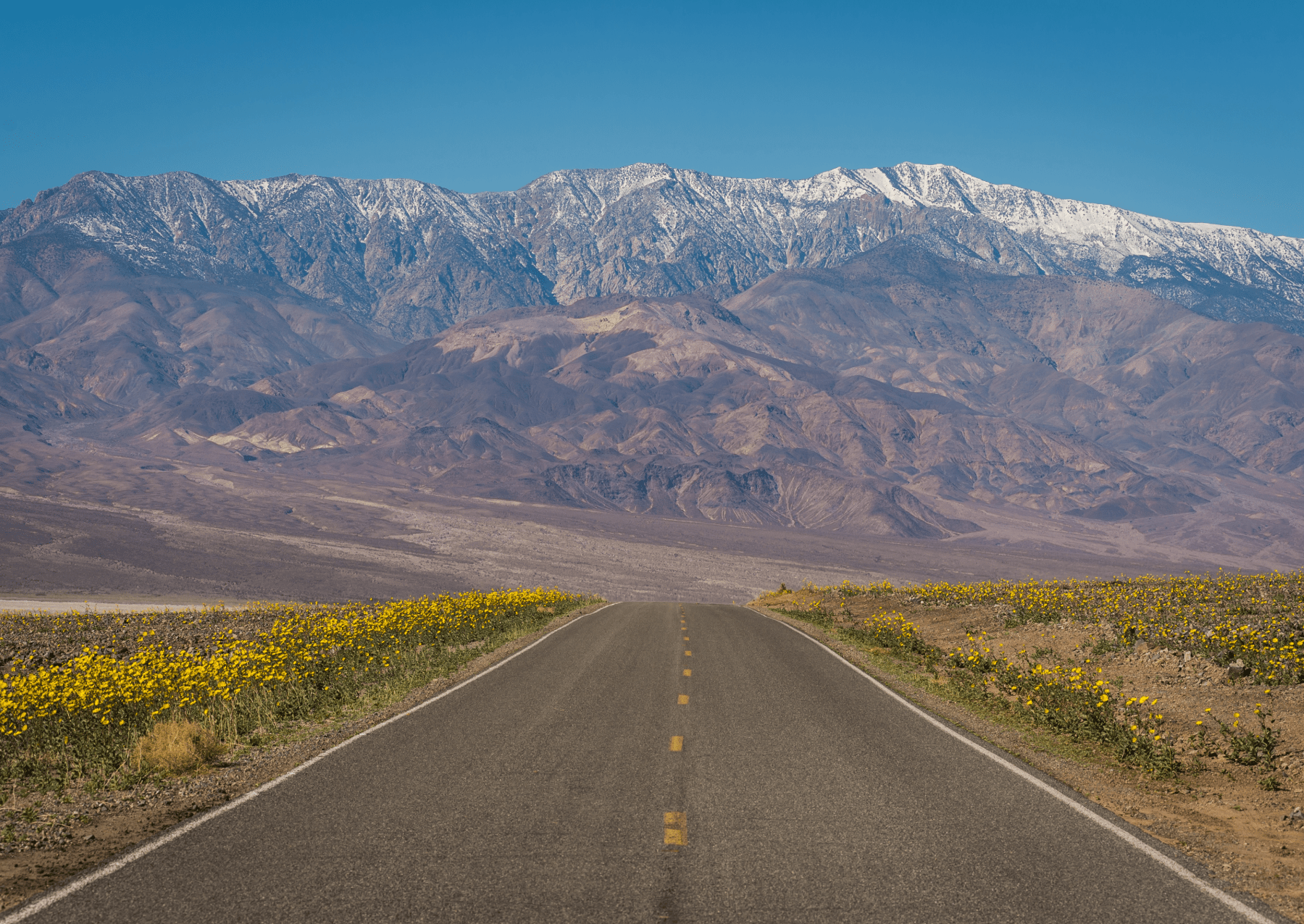
Ingredient #3: Wind
The wind is very delicate. If spring windstorms blow through without additional rain, a spring bloom can end very quickly or even prevent it from occurring. These winds can kill delicate growth because the dry, moving air dehydrates the exposed surfaces of all living things, including humans.
To help control their humidity levels and protect against wind, desert plants often have spiny, waxy, or hairy leaves. Wildflowers must grow and bloom before they dry out or before the warmth of late spring arrives, so they can disperse the seeds needed for the next generation of flowers.
Is it just hype?
While there’s no denying that wildflowers of all kinds are beautiful, in the age of social media, terms like “superbloom” can often take on a life of their own. More than 209,000 people visited Death Valley National Park during the 2016 superbloom, leading to traffic congestion and damage to the ecosystem. In 2019, a poppy bloom near the small Southern California town of Elsinore attracted hundreds of thousands of visitors and some bad behavior from influencers.
“Whether it achieves superbloom status is in the eye of the beholder,” Naomi Fraga, a botanist at the California Botanic Garden and associate professor at Claremont Graduate University, told SFGATE. “Personally, I wouldn’t classify it as a true superbloom just because it seems to be a bit localized and it’s not as widespread as what I’ve seen in previous years. The term Superbloom seems to convey a sort of hype, that I think people are expecting something of a supernatural quality.”
Whether it is truly a superbloom or not, good park behavior is essential to protecting the landscape. California State Parks launched a Don’t Doom the Bloom campaign, urging visitors not to pick the flowers, park only in designated spots, stay on designated trails and not walk on them.

The best new PopSci 2025 releases