This iPhone leak may be fake but it hides some very real truths


Back in 2017, when Apple unveiled the iPhone X, it wasn’t greeted with the unbridled adoration we have for it today. After fantastic rumors of a bezel-less phone with a wraparound design and a virtual home button, people were understandably initially disappointed by the notch, loss of Touch ID, and reliance on gesture navigation.
Now, almost 10 years later, Apple is reportedly working on another landmark phone, with a radical design that seems almost impossible to believe. Rumors about the so-called 20th anniversary iPhone paint a picture of a handset with curved edges, imperceptible bezels, an invisible selfie camera and an all-new design. It’s expected to arrive in 2027 after the iPhone Fold launches later this year.
By then, the rumors and excitement are sure to reach fever pitch. We’ll see wild renders, concepts, and descriptions that paint a picture of a phone that blows us away. But as with the iPhone X, we should probably temper those expectations a bit.
This is why this Schrödinger rumor about X might be the most true of all. He cites and posts a Telegram transcript with three Apple engineers supposedly working on the anniversary iPhone. Instead of announcing that it will have “piezoelectric ceramic” or a “waterfall” display, its report is actually quite sober, as the iPhone anniversary rumors say.
The first engineer, who reportedly works in display systems, claims that the anniversary phone is actually not a quad-curved display. Instead, it’s made of “curved quad glass with a flat screen underneath.” The second engineer from “Mechanical/ID” explains: “The OLED panel itself remains flat. The curvature is entirely in the protective glass.”
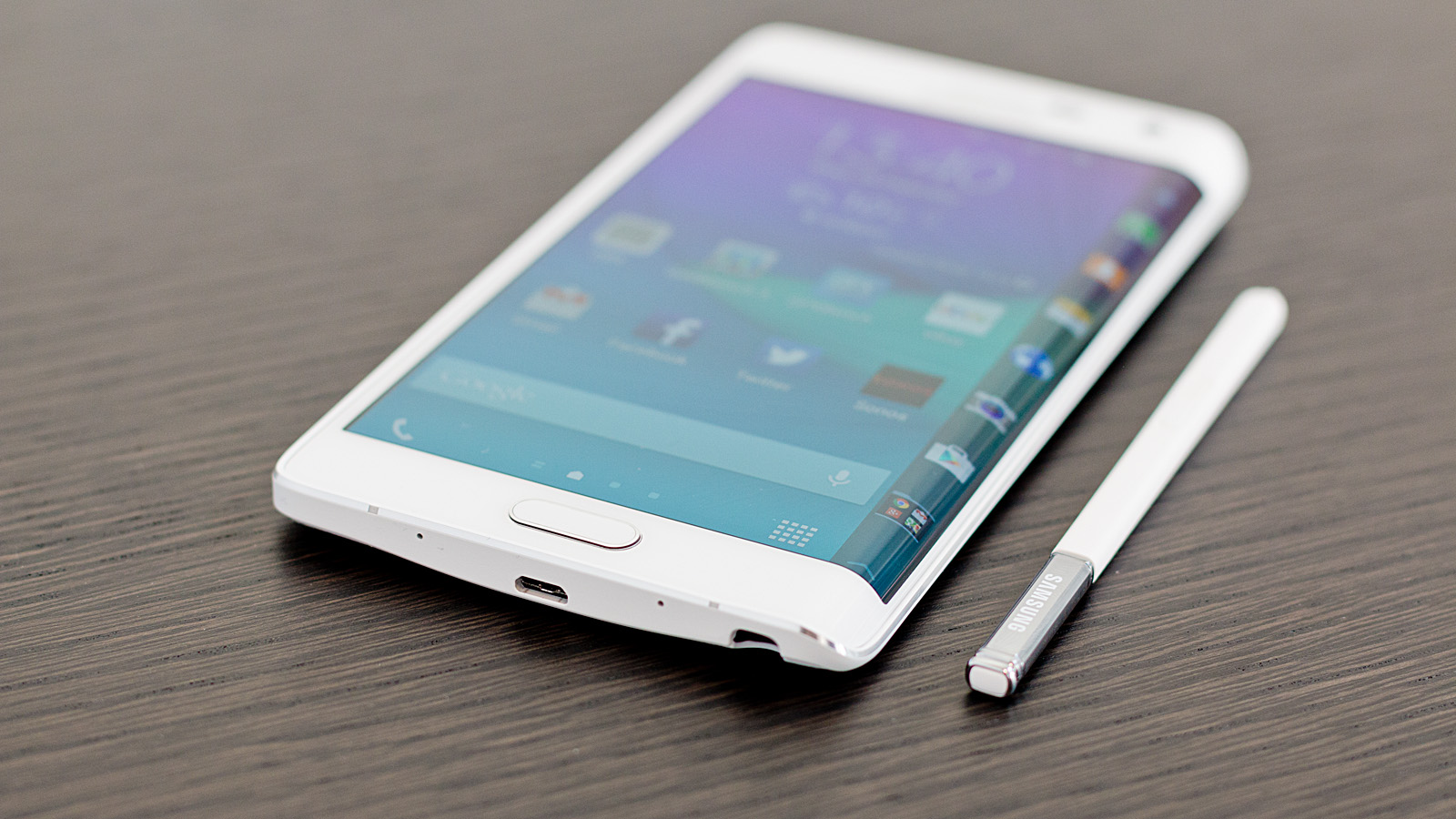
The 20th anniversary iPhone probably won’t have a curved screen like the Note Edge.
Foundry
The display engineer then explains that “Apple’s goal here is the illusion of an invisible frame. The quad-curved glass allows the glass to flow over the edge so components can rest underneath without harsh visual breaks.” The second engineer adds: “This is an optical and industrial design solution, not a change in display architecture. »
This means that the display technology won’t be truly innovative. Compared, for example, to the Galaxy Note Edge from 2014, or even the iPhone X, the iPhone 20 will be more of an illusion than an innovation.
Schrödinger also asks how the components under the display would be affected, to which the display engineer responds: “The glass needs to be slightly higher in the vertical stack. This extra height improves light transmission and diffusion for the camera under the display.” While a third engineer from the human interface/touch department adds: “Without this additional glass depth, UDC performance suffers loss of contrast, reflections and a significant increase in color distortion.” »
The human interface/touch department weighs in: “And it’s not just about aesthetics. The curvature of the glass also contributes to durability. Stress is distributed more evenly compared to flat, sharp edges, which reduces edge chipping.”
Whether this conversation is real or completely fabricated, the ideas presented make a lot of sense. According to this explanation, the iPhone 20 will not have a revolutionary screen without a wraparound frame; it will have a normal screen with wraparound glass that gives the illusion of a frameless screen. The quad-curved glass looks a lot more believable than some of the rumors we’ve heard. It would be a very Apple move to make the anniversary iPhone seem more revolutionary than it actually is.
As one of the engineers sums it up: “That’s the basic idea. It sounds radical, but technically it’s a very conservative and very Apple solution.”


