WWE NXT champ Jacy Jayne says she’s ready for main roster call-up


NEWYou can now listen to Fox News articles!
WWE NXT Women’s Champion Jacy Jayne may have had the brand’s best year.
She became a two-time women’s champion in one year, defeating Stephanie Vaquer and then regaining the championship from Tatum Paxley. Jayne’s current reign has lasted over 135 days as she heads to Stand & Deliver in a triple threat match against Kendal Gray and Lola Vice.
CLICK HERE FOR MORE SPORTS COVERAGE ON FOXNEWS.COM
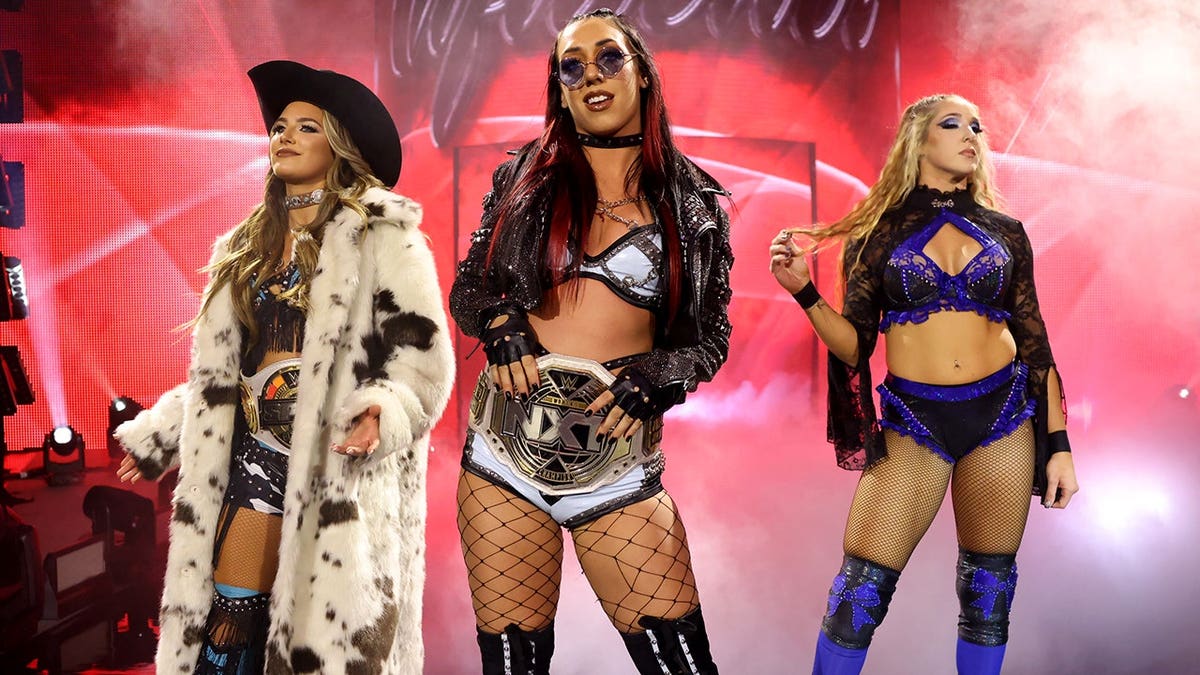
Fallon Henley, Jacy Jayne and Lainey Reid enter the arena during Showdown at the WWE Performance Center in Orlando, Florida on December 2, 2025. (Andréa Kellaway/Getty Images)
The New Jersey native has been on the NXT roster for about five years and has only had a small taste of the main roster, appearing briefly on SmackDown in 2022 and making her women’s debut at the Royal Rumble in January.
Jayne could be in line for a full-time call-up to the main roster sooner rather than later, following in the footsteps of Vaquer, who received her call-up in the months following Stand & Deliver 2025.
WWE NXT STARS TALKING STANDING AND DELIVING STANDING ACCORDING TO WRESTLEMANIA WEEKEND
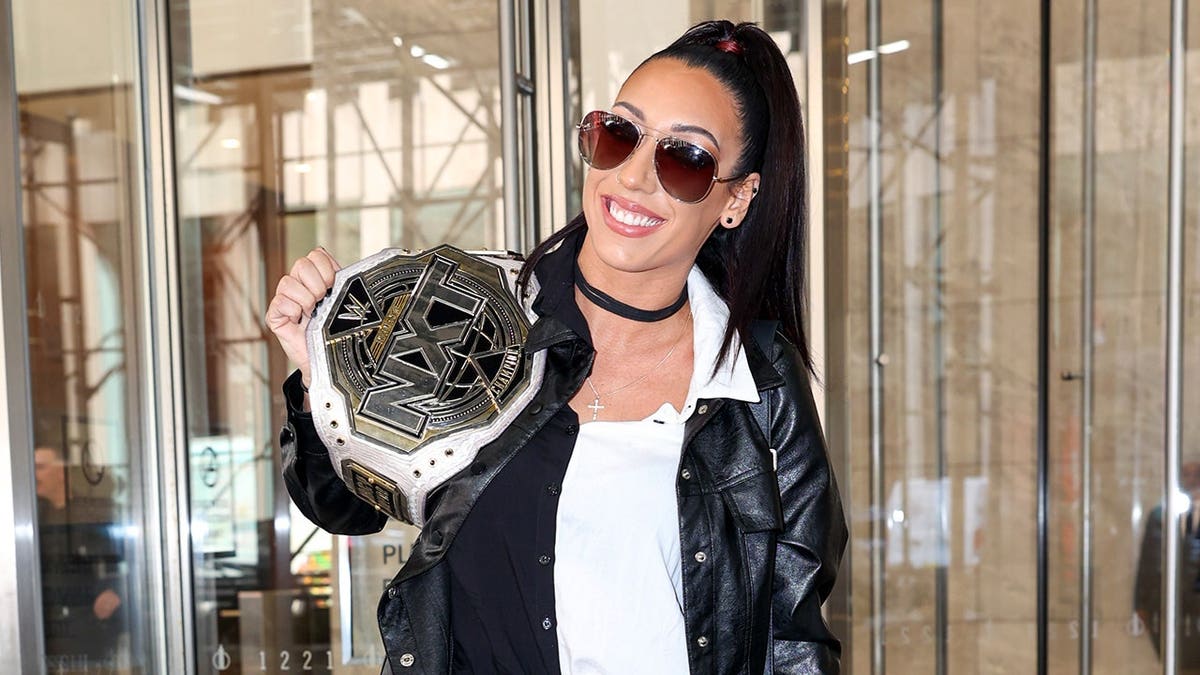
Jacy Jayne is seen in New York on March 31, 2026. (Jason Howard/Bauer-Griffin/GC Images)
She told Fox News Digital in a recent interview that if she had been called out a few years ago, she would have floundered.
“I’ve been with NXT for about five years now,” Jayne said. “I feel like if I had been called back two or three years ago, it wouldn’t have ended well. I would have left by now. Everyone always likes to say they’re ready and in reality, you’re not ready. It takes time to develop. It takes time to gain confidence and know your job.”
Jayne said that in her current state, she feels more ready than ever and put the women’s division on Raw and SmackDown on notice.
“I feel like I’m ready now,” she said. “I know I can get in the ring with anyone. I’m not intimidated. I can go with the best. So, I’m ready. Whenever they decide I’m ready, I’ll be there, and I’ll take a spot and they should all be ready.”
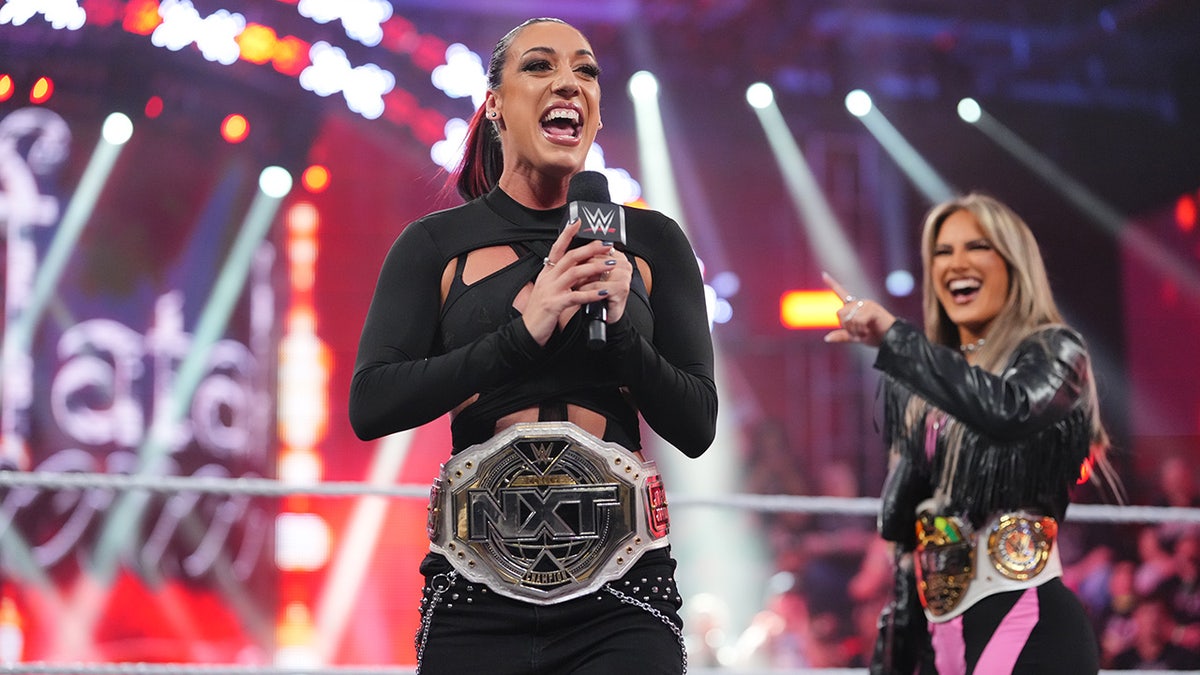
NXT Women’s Champion Jacy Jayne speaks to the crowd during NXT’s Vengeance Day on March 7, 2026 in Orlando, Florida. (Conor Kvatek/WWE via Getty Images)
CLICK HERE TO DOWNLOAD THE FOX NEWS APP
Jayne will appear at Stand & Deliver Saturday night in St. Louis. The event can be seen at 7 p.m. ET on YouTube.
Follow Fox News Digital sports coverage on and subscribe to the Fox News Sports Huddle newsletter.


