‘Space worms’ are en route to the International Space Station


The Artemis II astronauts were back on Earth less than a day before the worms took their place in space. The space worms were launched from Cape Canaveral, Florida, on April 11 aboard NASA’s Commercial Resupply Services 24 (CRS-24) mission and are on a journey to the International Space Station (ISS). Although uncrewed, the approximately 11,000 pounds of cargo aboard the Northrop Grumman Cygnus XL spacecraft contained at least a few living organisms, including a vat full of tiny Caenorhabditis elegans nematodes.
Scientists from the University of Exeter in England rely on C. elegans worms to investigate a major obstacle facing long-duration space travel: protecting the health of human explorers. While April 12 marked the 65th anniversary of the first person to reach space, the record for longest time in space still remains the 371 days achieved by NASA astronaut and former ISS crew member Frank Rubio in 2023. Just a year in microgravity has serious effects on one’s body that may require extensive physical reconditioning. If humans are expected to establish a permanent lunar base — much less make a multi-year round trip to Mars — then scientists and medical experts must develop a plan to address issues such as bone and muscle loss, vision problems and radiation exposure.
“NASA’s Artemis program marks a new era of human exploration, with for the first time astronauts prepared to live and work on the Moon for extended periods of time,” Tim Etheridge, a physiologist at the University of Exeter, said in a statement. “To do this safely, we need to understand how the body responds to the extreme conditions of deep space.”
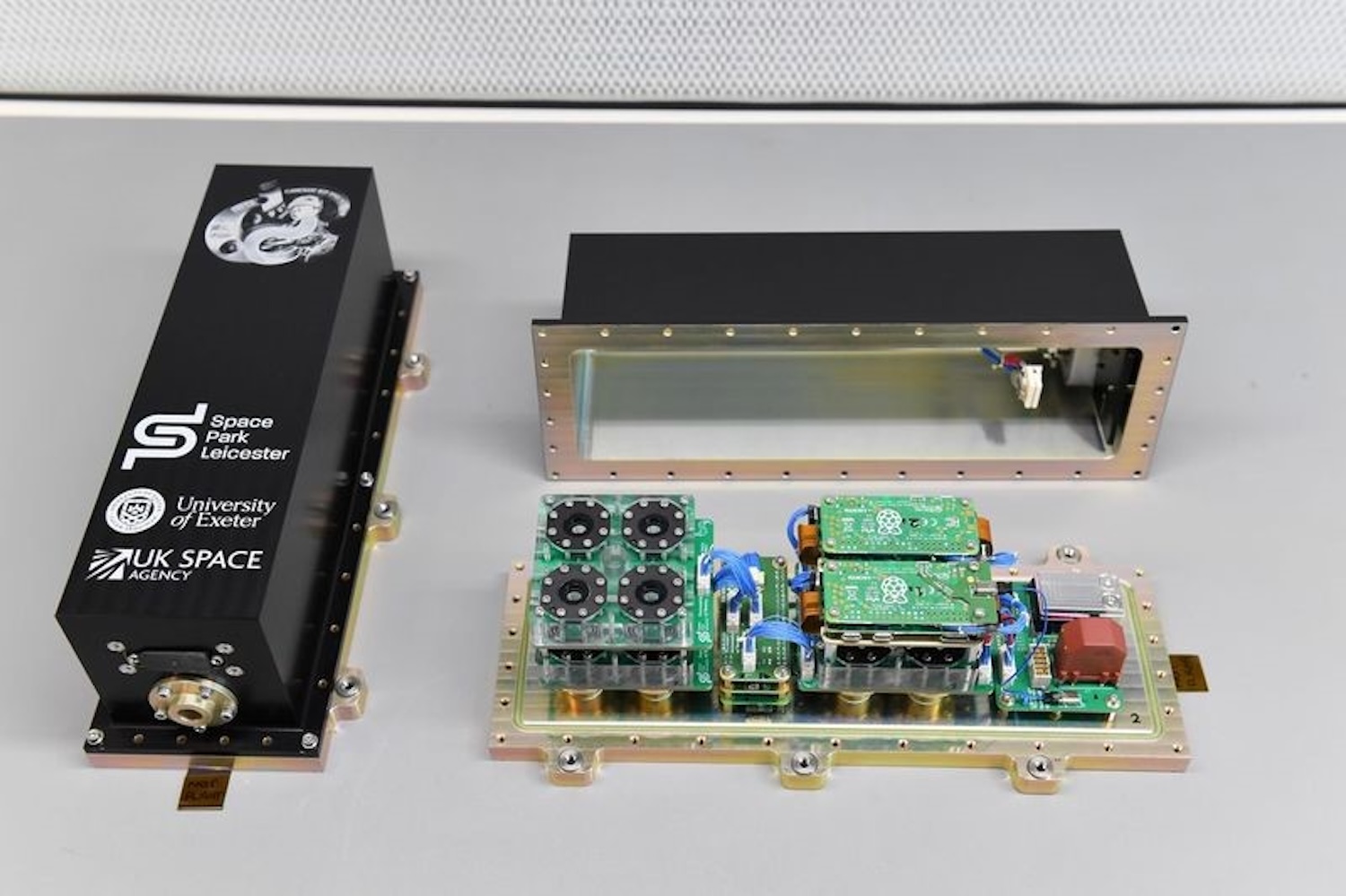
Nematodes may not look like humans at first glance, but both species still rely on the same basic biological processes to survive. Once the “Petri Pod” filled with 1-millimeter-long worms arrives at the ISS, crew members will transport the multi-chambered container to an onboard laboratory. After some time inside the capsule, the astronauts will then use an external robotic arm to install the nematode outside the ISS. From there, the nematodes will live for up to 15 weeks in containers carefully designed to maintain temperature, pressure and oxygen while remaining exposed to weightlessness and the strong radiation of space.
Back on Earth, researchers will continuously monitor the worms’ health using white and fluorescent optics as well as time-lapse video and photography. The team will pay close attention to radiation dosing while collecting a wealth of additional information on how nematodes behave in space. Once completed, the experiment results will help the team plan future experiments and evaluate potential solutions to the challenges of living in microgravity.
“It may seem surprising, but these tiny worms could play an important role in the future of human spaceflight,” added British Space Minister Liz Lloyd.

The best new PopSci 2025 releases


