Camels depicted in 12,000-year-old rock art


About 12,000 years ago, a human living in the Arab desert carved “incredibly beautiful” rocky art in the wall of a cave. Although we did not know the intentions of the prehistoric artist, archaeologists studying art and the tools found next to it indicate that freshwater sources in the region allowed humans to develop in the region. These rocky engravings of camels, gazelles and other animals dating between 12,800 and 11,400 years and what they could mean are detailed in a study published today in the journal Nature communications.

Follow the water
Archaeologists have limited evidence of human life in North Arabia 25,000 to 10,000 years ago. During this period, the region was probably arid and dry, but humans in other regions of the Middle East successfully adopted agricultural and farming practices in a wide range of environments.
Human activity in northern Arabia would have started around 10,000 years ago, due to water oasts that have started to appear. The cave filled with art was discovered in the Nefud desert, in northern current Saudi Arabia in 2023. It now offers indices on the life and climate of the region approximately 12,000 years ago, pushing the chronology of human activity in the nave by around 2000 years.
“It was probably similar to today, perhaps a little more humid, but not much,” says Dr. Maria Guagnin, co-author and archaeologist and art researcher from the Max Planck Institute of Geoanthropy Popular science. “We know that there were shallow seasonal lakes, but it was probably too dry for the vegetation to settle.”
From the sediments of the lake and the location of rock art, people living here can have used a network of routes to travel between the shallow lakes. According to Guagnin, it is not quite clear how they have survived the dry season.
“Either they found deeper water pools in the mountains, or maybe they moved to other regions, then returned,” explains GUAGNIN. “We know that they must be very mobile – they have shell pearls that come from the sea, which is at least 320 km [198 miles] far.”
“The kind of evidence of researchers in rock art dreams of”
The giant tools of rock art and stones found inside the cave indicate that this additional availability in water would have supported human life. Rocky art includes more than 130 life -size engravings of animals recognizable today and also an extinguished species of a mammal similar to a cow called Aurochs.
“Rock art is incredibly beautiful,” explains Guagnin. “It shows full -scale naturalist camels, IBEX, gazelles, wild equines and aurochs. It is rare to find so many panels that are so well preserved and still visible today. This means that we can really rebuild how they were placed in the landscape. ”
Some of these engravings measure more than six feet high, with the largest seat on a cliff about 127 feet from the ground. According to Guagnin, a very shallow rim is the only platform in front of it.
“This means that the engraver must have taken place directly in front of the surface of the rock during engraving,” she said. “They could not have seen the whole animal – and yet they produced a perfectly proportioned naturalist camel engraving.”
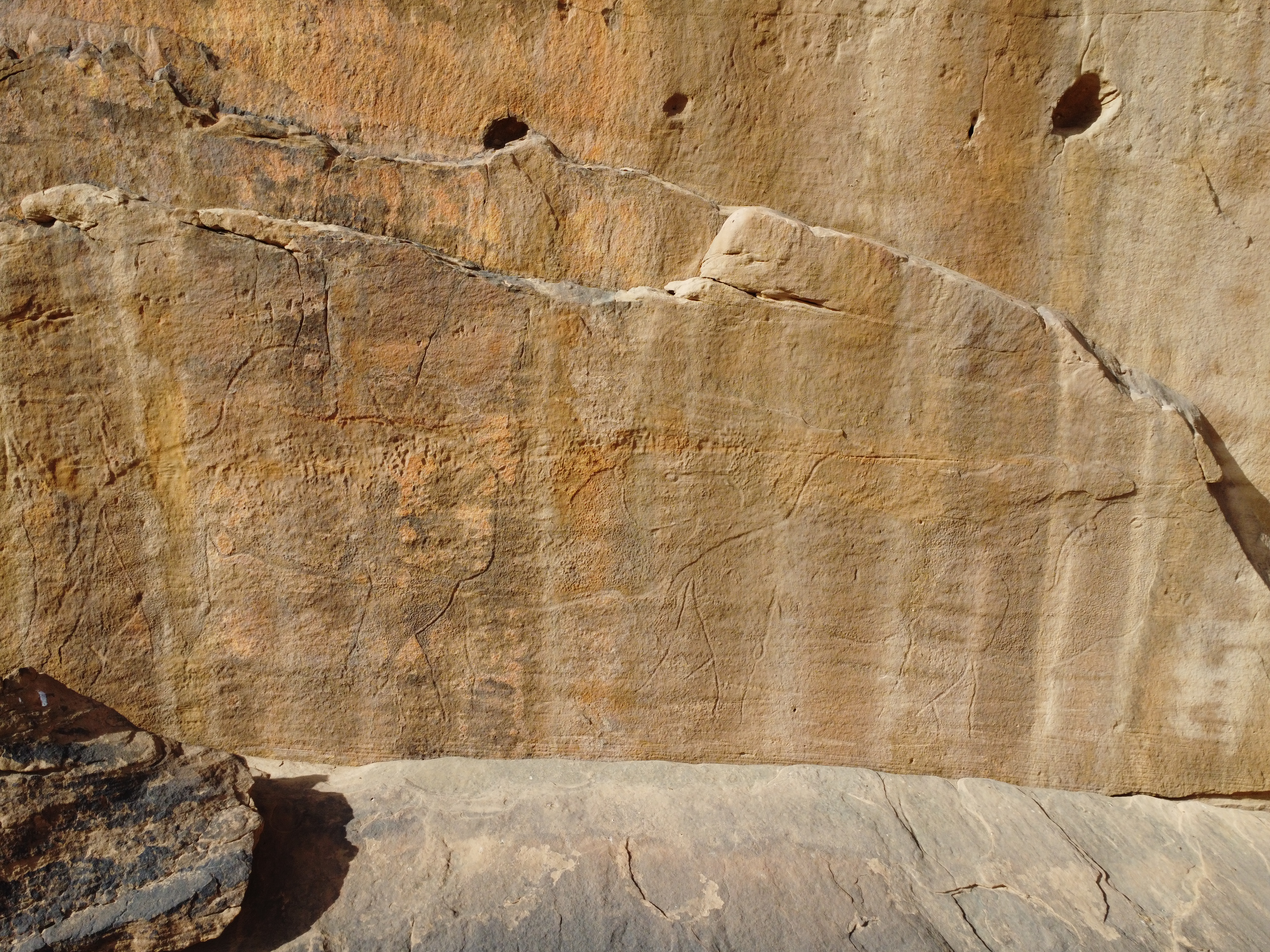
Today, this panel is almost invisible because it is very high on the cliff, and art in rock that this old is difficult to see from a distance. It could only be seen for about an hour in the morning, when the sun rises on the mountain and the light strikes it at the correct angle. “We were very lucky that a worker who worked with us, Saleh Idris, spotted it,” she said.
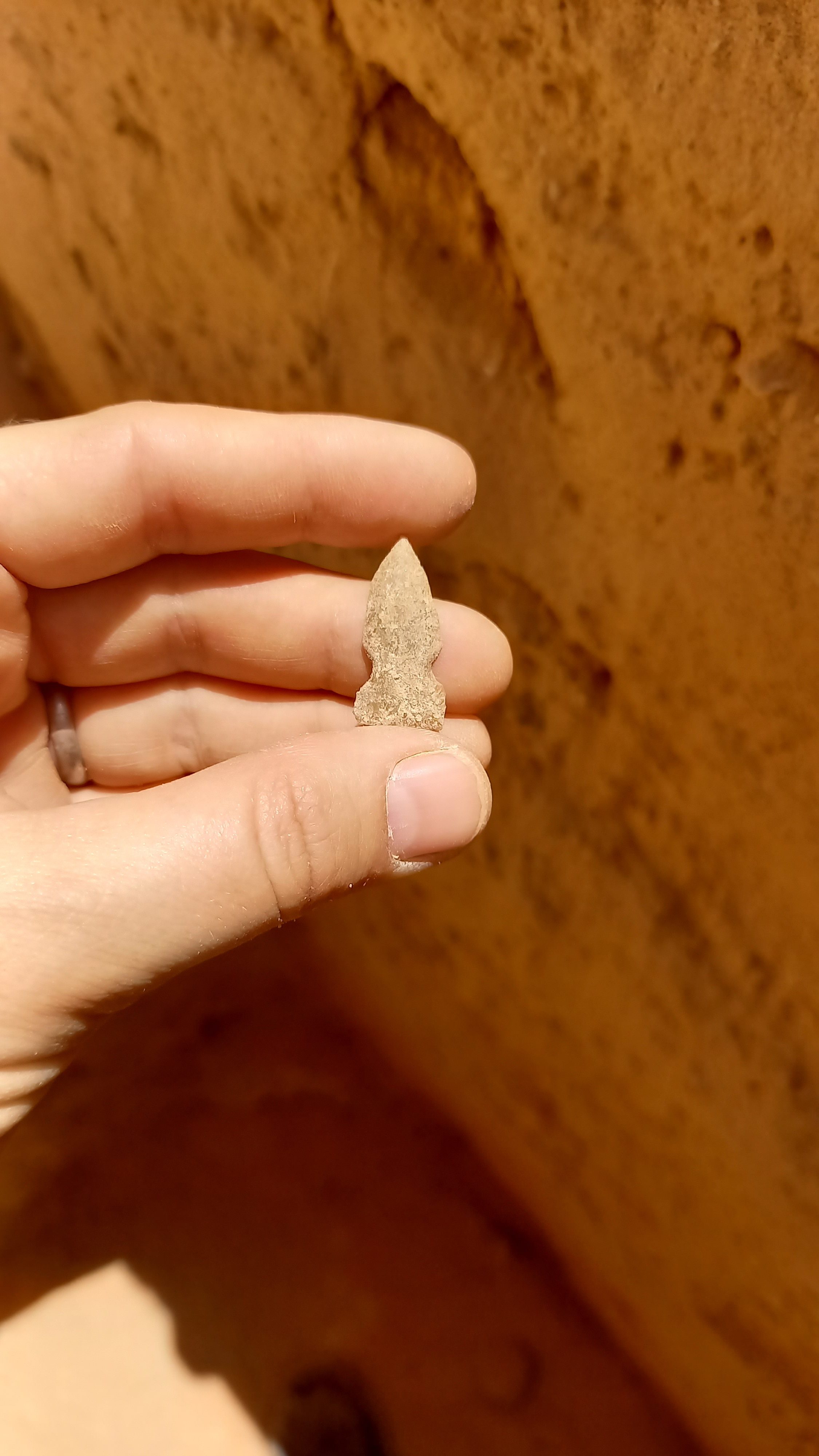
The team also found 532 stone tools. The Guagnin says that finding an engraving tool in the sediments is “the kind of evidence including researchers in rock art dreams”. Their form could indicate certain cultural connections to current crops in the Middle East. The team believes that some of the same groups of people may have made rock art and stone tools, but are not quite certain and the direct links between the creators of the tools and the rock art are difficult to glean to date.
An aspect of art that is clear, and it is the importance of a particular animal commonly associated with the life of the desert.
“The symbolism of the camel was very important to them,” explains GUAGNIN. “Rocky art often shows male camels during the primer season, which coincides with the rainy season. We think it probably shows how important the arrival of rain was for survival in the desert.”

More offers, reviews and purchasing guides