Can Valve save VR gaming with the Steam Frame?


The Apple Vision Pro is an expensive failure. I haven’t heard anyone mention the Meta Quest in months, even though it got a new model last year. I don’t even remember the name of Samsung’s new Android headset. While VR gamers remain passionate, the excitement around the format seems to be slowly dying down… again.
And then it happened Zeus Valve. Easily the least common of the three – THREE! — hardware announcements yesterday, the Steam Frame is everything I hoped for. It’s a standalone, self-powered headset with its own software and apps, much like the Quest. Featuring an internal battery, it’s ready to hit the road or just wander around your house untethered.
But it can also connect to a gaming PC or Steam Deck or Steam Machine (what’s the difference?) to access more powerful virtual reality games and non-VR media. And Valve makes it a core feature, with a low-latency wireless dongle included in the box.
It packs the latest VR technology like eye tracking, pancake lenses, and expansion options for MicroSD and USB-C. It’ll run on a powerful Snapdragon ARM64 processor, and the software is at least a SteamOS of sorts, giving it immediate access to a huge amount of VR and standard games.
This is huge, and I say this as someone who is very invested in VR games. The Frame checks almost all the boxes a VR headset needs to be a hit with consumers. And perhaps, most importantly, it comes with something gamers already know they want: Steam itself. For all the billions Apple and Meta have invested in their VR platforms, they have yet to make the case to most users that these devices are anything more than a novelty.
Remember when Apple was trying to convince us that haunting digital eyes on an external display weren’t incredibly creepy? It was only two years ago. Maybe I’m projecting, but Valve’s promotional video for the Frame might just give a nod to this, when an older lady raises the headset to look at the viewer and give them a cheeky smile.
Ten years of work in VR gaming
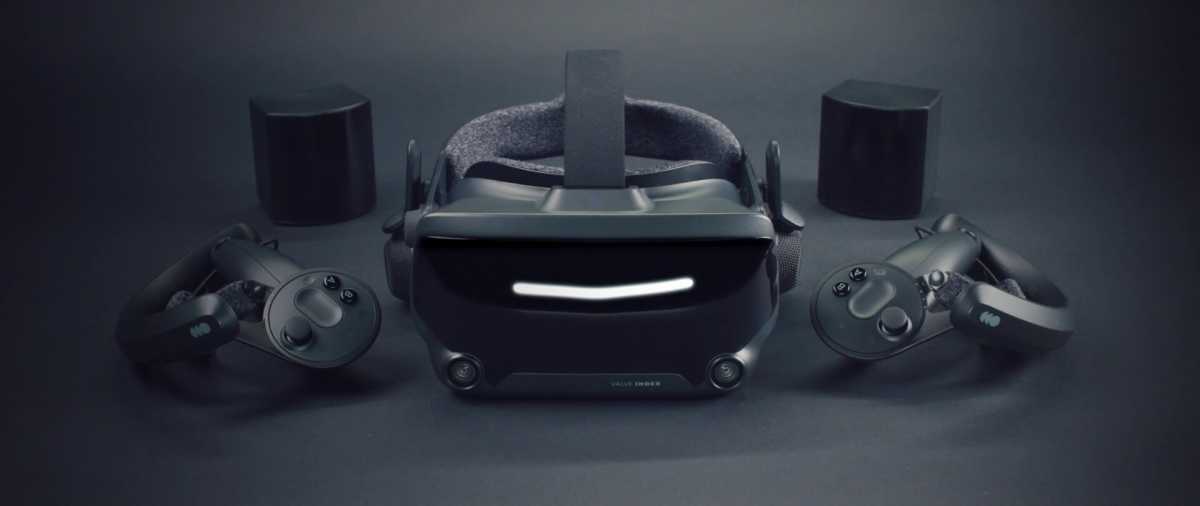
Valve doesn’t need to pretend that the Frame is anything other than a gaming machine, a framework – oh, I see what they did there – through which you can access everything that’s already on Steam and where the most fleshed-out VR games already live. One might forget that Valve, along with partners like HTC and, to a lesser extent, Oculus, has been building a solid but niche foundation for virtual reality software for over a decade.
Valve
Various versions of VR headsets had never really landed before, even with Steam as the access point. But the same could be said for Steam Machines, which failed with an approach focused on retail sales and OEM partnerships, as well as the original Steam controller. Now, with a decade of experience and perspective, not to mention the meteoric success of Steam as the de facto platform for PC gaming and the Steam Deck redefining an entire form factor, it’s easy to see why Valve might have a little pep in its step.
Valve needs two more things to make this thing a success. First, a killer app. Something with a little more mass market appeal than, say, Half-life alyxa somewhat experimental side entry in a franchise best known for being in hibernation for nearly two decades. (Incidentally, Alyx will likely be six years old by the time the Steam Frame gets into consumers’ hands and faces.)

steampowered.com
It takes something like Astro VR Game Room Or Astrobot on PS5, an engaging tour of everything you can do with VR hardware. Preferably free to purchase, and with a bit of that Valve developer soul that’s so hard to find since it’s essentially become a showcase that only delivers a new title once or twice a decade.
By the way, after the hardware announcements, Valve stated that it is not currently working on a first-party VR game. Oh dear.
The price is decisive
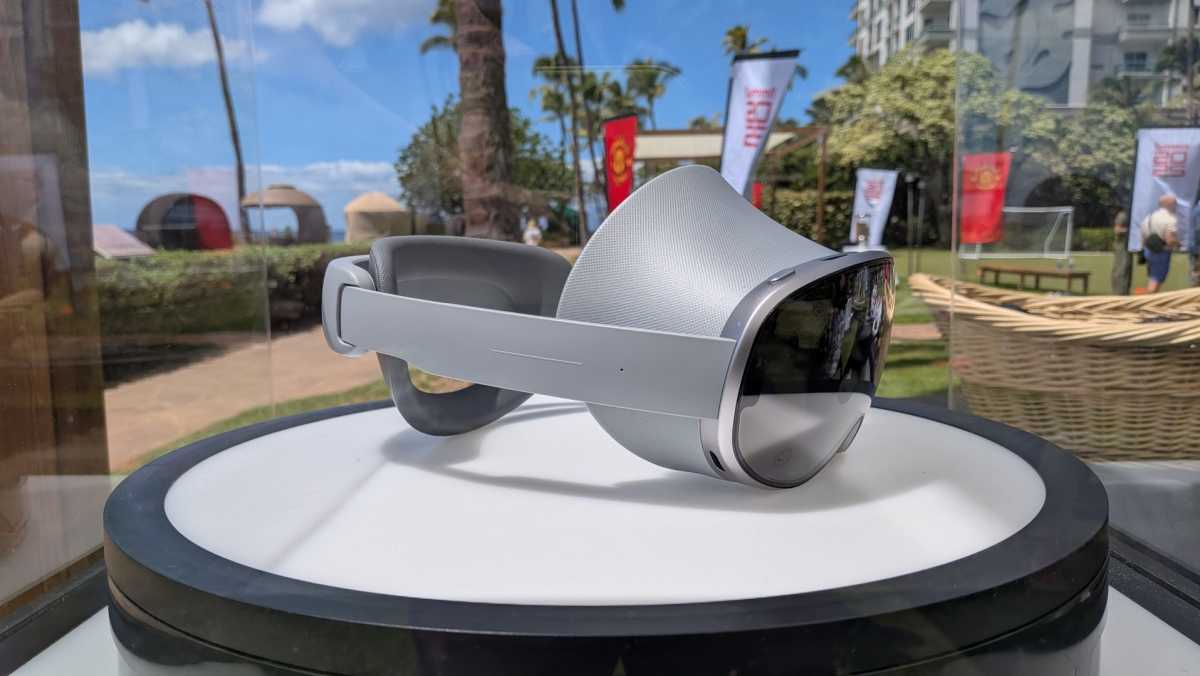
And the second thing it needs is the one that’s been missing from all the new Steam hardware announcements: a good price. This is the one that concerns me the most. Samsung’s headset, the Galaxy
The Galaxy XR costs $1,800. This will cause barely less sticker shock than the $3,500 Apple Vision Pro, and will certainly cut off the interest of gamers who are only tentatively interested in VR gaming.
Chris Martin / Foundry
It couldn’t have escaped Valve’s notice that the Meta Quest series, which at one point cost just $200, remains the most popular way to play VR games on PC. I know that’s not possible, because Valve told me that stat in their latest hardware survey. The Quest 2 and Quest 3 still make up more than half of the Steam VR player base, although they have to jump through a few hoops to use it for PC VR gaming.
I’m not saying the Steam Frame has to cost $200 to be a success. But Valve certainly understands that a low entry point is essential. This is part of the formula for the Steam Deck’s top spot above a small pile of PC gaming handhelds. And if Valve is smart, it will offer the new Steam Machine 2.0 at the lowest possible price, both to compete with the PlayStation and (I guess, technically) Xbox and to keep people engaged with the money-printing Steam platform.

Valve
So, knowing all of this, anything below $500 would make the Frame an instant buy for me and I would perhaps hope for many other gamers. I’ll have to wait and see… but with an expected launch date of “early 2026”, I may not have to wait too long.