Canada cuts tariffs on Chinese EVs as part of new deal

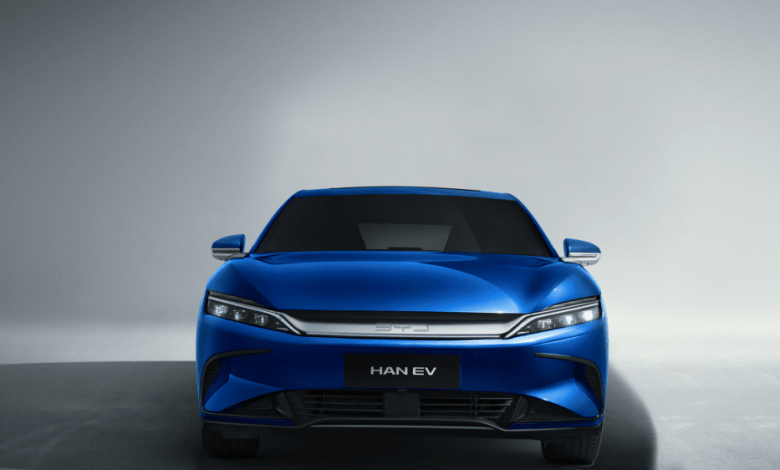
Canada has agreed to slash its tariffs on imported Chinese electric vehicles from 100% to 6.1% as part of a deal between the two countries. In exchange, China will reduce tariffs on Canadian canola seed from 84 percent to around 15 percent.
This decision constitutes a break with the United States, which maintains a 100% customs duty on electric vehicles from China, thus banning them from the country. Mexico currently imposes tariffs on vehicles at 50 percent since last year.
Under the terms of the deal, billed as “preliminary” by Canadian Prime Minister Mark Carney, Canada will allow up to 49,000 Chinese electric vehicles into the country, and that number will increase to 70,000 after five years. Until now, the three main North American trading partners had aligned themselves in an attempt to protect their domestic production of electric vehicles. Chinese EV companies benefit from this and, as such, can often offer a much better price than domestic alternatives.
“Our relationship has progressed in recent months with China. It’s more predictable and you’re seeing results come from it,” Carney said. A warmer relationship could form in response to the Trump administration’s remarks, with China hoping that the alienated nations could move closer to the eastern power.
As for concerns that cheaper electric vehicles from China could hurt the Canadian auto market, the prime minister was unconcerned, saying “this is still a small, single-digit proportion of the size of the Canadian auto sector,” Carney added, “Canadians buy about 1.8 million automobiles a year.” China remains Canada’s second largest trading partner after the United States.


