Catapult the cow: 6 medieval castles that were never conquered


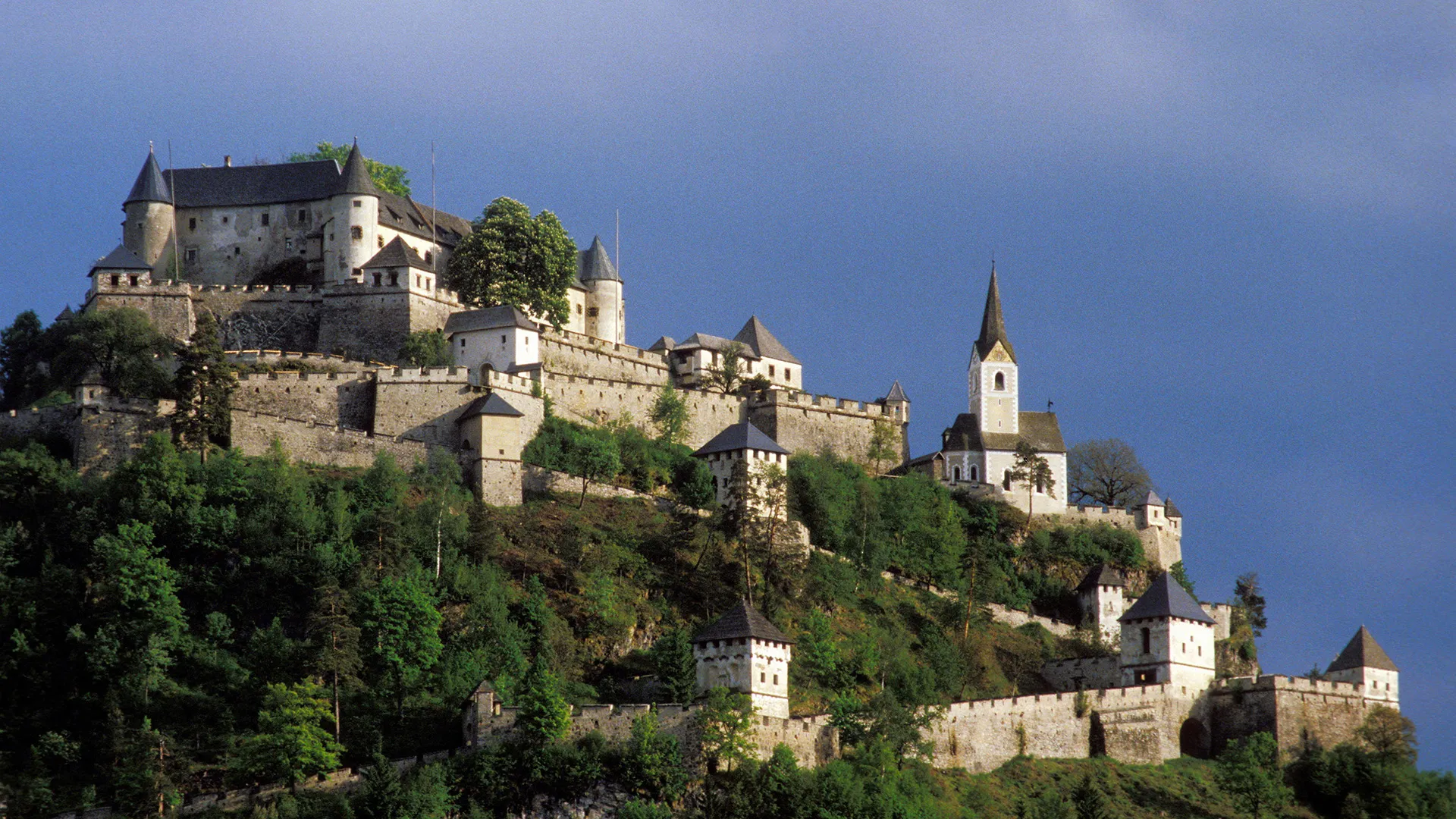
Hochosterwitz Castle in southern Austria
(Image credit: INTERFOTO via Alamy)
Castles were commonplace during the Middle Ages, which lasted from about 500 to 1500. Most castles were built to serve as fortified residences of the local nobility during this politically tumultuous period, but they also served as territorial defense.
Giant stone castles were difficult to take but were not invincible. Many fell in sieges, in direct assaults, or by bribing defenders to abandon their posts. But some castles have withstood the slings and arrows of their time.
Here are six medieval castles which were never conquered, including one who may have been saved by a dead cow catapult.
Bohus Fortress (Sweden)
(Image credit: Sophie McAulay via Alamy)
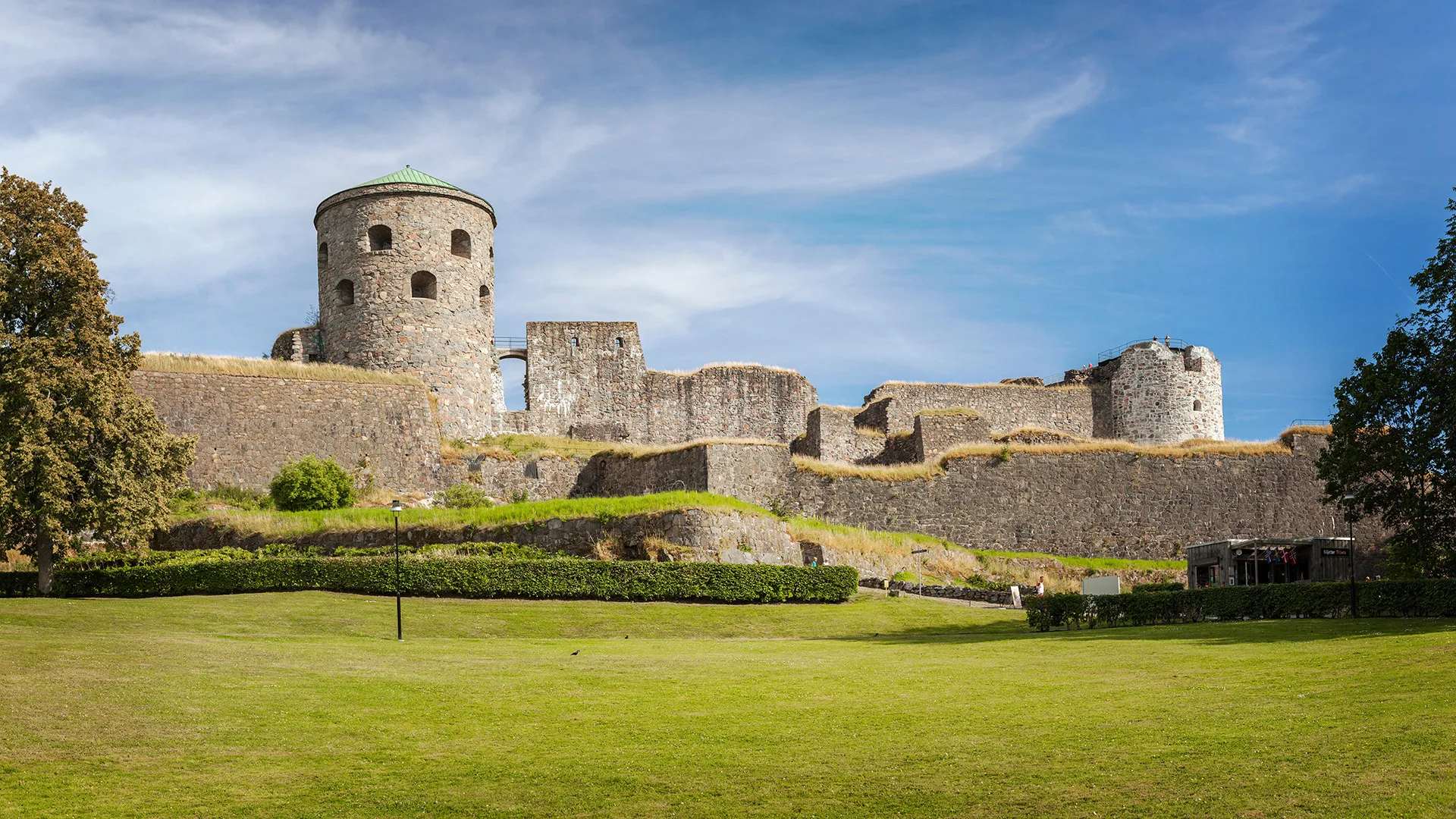
Bohus Fortress, in what is now southwestern Sweden, withstood at least 13 sieges without being taken, according to the Swedish National Property Office. Originally built on top of a hill in the 1250s by order of the Norwegian King Bohus, it was expanded into a wooden castle in the 14th century. Over the next two centuries, most wood was replaced by stone.
At its summit, the fortress had several towers connected by a complex system of interlocking stone walls. This design meant that if one of the towers was taken, the remaining defenders could continue fighting in another. In 1566, Swedish attackers managed to capture one of the towers. The castle’s defenders continued to fight in the other towers and even managed to ignite a powder magazine in the captured tower which then blew up the Swedish invaders.
Bohus was originally built on the former border between Norway and Sweden. But thanks to the Roskilde Peace Treaty in 1658, the border was moved and Bohus was ceded to Sweden.
Hochosterwitz Castle (Austria)
(Image credit: DEA / ALBERT CEOLAN via Getty Images)
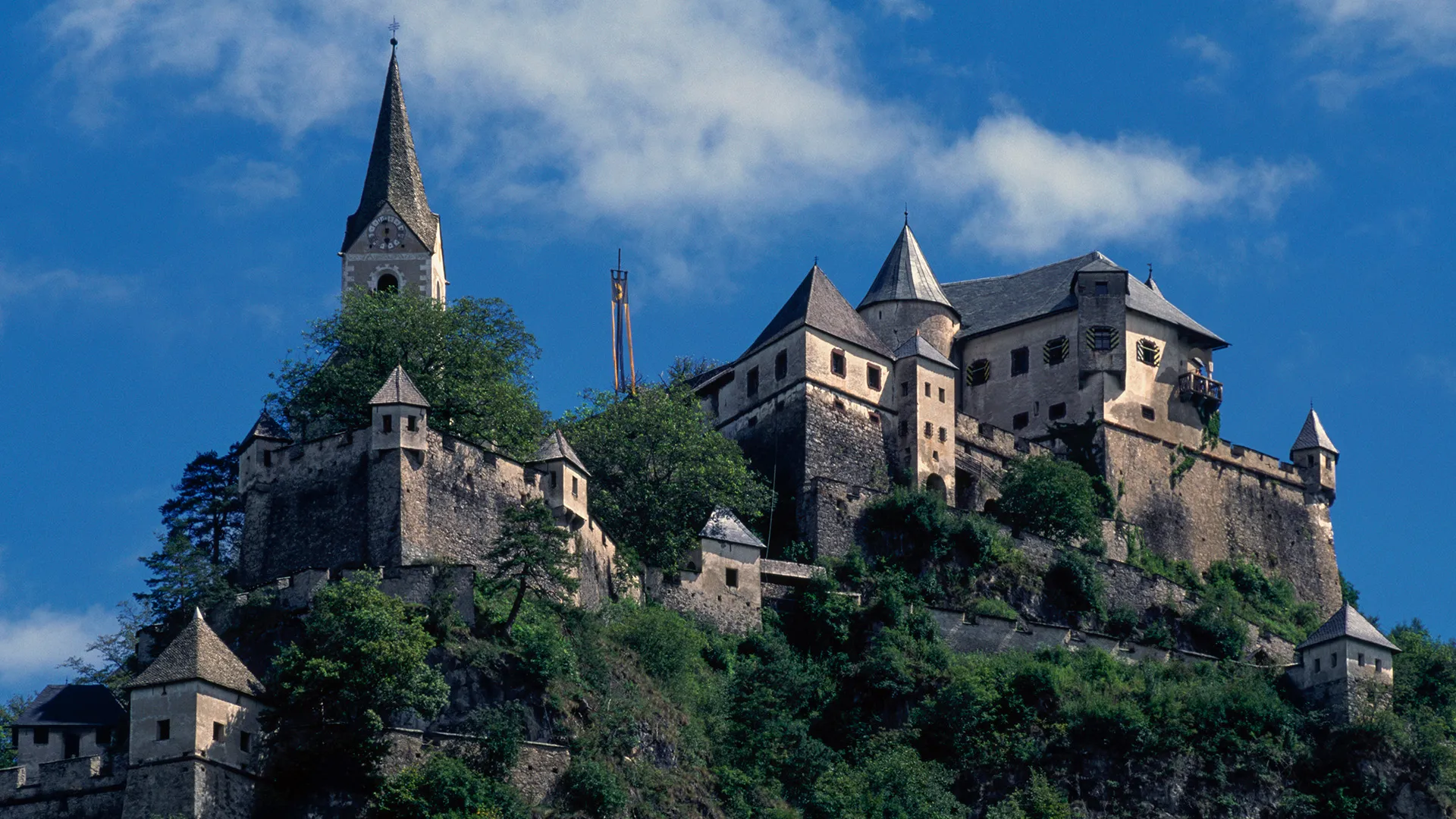
Hochosterwitz Castle, in what is now southern Austria, was built atop a steep hill that rises about 150 meters above the surrounding valley, according to Hochosterwitz Castle website.
Get the world’s most fascinating discoveries delivered straight to your inbox.
A castle existed on the site at least as early as 860 AD and was continually altered and repaired over time, but it does not appear to have been conquered. At the end of the 16th century, to protect against Turkish invasions, the noble owner of the castle had it built 14 doorseach equipped with different defensive structures.
According to a storywhich may be fictitious, Hochosterwitz was almost conquered in the 14th century, when the castle was besieged by an army loyal to Marguerite, Countess of Tyrol. The defenders were almost out of food, so they slaughtered their last cow, filled it with grain, and catapulted it at the enemy. Margaret’s army concluded that if the defenders could afford to catapult a dead cow containing grain, they must be well supplied – and they lifted their siege.
Berthoud Castle (Switzerland)
(Image credit: Educational Images via Getty Images)
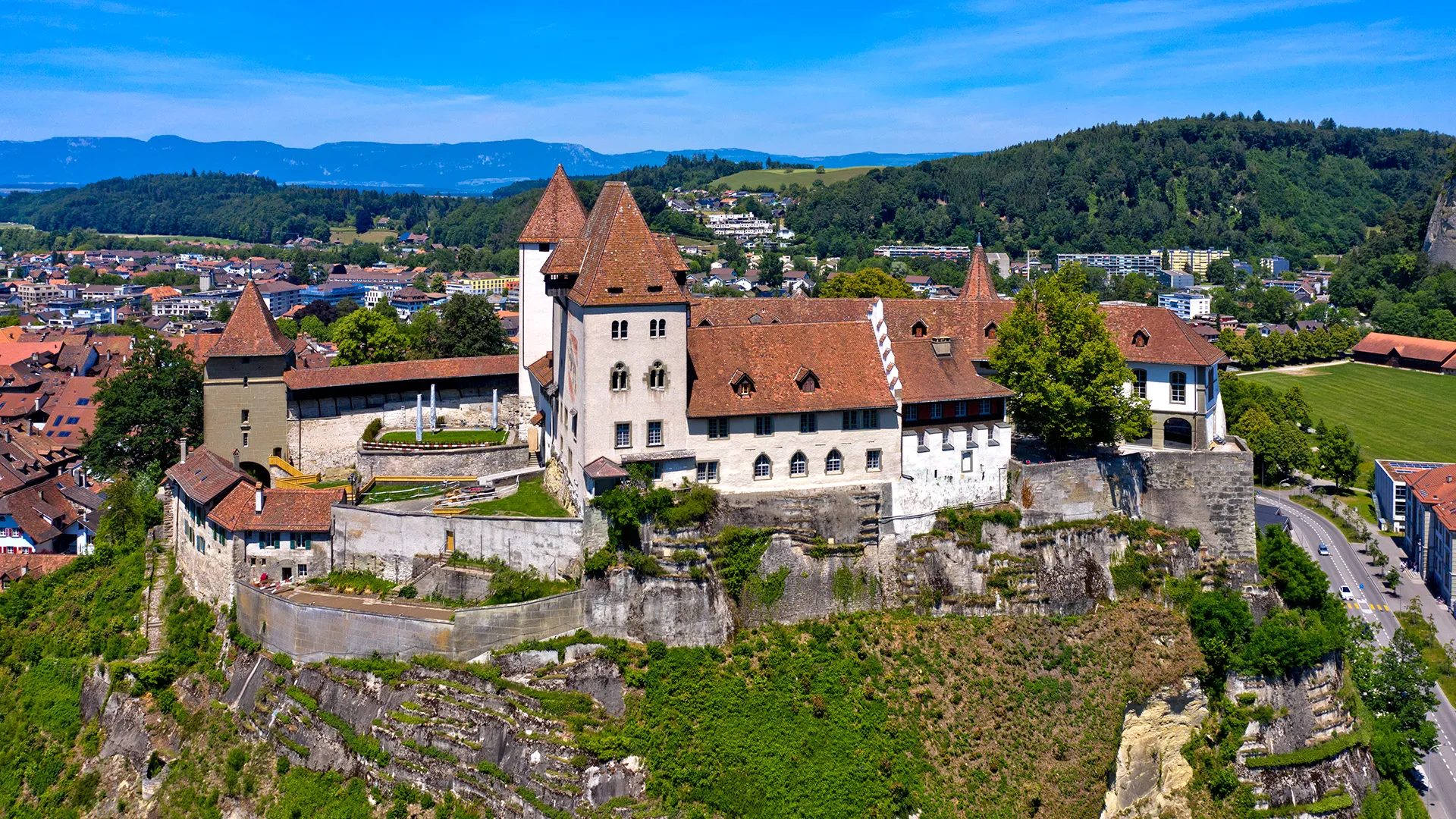
Berthoud Castle, near Bern, Switzerland, taught its medieval attackers a lesson in 1383: if you can’t conquer it, then buy it.
During a war between the city of Bern and the counts of Neu-Kyburg, the castle, controlled by the Kyburgs, was besieged for 45 days by an army sent from Bern. The siege failed and the Bernese army faltered, according to Historical Dictionary of Switzerland. However, the Kyburgs and the city reached an agreement in which the city paid 37,800 guilders, a currency used in the Holy Roman Empire, in exchange for control of the castle.
Berthoud is far from being the largest medieval castle, but it is sizeable: the castle has a residential tower, a keep (fortified tower) and a large room, all connected by a system of walls, according to the plan of the castle. website. It does not seem to have been conquered during its 800 years of history.
Mont-Saint-Michel (France)
(Image credit: Sean Gallup via Getty Images)
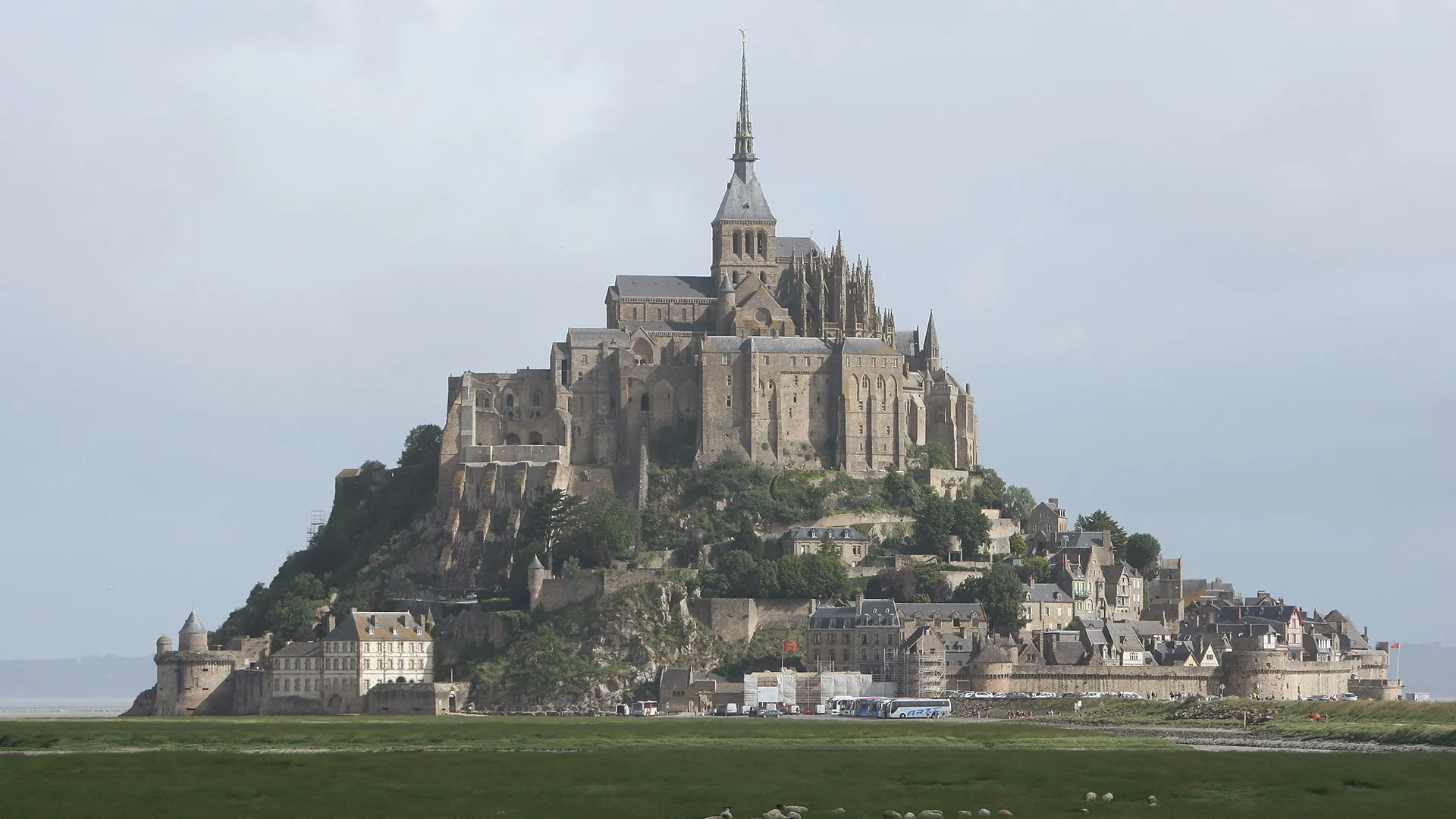
Located on a tidal island in northwest France, Mont-Saint-Michel is both an abbey and a medieval fortress, and it has withstood several sieges throughout its history. During the Hundred Years’ War — a series of conflicts between England and France between 1337 and 1453 — Mont-Saint-Michel was besieged several times by the English but never fell. The location of the site on a tidal island and the strength of its ramparts made the fortress practically impregnable, the fortress Mont-Saint-Michel site said.
In addition to being a powerful fortress, Mont-Saint-Michel was an important abbey. According to legend, the Archangel Michael appeared three times before Bishop Aubert in 708 and asked him to build a sanctuary in his honor at this location, notes the website.
Kost Castle (Czech Republic)
(Image credit: ullstein bild via Getty Images)
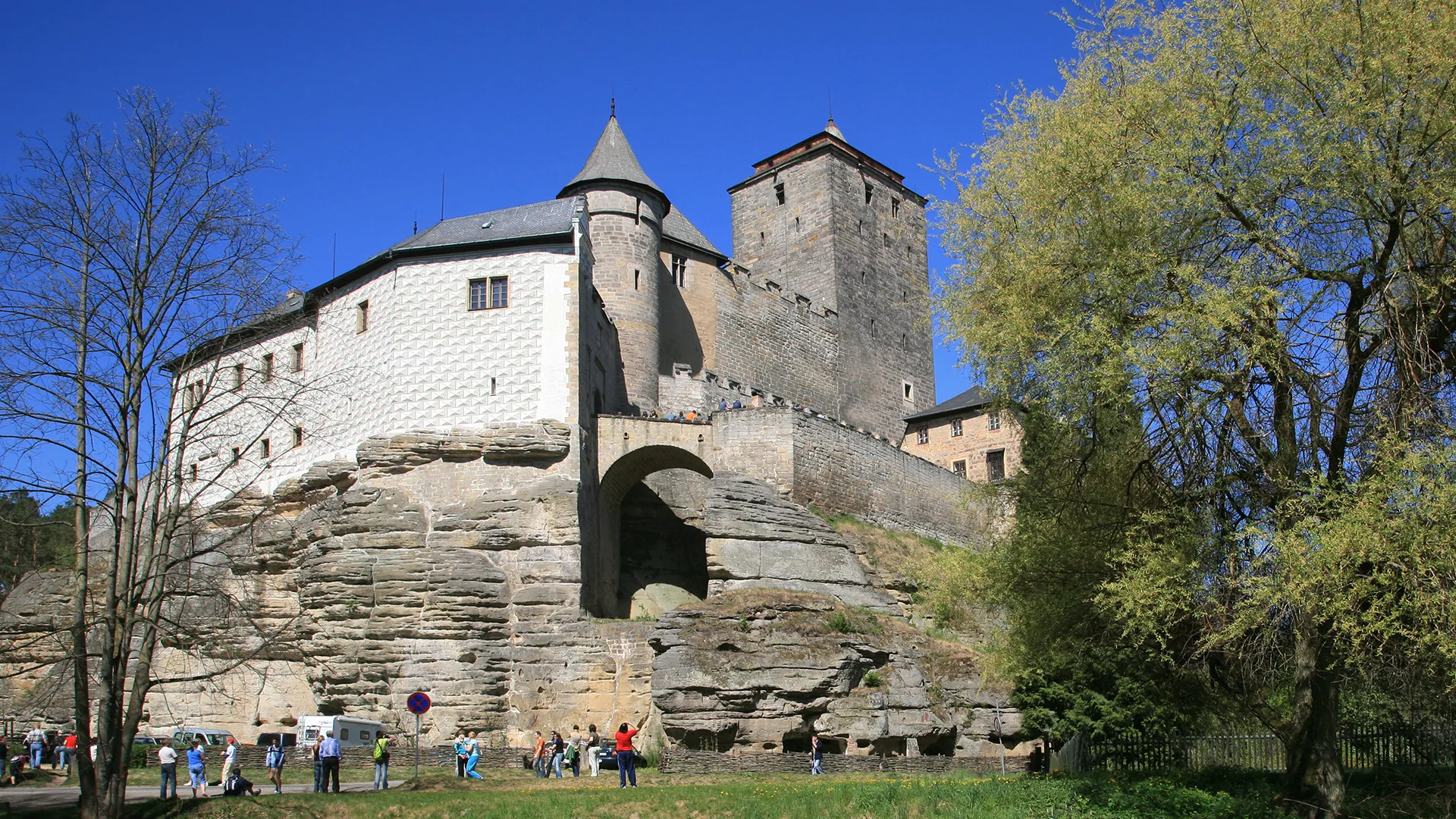
Located in the north of the Czech Republic, in an area known as the Bohemian Paradise, the Gothic-style Kost Castle was built in the 13th century and expanded over the next two centuries. It contains a series of walls and fortifications, the “Great White Tower” (the stones of the tower are white in color) being the most important. It also has a chapel, farm buildings and even a brewery built in the 16th century, the Kost Castle website Remarks.
According to a storyAfter an unsuccessful attempt to take the castle in the 15th century, the leader of the army that attacked it, Jan Žižka, said that its walls were hard as bones. Although the story may be fictional, the castle retains “bone” in its name (“kost” means “bone” in Czech) and it appears to have remained undefeated throughout its history.
Château Pèlerin (Israel)
(Image credit: Panther Media Global via Alamy)
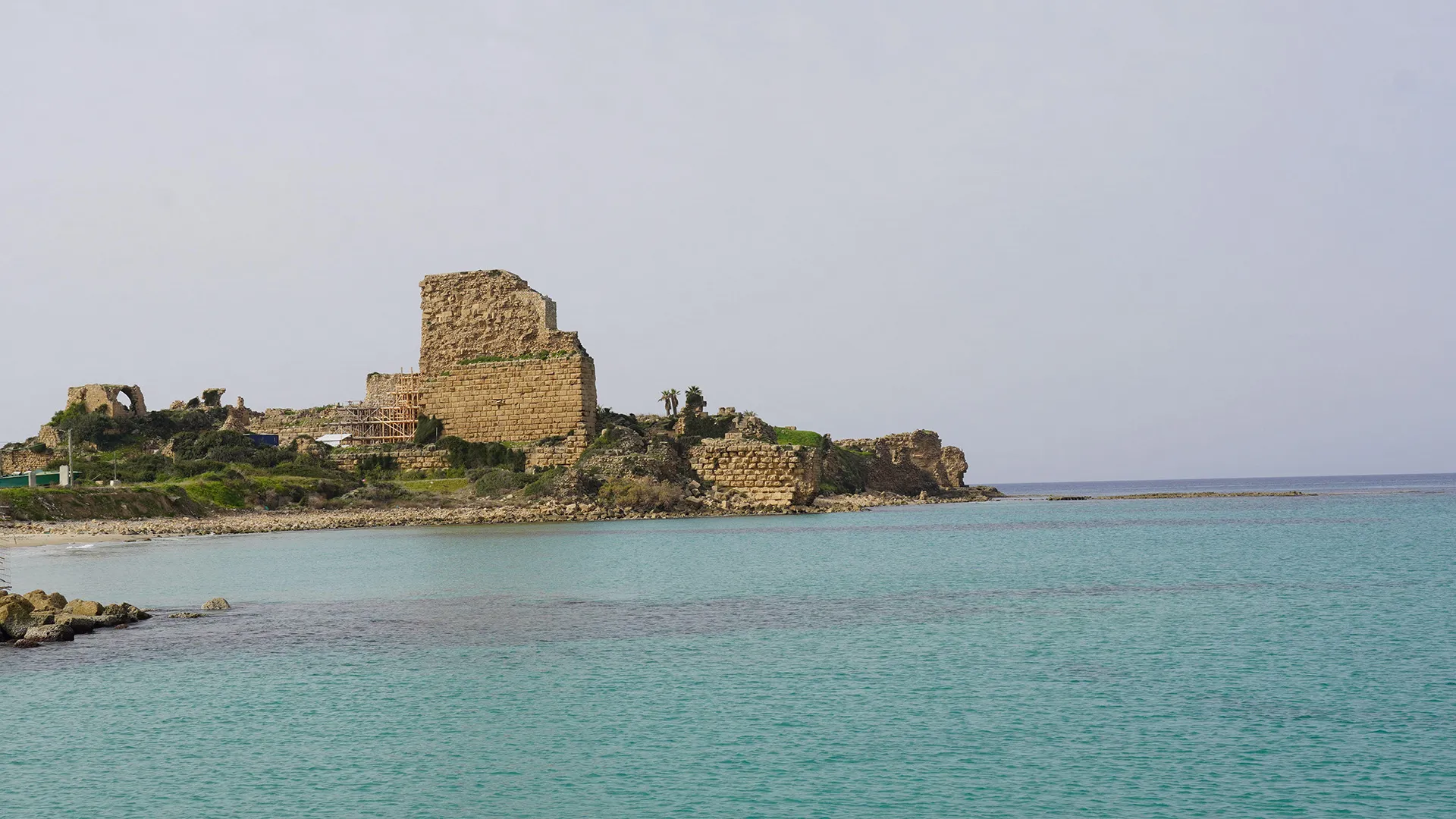
Château Pèlerin (also known as Château Atlit) is a Cross castle located on the northern coast of what is now Israel. Built in 1218 by the Templarsits location by the sea allowed it to be supplied by ships, which made its siege more difficult. The Templars built the fortress to control the coastal route and retake Jerusalem, which fell during a siege in 1187, according to UNESCO.
Inside the fortress walls and towers were residential areas and a chapel. Pilgrim Castle was never conquered, but in 1291 it was evacuated and abandoned after the fall of the Kingdom of Jerusalem and the loss of Crusader control over most of the Holy Land.


