Check out Roku’s Howdy—it’s everything Netflix used to be


Have you ever heard this one? A disjointed entertainment company is launching a small catalog of streaming and television films without advertising for cheap. This does not seem to be a big problem at first, because the content is mainly B films and reruns, but it turns out to be popular with consumers and continues to change televised entertainment as we know it.
I could refer to Netflix, which started this exact path with its “Watch Now” streaming catalog in 2007. But I could also prevail Howdy, the $ 3 streaming service that Roku launched last week.
The parallels are obvious. Roku begins with a small catalog, heavy on filling, and says that he does not try to compete with the holders. But it also arrives at a time when consumers are more and more frustrated by the greatest streaming services, which are more like the packets of swollen and expensive cables which they formerly aimed to move.
Howdy may seem insignificant now, but like Netflix, it could become the beginning of something bigger.
Howdy vs Netflix
Roku
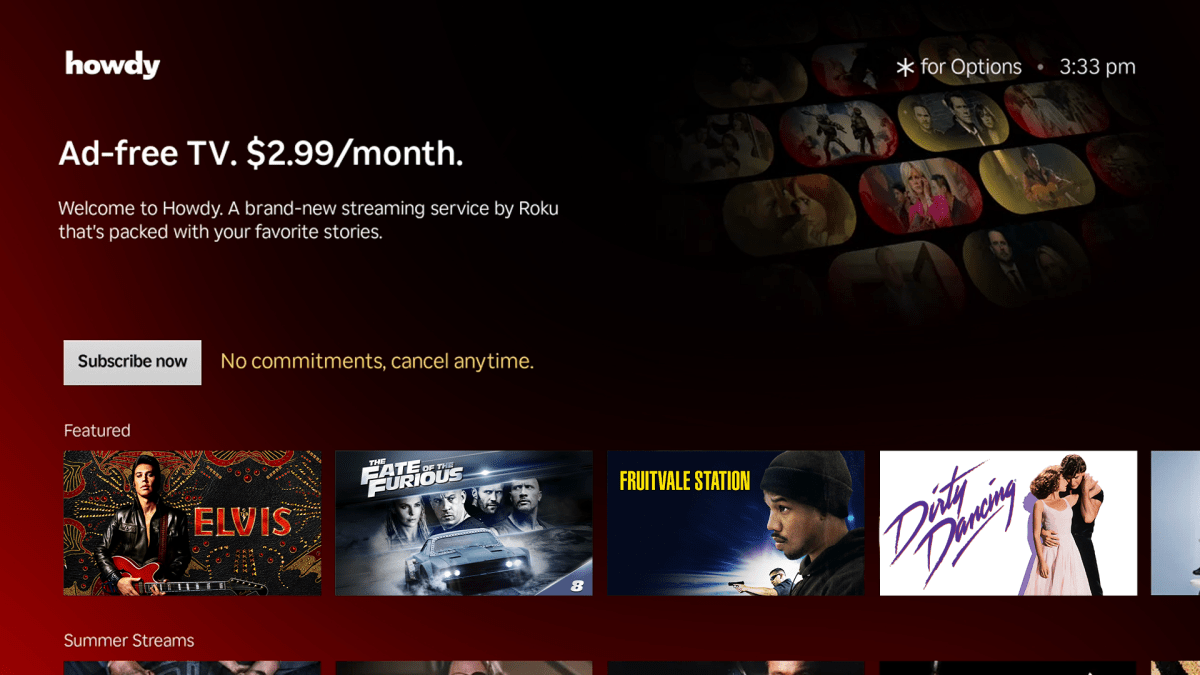
People tend to remember Netflix as offering an endless content premium in its first years, but in 2007, its catalog was tiny, with only 1,000 titles at the start. The Howdy de Roku catalog is just as small, with “thousands of titles”, according to Roku, and less than 10,000 hours of entertainment in total.
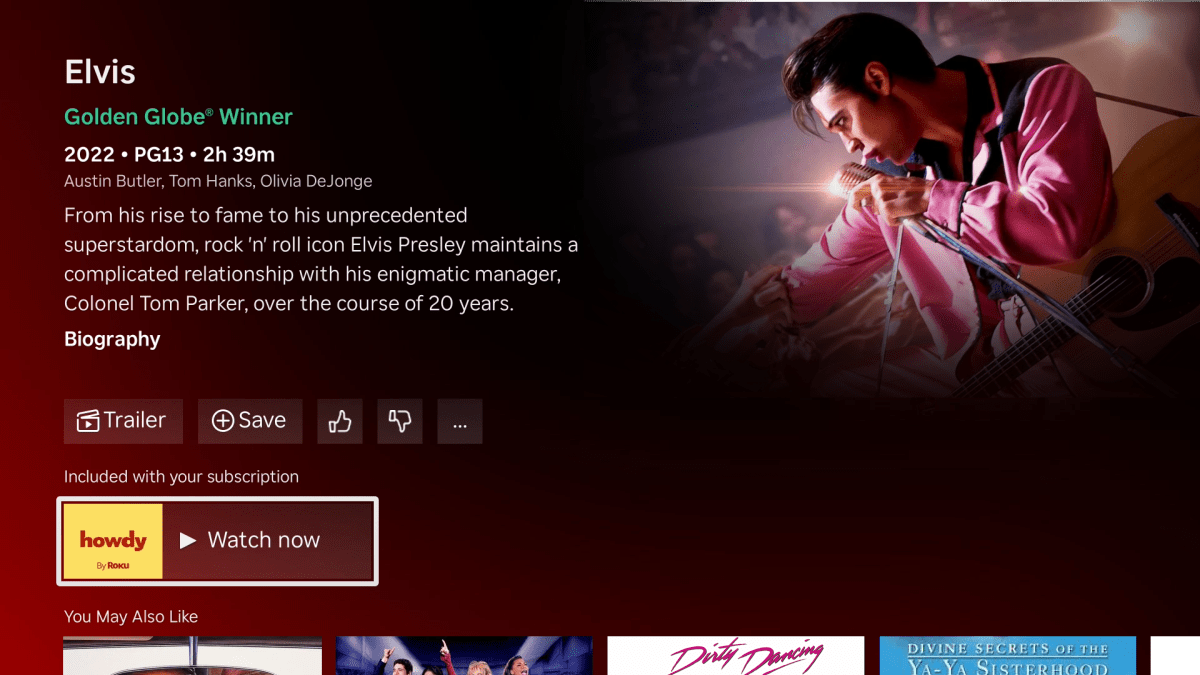
Nor is it about quality compared to quantity. While Howdy has a handful of stars, including Mad Max: Fury Road And Revelation nowIt is also filled with television shows as forgettable as Nikita And Spartacus: gods of the arena. (The catalog has some overlap with the Roku canal, the Roku free free streaming service, but there are unique titles on each.)
It’s like that with Netflix during the day. “”[T]The selection is quite small, at least once you subtract the mind -blowing gigabytes from B films – more like C or D movies – as Drying III: Blood Fliance And Witchcraft XI: Sisters in the Blood“Wrote David Pogue about the Netflix streaming launch. The first users created forum threads to recommend quality content, as The office and films like Marmot day—The of the Crup.
Of course, Netflix’s streaming catalog improved over time. The service concluded an agreement with Starz in 2008 to put new liberation films on the service, and it would overcome premium networks (including Starz) for Disney films streaming rights in 2012. A series of transactions with AMC brought prestigious television programs such as television shows such as Break the bad,, The Walking DeadAnd Mad Men On the service, where they became more closely associated with Netflix than the cable network which originally distributed them. In 2013, he launched his own brouding originals with House house And Orange is the new black.
One could imagine that Roku increases his own service in the same way. The subscription sector requires great sure to encourage registrations (something that Roku himself has recognized in the past), so that the company will surely seek more flashy content agreements for Howdy in the future. His original programming arm could also play a more important role.
Do not rock the boat
Roku
Here is another parallel to consider: in its early years, Netflix said that it did not compete in the cable sector in place. Addressing Kara Swisher in 2011, the co-founder of Netflix and (at the time), the CEO, Reed Hastings, noted that cable subscriptions were in place while Netflix grew. “It therefore seems that to the consumer, Netflix is complementary,” he said.
We all know what happened next: while Netflix continued to grow, the cable started to stagnate. And very soon, most of the major media companies were preparing their own Streaming Services to take Netflix directly. Netflix was still going to compete with the holders, but he had to insist differently because he had to keep the license of their content.
Now Roku takes a page of the Netflix game book. In a press release, Roku CEO Anthony Wood said Howdy was “designed to complete, not competing with premium services”. I doubt that he really thinks, but it is something that he is forced to say while Roku builds the Howdy catalog.
The next wave
Roku
I draw these parallels so that we can better understand this other is the next for streaming, because everything we have seen from the holders is very like a cable.
Netflix continues to become more expensive because it pursues more high -dollar sports programs, and services like Peacock and Paramount + embed. The end of the game for large banners is now to push people to beams they may not need, with levels supported by advertising that behaves in more advertisements than originally expected.
I believe that a new cord cut phase is inevitable, in which people who initially fled the cable will begin to reassess their relationship with the main streaming services. Free streaming services such as YouTube, Tubi and even Tiktok will play a role in this change, but there is also a place for advertising services which are cheaper than Netflix, HBO Max and Disney +.
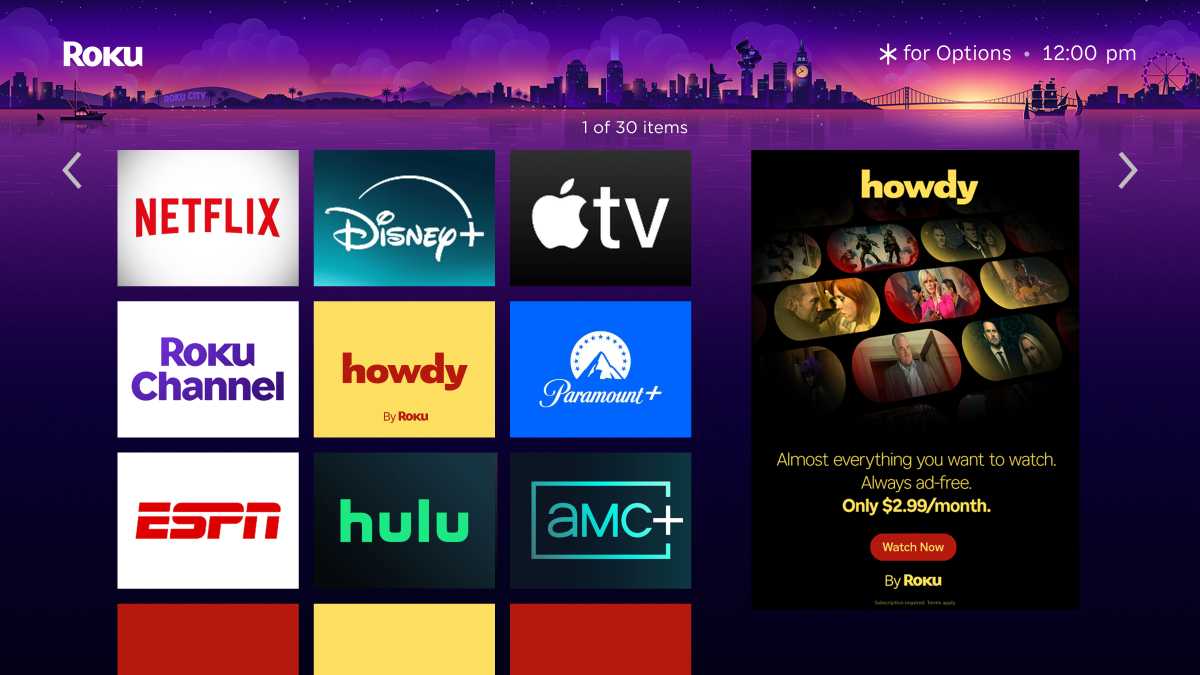
This is a gap that Howdy could fill. Just as Netflix has managed to develop its streaming activity on the success of its DVD rental program, Roku can develop Howdy on the success of its streaming players and its Smart TV platform.
Shortly after, it could become what Netflix was: a successful and affordable streaming service that disrupts everything that preceded.
Register for the weekly Jared Cord Cutter newsletter for more information on streaming television every Friday.


