Trump’s emergency orders pushing coal power are “illegal” as well as dumb


The government issued 23 Section 202(c) orders during the 1940s and almost none in the decades that followed.
During the first Trump administration and the Biden administration, the Energy Department used electricity 12 times in response to requests from utilities or grid operators, usually to obtain permission to operate power plants briefly above emissions limits.
Since returning to power in 2025, Trump has used this power differently, ostensibly to benefit coal producers by preventing the closure of coal-fired power plants. The main difference is that this latest wave of orders, which began in May 2025 with the JH Campbell factory in Michigan, was not sought by factory owners.
“What the administration is doing now is using these 202(c) orders to override all the long-term resource adequacy and network planning that states, regional transportation organizations and utilities do,” Klass said. “And this is happening now saying, ‘We don’t care what any of you experts and planners have to say. We want to save the coal industry, and we’re going to use this emergency authority that’s not designed for long-term resource planning.'”
Consumers Energy, the utility that operates JH Campbell, had planned to close the plant and replace it with a less expensive combination of a natural gas plant and renewable energy already online.
Think about it in terms of the car you drive. You bought a new car and the government tells you that you have to keep your old one and keep driving it, even if it spews black smoke and costs more to run than the new one.
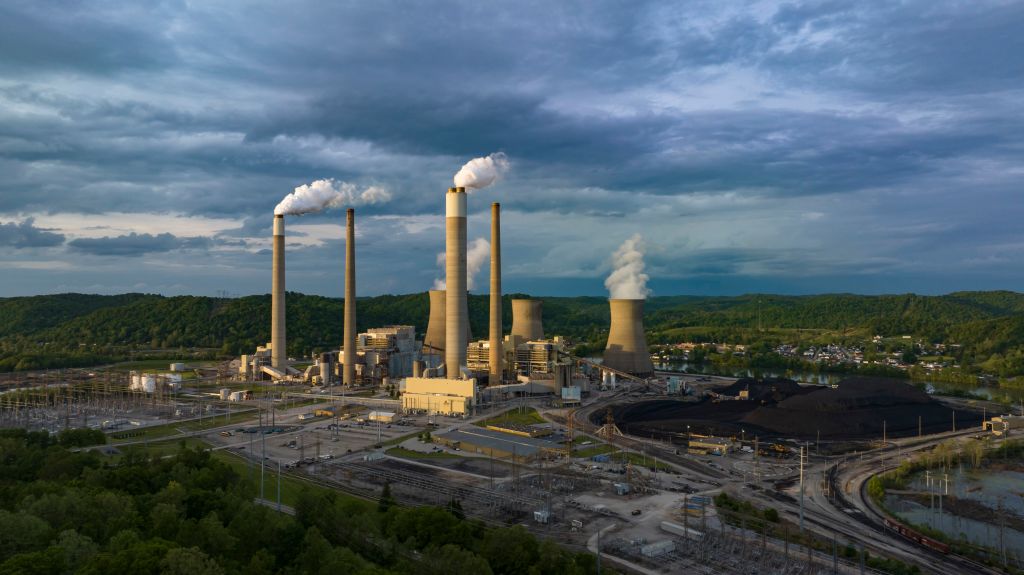
The JH Campbell Generating Station, opened in 1960, has a summer generating capacity of 1,331 megawatts. In 2024, it emitted 8.9 million tons of carbon dioxide, ranking it 19th among U.S. power plants, according to an analysis of data from the federal Energy Information Administration.
Last year, it obtained its fuel from the nation’s two largest coal mines by production, North Antelope Rochelle Mine and Black Thunder, according to regulatory filings. Both are based in Wyoming and owned by Peabody Energy and Core Natural Resources, respectively.


