‘Chemo brain’ may stem from damage to the brain’s drainage system


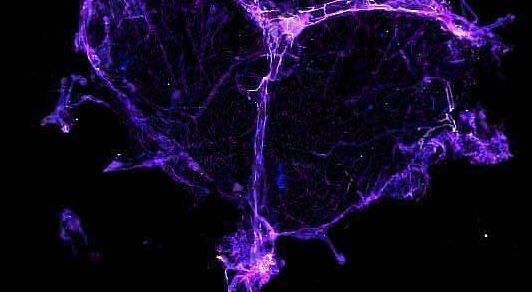
“Chemo brain” – difficulty concentrating, thinking and remembering induced by chemotherapy – may be caused by disruption of the brain’s lymphatic system caused by cancer treatment, a preliminary study suggests.
The study focused on the meningeal lymphatics, the drainage network found in the protective tissue layer surrounding the brain. The dysfunction of this network has been linked to Alzheimer’s disease, Parkinson’s disease And head injuries.
Using human and mouse cells, as well as live laboratory mice, researchers discovered that a common type of chemotherapy A drug that stops cancer cells from dividing, called taxanes, damages lymphatic vessels in the brain and limits their drainage. Normally, the ships would work in collaboration with the the glymphatic system of the brain to eliminate metabolic waste.
“Lymphatic health actually declined in all three models measured in different ways,” study co-author Jennifer Munsondirector of the Virginia Tech Cancer Research Center in Roanoke, Virginia, said in a statement statement. The vessels shrank and had fewer branches, which “are signs of reduced growth indicating that the lymphatics are changing or not regenerating in beneficial ways,” she said.
“Chemo brain” is a broad category of cognitive changes that follow chemotherapy and can last for years after treatment. “There’s really a lot we don’t know,” Munson told Live Science, but these cognitive impairments have previously been linked to oxidative stress and inflammationas well as impaired myelin production. (Myelin is a fatty insulator that covers nerve fibers.)
“Others had looked at the neural side, so we wanted to focus on the meningeal side,” Munson said.
To do this, Munson and his team used three models – human cells, mouse tissue and live mice – to assess whether chemotherapy drugs caused changes in meningeal lymphatics at different scales.
First, they used cell lines to construct a human cell model of healthy meningeal lymphatics. This model combines cells from the lining of lymphatic vessels with meningeal cells. This allowed the team to distinguish the isolated effects of chemotherapy on the function of each cell. They also cultured meningeal tissue from healthy mice in laboratory dishes to assess any structural changes triggered by drug exposure.
They found that the drug docetaxel disrupted cells in the human meningeal lymphatic model by reducing their coverage and length. The treatment also narrowed the vessels in the mouse tissues and reduced the number of loops in the network structure.
Next, the researchers conducted experiments on live mice, comparing the docetaxel-treated mice to mice not exposed to the drug. Mice with cancerous tumors that received the drug tended to have narrower meningeal lymphatic vessels, as well as fewer loops, compared to untreated mice.
The researchers wanted to see if these docetaxel-induced structural changes led to memory problems or behavioral changes. They found that healthy mice treated with docetaxel forgot objects they had previously seen, while untreated mice showed clear signs of remembering them. MRI treated mice indicated that these cognitive problems correlated with decreased fluid flow in lymphatic vessels, the authors wrote in the study.
Munson cautioned that this is an early-stage study and there remain many gaps in our understanding of the connection between “chemo brain” and meningeal lymphatics. She explained that one limitation of the research was that chemotherapy drugs were administered over relatively short periods of time, whereas courses of chemotherapy for human cancer patients often lasted months.
Similarly, memory problems experienced by mice were tested over a few days, whereas humans can sometimes undergo chemo brain treatment for years after treatment. “So it’s possible that these lasting effects that we see in [human] patients may have different mechanisms that may not be fully captured here,” Munson said.
It is important to replicate this research using samples from many individuals of different ages and compare the results between tumor-bearing and tumor-free mice, to see if there is a difference in how chemotherapy affects them, Munson said. She hopes that ultimately this research will provide a new target to treat this side effect of chemotherapy.
“Ultimately, this work highlights the need to consider not only survival, but also the often overlooked long-term neurological side effects of cancer treatment on cognitive well-being and quality of life,” study co-author. Monet Robertsassistant professor of biomedical engineering and mechanics at Virginia Tech, said in the release.
This article is for informational purposes only and is not intended to offer medical advice.