Chevron is operating in the middle of Trump’s pressure campaign in Venezuela


NEWYou can now listen to Fox News articles!
The Trump administration’s escalating crackdown on Venezuela-sanctioned oil shipments has put Chevron in an unusually precarious position.
As the last U.S. oil company remaining in Venezuela, Chevron operates in a high-tension space between Washington’s pressure campaign and the world’s largest oil reserves.
That campaign was on full display on Dec. 10, when U.S. authorities seized a nondescript tanker that was quietly transporting Venezuelan crude, one of the vessels in a shadow fleet that maintains supplies of sanctioned oil.
This week, Trump took the campaign to a new level, ordering a “total and complete blockade of all sanctioned oil tankers” heading to or from Venezuela.
“GHOST SHIPS” CARRYING ILLICIT OIL SAILED INTO TRUMP’S RECILITY
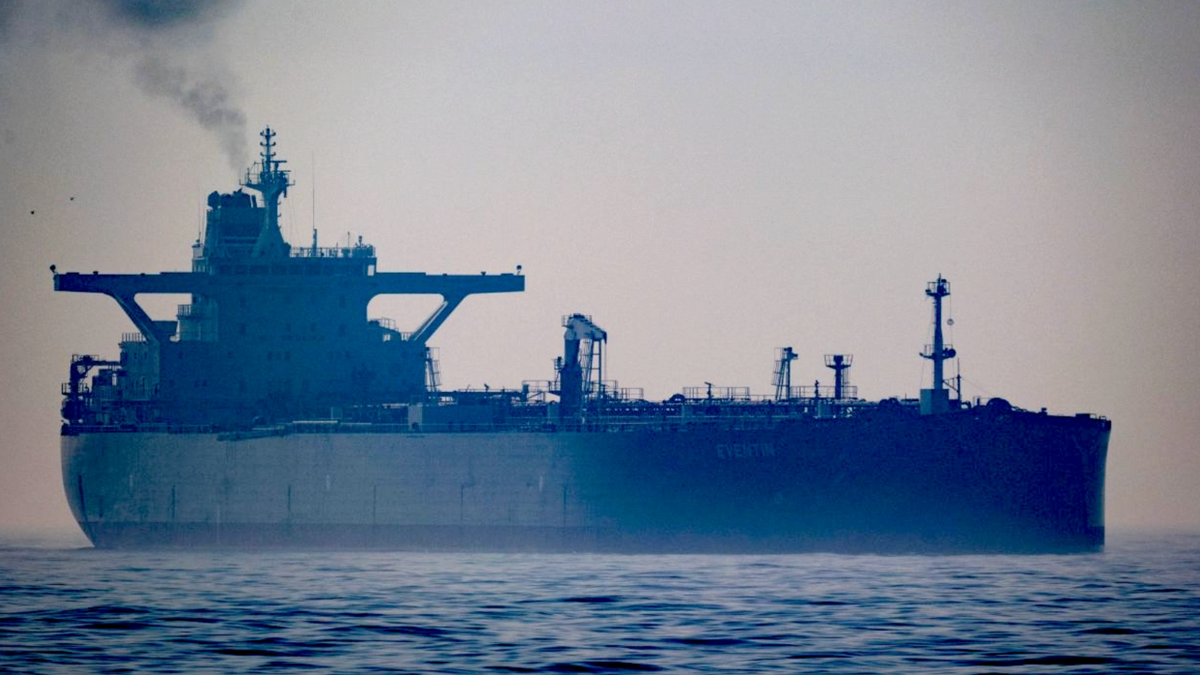
A view of the ship ‘Evetin’, which is widely considered part of the world’s ‘ghost fleet’ of tankers. (Stefan Sauer/photo alliance via Getty Images)
And even if Chevron is not the target of the blockade, the order still introduces new uncertainty for the company’s operations in Venezuela’s tightly controlled oil sector.
“In the case of Chevron, the U.S. government is allowing the oil to move, but it’s certainly a very sensitive place,” said Vanda Felbab-Brown, a senior fellow at Brookings’ Strobe Talbott Center for Security, Strategy and Technology.
But Chevron’s position is only part of the equation. Felbab-Brown noted that the administration faces significant limits in how aggressively it can enforce an oil tanker blockade.
“This is a major undertaking. The United States has the assets and the political will to do this to some extent in Venezuela,” she said, adding that “it would be very resource-intensive for the United States to seize every vessel or locate them.”
VENEZUELA HOLDS THE LARGEST OIL RESERVES IN THE WORLD. HERE’S HOW OTHERS COMPARE
Chevron, for its part, said its operations were not affected by the latest escalation.
“Chevron’s operations in Venezuela continue without interruption and in full compliance with the laws and regulations applicable to its activities, as well as the sanctions frameworks provided by the U.S. government,” wrote Bill Turenne, Chevron’s head of public policy communications, in a statement to Fox News Digital.
Chevron said in a statement to Fox News Digital that its operations in Venezuela continue without interruption. (Brandon Bell/Getty Images)
Chevron offered no assessment of the broader security environment, saying only: “Any questions regarding the security situation in Venezuela should be directed to the appropriate U.S. government authorities.” »
The American energy titan has had a presence in Venezuela for a century and is the only American company to remain there after the government forced Western companies into minority partnerships with national oil company Petróleos de Venezuela, SA (PDVSA).
CLICK HERE TO DOWNLOAD THE FOX NEWS APP
For the Maduro government, disruptions to oil shipments are central to its economic survival.
“Venezuela is completely dependent on oil,” said Benjamin Jensen, who directs the Futures Lab at the Center for Strategic and International Studies. “Anything you do that puts pressure on their ability to circumvent sanctions and oil trade is a direct threat to the economy and, by extension, to the regime,” he added.
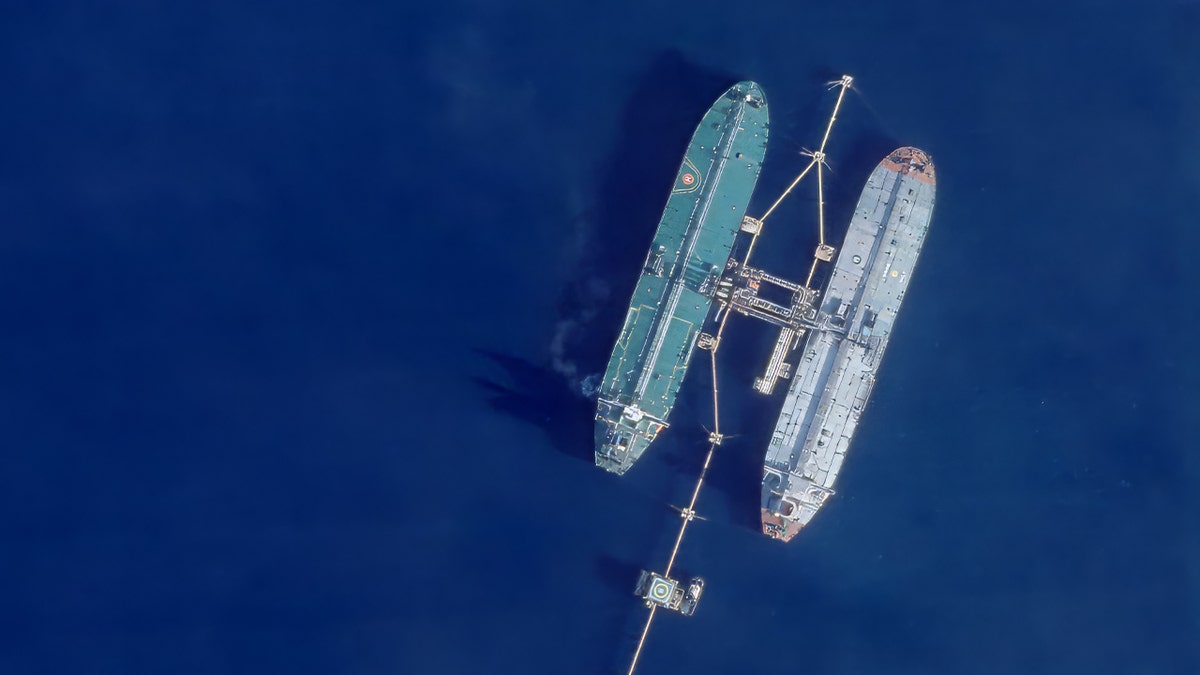
White House press secretary Karoline Leavitt said the United States intended to seize the tanker’s oil. (Planter Labs/PBC/handout via Reuters)
Diana Furchtgott-Roth, director of the Heritage Foundation’s Center for Energy, Climate and Environment, cast the blockade as a warning beyond Venezuela.
“President Trump is sending the message that this escape attempt sanctions and using the oil of rogue regimes will no longer hold,” she said.
“I don’t know how many ships will have to be seized before this message gets through,” she added.
How aggressively the administration enforces the blockade and how effectively Venezuela adapts will determine whether the latest move delivers a decisive economic blow or becomes another costly game of cat-and-mouse sanctions.


