Chip wars: What to expect from Intel, AMD, Nvidia, and Snapdragon at CES 2026


Each new CES is an opportunity to get a glimpse of the processors and platforms coming for the new year, even if they have already been announced. This year is no different.
Two of the three major arrivals have already been revealed, both involving laptops. Intel revealed its next-generation Core Ultra platform, “Panther Lake,” and Qualcomm announced its next-generation Windows on Arm mobile processor will be the Snapdragon Elite X2. Only AMD has yet to reveal what its next laptop chip will be, although its customers released a projected roadmap a few months ago.
But what is happening with desktop computers? And could Nvidia have something in store for the big show?
At the moment, it is impossible to know what PC manufacturers will announce at CES 2026. However, we can make some guesses. Here’s what’s expected to be revealed by Intel, Qualcomm, AMD and Nvidia.
Intel: It’s all about Panther Lake
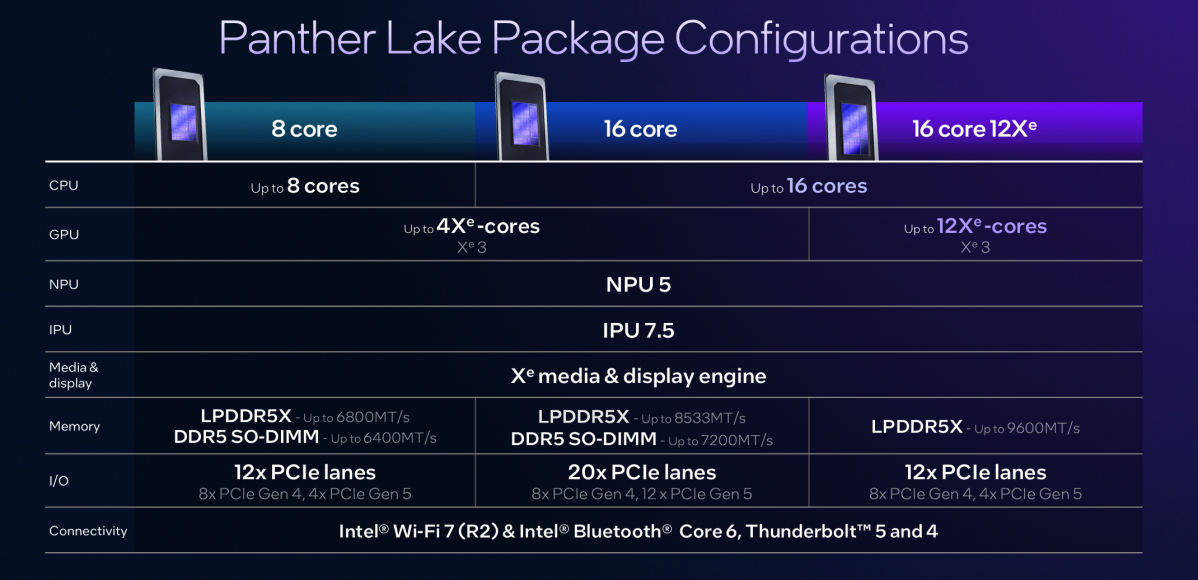
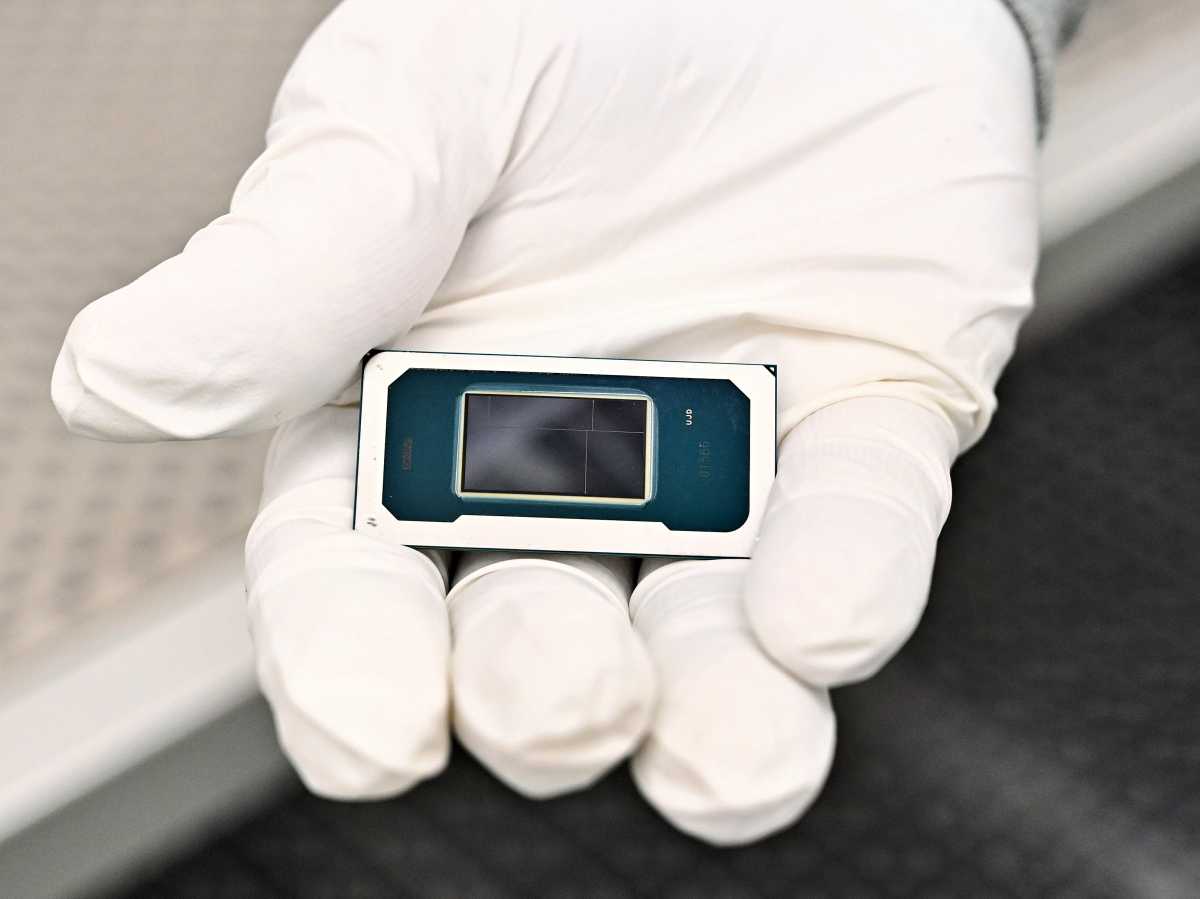
Obviously, Intel will launch its Panther Lake (Core Ultra 300) processors at CES 2026. Intel has already revealed some of the in-depth details of the Panther Lake architecture: a return to efficient, low-power cores as well as performance cores alongside the Xe3 graphics core and an improved NPU. Normally we stop there and start wondering about clock speeds and prices.
But wait! Intel really has three models to consider: an 8-core chip and a 16-core chip, and a version of the 16-core chip with 12 Xe3 graphics cores inside. Naturally, we would assume that the 12-Xe version would be the premium offering, but will PC vendors view this version as a challenger to the AMD Ryzen Max? I tend to doubt it, but it’s possible.
Intel
Intel still has a stranglehold on the laptop market. Its previous chip, the Core Ultra 200, was excellent, offering a potent mix of long battery life and decent computing power. Typically, Intel gives us the opportunity to do a little benchmarking at the show, then allows journalists to test the platform shortly after. I think that will probably continue to be the case.
In recent years, Intel has also introduced a few applications leveraging local AI. I suspect we’ll see something in that regard as well, perhaps with a focus on agentic AI.
Intel
It’s likely that Intel will also lay the groundwork for “Nova Lake,” its next desktop processor platform that the company has already revealed for 2026. Before that, however, so-called “Arrow Lake Refresh” chips are expected to debut, with minor adjustments to clock speeds and a slight upgrade in core counts (8 performance cores, 12 efficiency cores), especially at the lower tiers. But with Arrow Lake’s reception being just lukewarm and with small gains attached to refreshed parts, I wouldn’t expect Intel to do much talking.
Qualcomm: sell Windows on Arm
Mark Hachman / Foundry
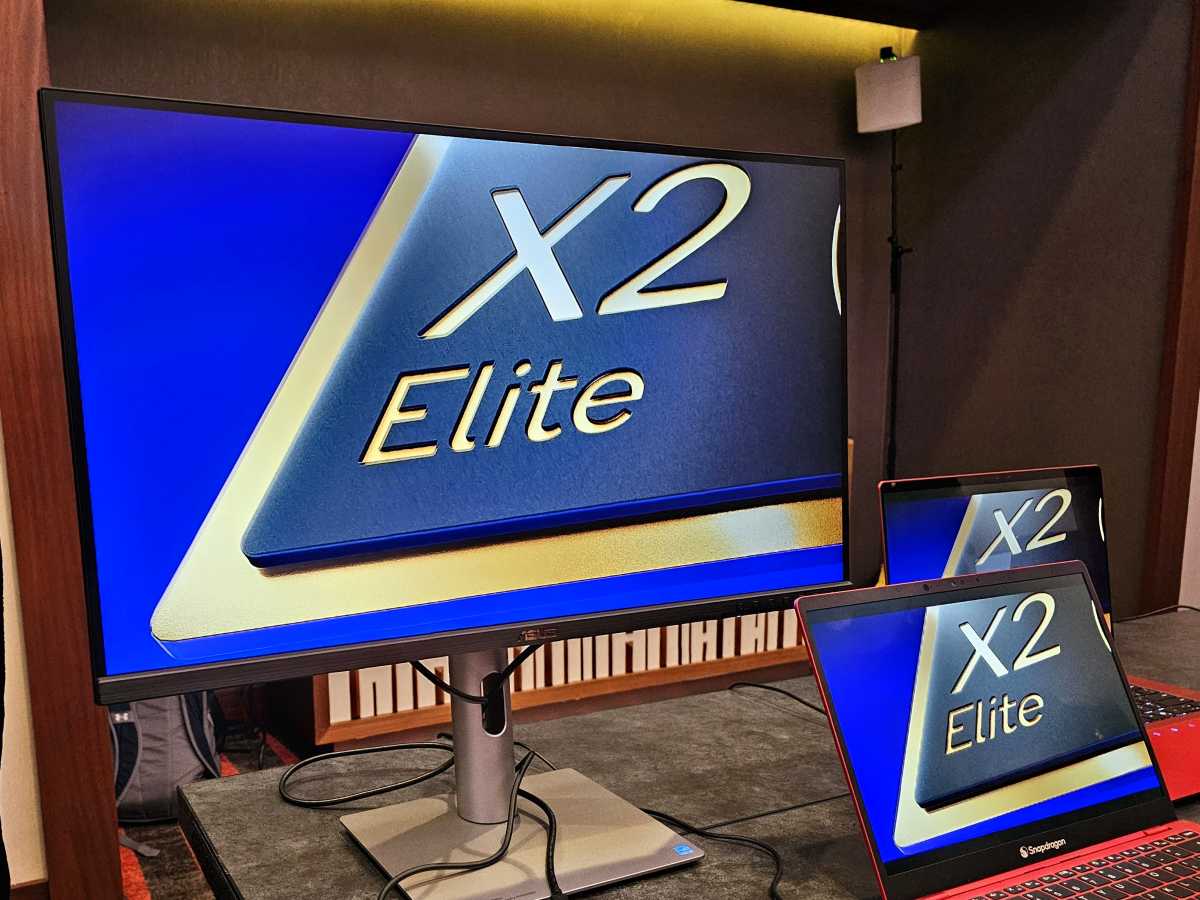
No real surprises here either. Qualcomm has already announced its Snapdragon X2 Elite platform with a variety of internal CPU cores that together push towards 5GHz and an industry-leading 80 TOPS.
No one really expects Snapdragon PCs to be gaming machines…and yet Qualcomm can never completely exclude gaming from the conversation either. Qualcomm claims the X2 Elite’s gaming performance has doubled, so expect to see more games played on Snapdragon laptops. But the great mystery is how many laptop makers will design around Snapdragon X2 Elite chips. Adoption of Snapdragon X Elite laptops has not been exceptional. But Microsoft and Qualcomm are determined to make Windows on Arm a reality.
Mark Hachman / Foundry
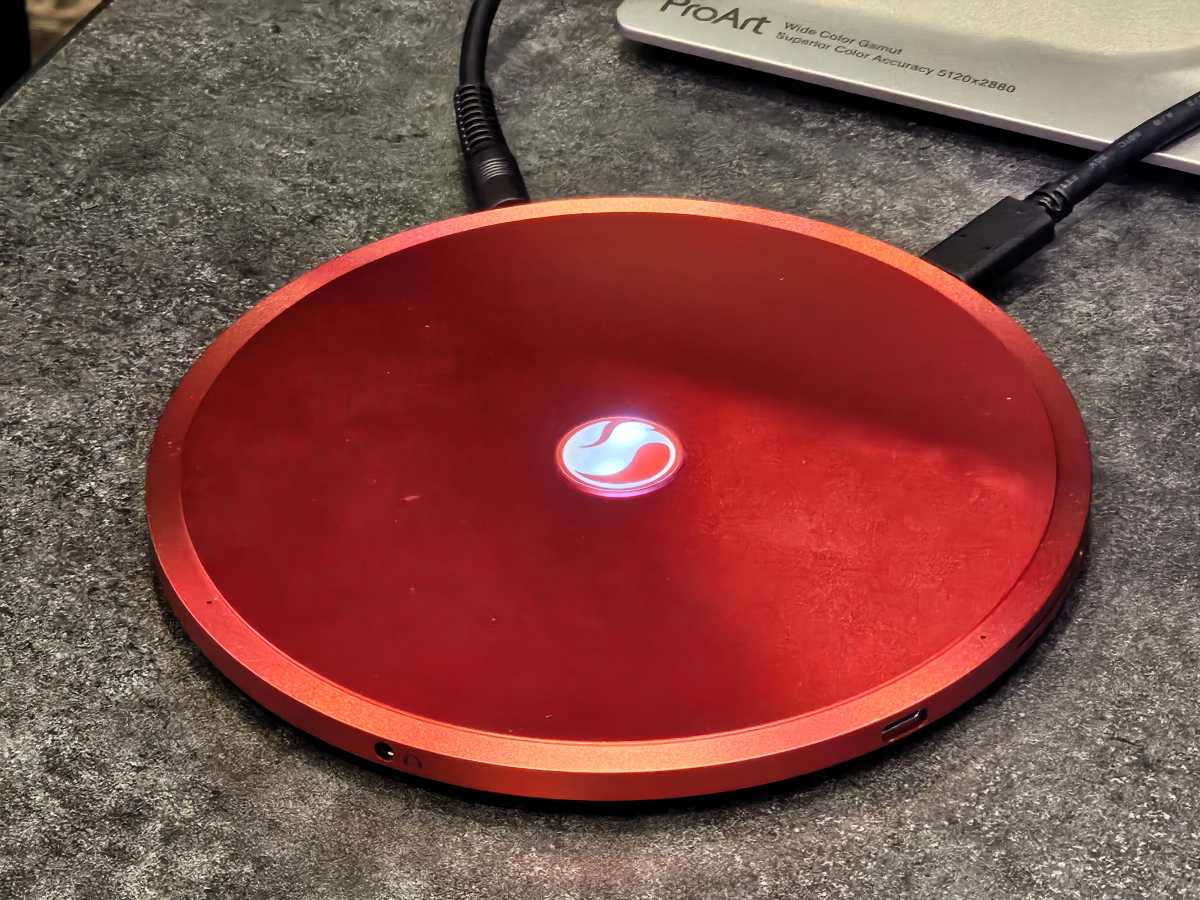
Will we see desktop announcements from Qualcomm? Almost certainly not as a separate chip, but the company showed off a radically small mini PC reference design as part of the Snapdragon XE2 reveal, as well as an all-in-one desktop with an XE2 system built into the base of the monitor stand, so anything is possible.
AMD: the one gamers want to buy
For gamers and enthusiasts, AMD has clearly won 2025, at least from a CPU perspective. Of course, you can focus on the Ryzen 9000X and its initial performance issues. But AMD rather won big with its Ryzen 9000X3D components, particularly the Ryzen 9 9950X3D: amounts of V cache also equaled amounts of performance. Remember when Threadripper was the chip that AMD fans couldn’t stop talking about?
What impressed me, however, was the quality of AMD’s Ryzen mobiles. AMD’s mobile processors have sucked for years (good riddance, A-series), but the Ryzen AI 300 checked the NPU box while delivering peak performance with good battery life. AMD is now ready to pass the torch from “Strix Point” to the Zen 5 “Gorgon Point” processor: the Ryzen AI 9 HX 470 has already leaked via Geekbench, running at 3.1 GHz with a total of 12 cores. This is a very good start, although I’m just as interested to see how this chip addresses the challenges of maintaining performance as well as long battery life. TechPowerUp noted that there is also a floating AI 5,430.
AMD
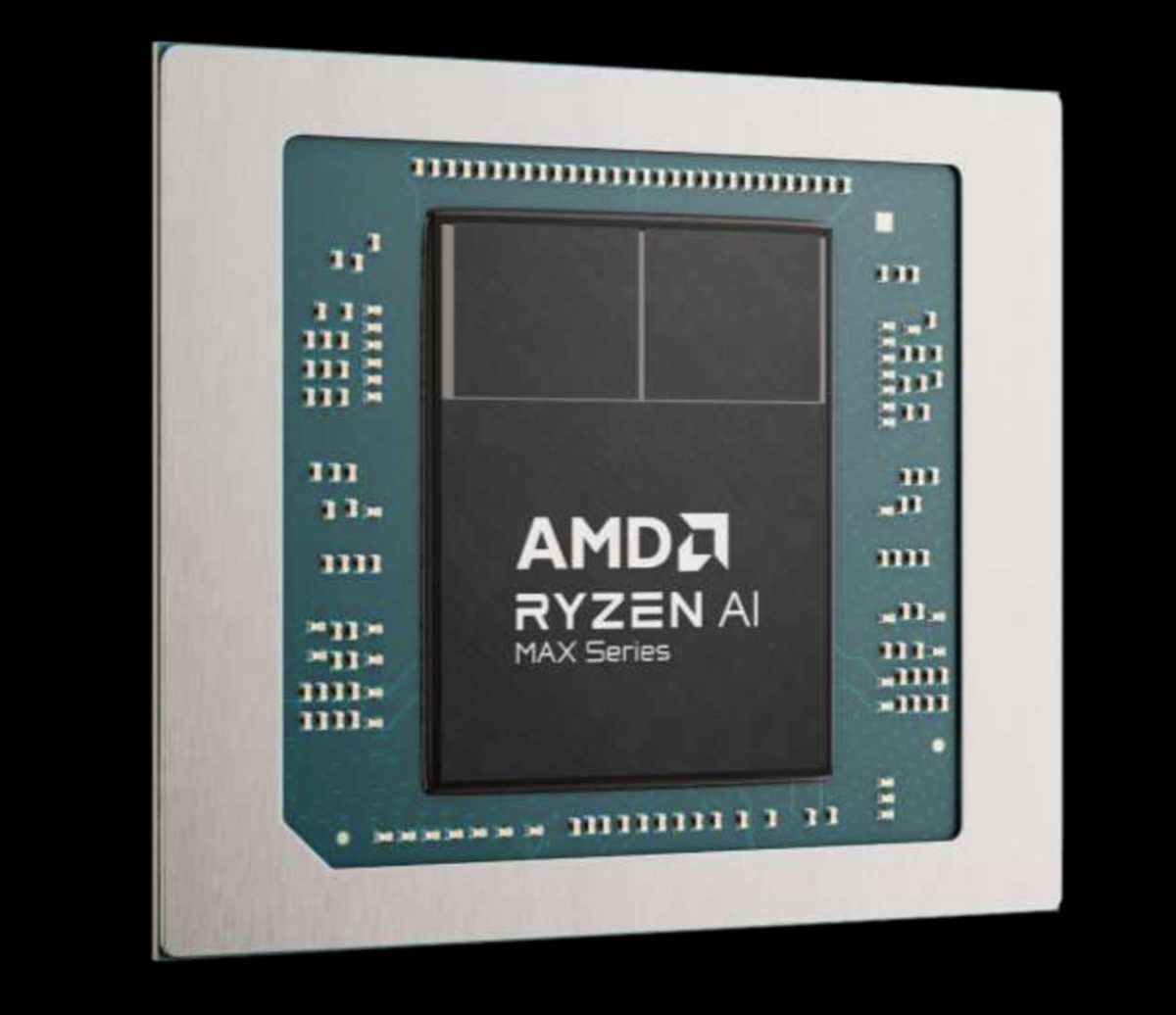
The joker? The Ryzen AI Max and Max+, which also use lots of cache, a large and fast memory bus, a large integrated Radeon GPU, and up to 96 GB of addressable memory. “Strix Halo” combines all three to allow the chip to serve as both a moderately powerful gaming processor and a vehicle for running local LLMs.
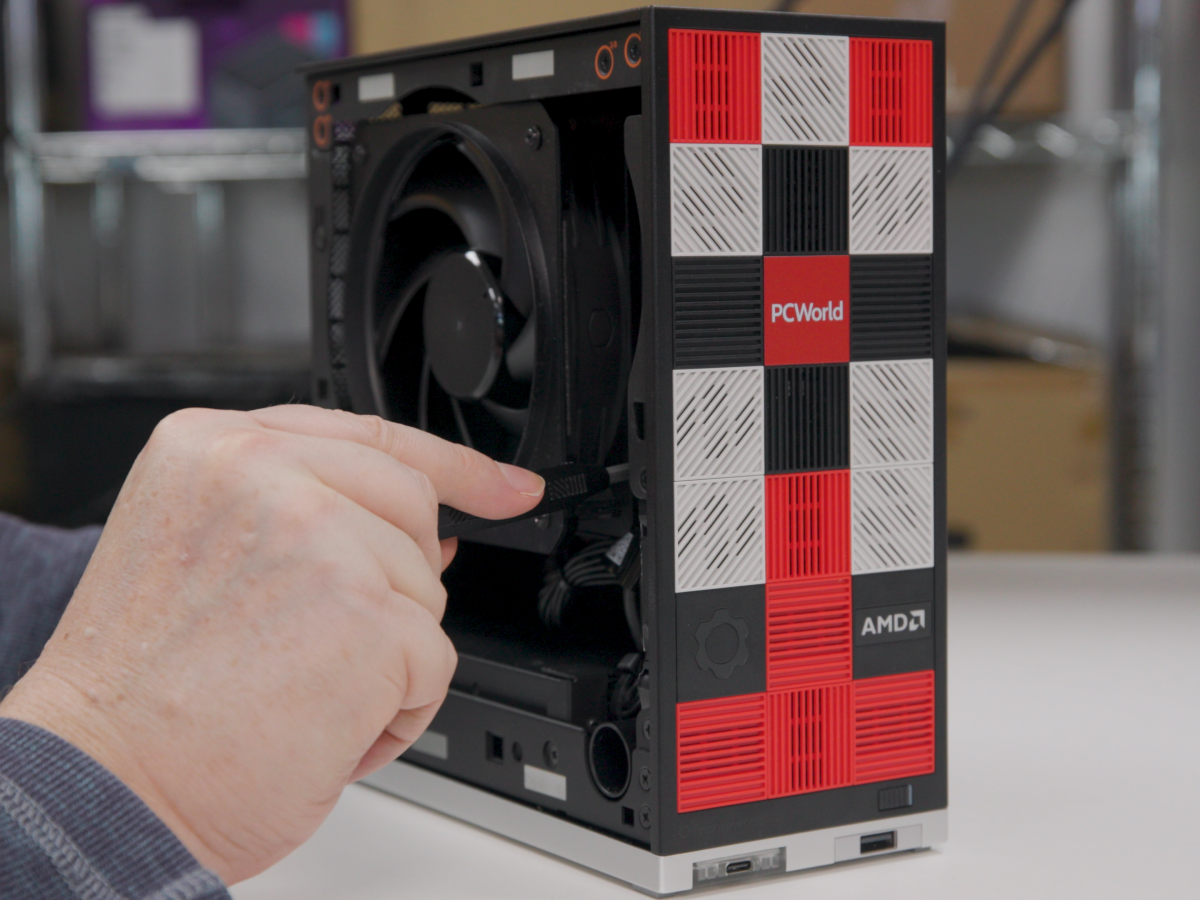
I tested the Framework Desktop PC with a Ryzen AI Max+ chip inside and loved it.
Alex Esteves / Foundry
If AMD just released Gorgon Point (and no other processor), I wouldn’t expect an improved AI Max chip yet, although I would look to the Gorgon Point chip for clues in that possible direction. AMD has made a lot of noise by upgrading its related ROCm software, which can improve application performance through software improvements alone. This is an easy win, and one that AMD will continue to bet on for months.
Returning to the desktop, rumors suggest we’ll see AMD reveal a new Ryzen 7 9850X3D chip with clock speeds 400MHz faster than the base 9800X3D, as well as a new generation of APUs with robust integrated graphics, dubbed the Ryzen 9000G series. These would bring the excellent “Strix Point” technology found in current AMD laptops to home PCs. We’ve also heard rumors of a new high-end Ryzen 9 X3D chip, which may happen, but seems much less certain.
Nvidia: Don’t expect new mainstream GPUs

Adam Patrick Murray / Foundry
The chipmaker with the bleakest outlook is undoubtedly Nvidia. Earlier this year, rumors of an “RTX 50 Series Super Refresh” with more memory and other tweaks swirled before dying down a few months ago. The recent extreme RAM crisis likely put paid to those ambitions, and we don’t expect Nvidia to announce any new desktop or laptop GPUs at CES, especially considering the entire RTX 50 series launched last year.
Nvidia often brings flashy new technologies and features to CES that have nothing to do with chip launches, like ACE AI companions for video game NPCs, Half-Life 2 RTX Remixand the “BFD” monitor push of yesteryear, so there may be some relevant news from Team Green. Surprises happen daily on the Las Vegas Strip. We’ve heard rumors that Nvidia might have something up its sleeve regarding monitor technology this year.
As CES 2026 approaches January opening week, PCWorld will be there. Stay tuned: the curtain rises on 2026.
Brad Chacos contributed to this report.