Rare flu complication causing brain swelling is rising in kids, doctors warn


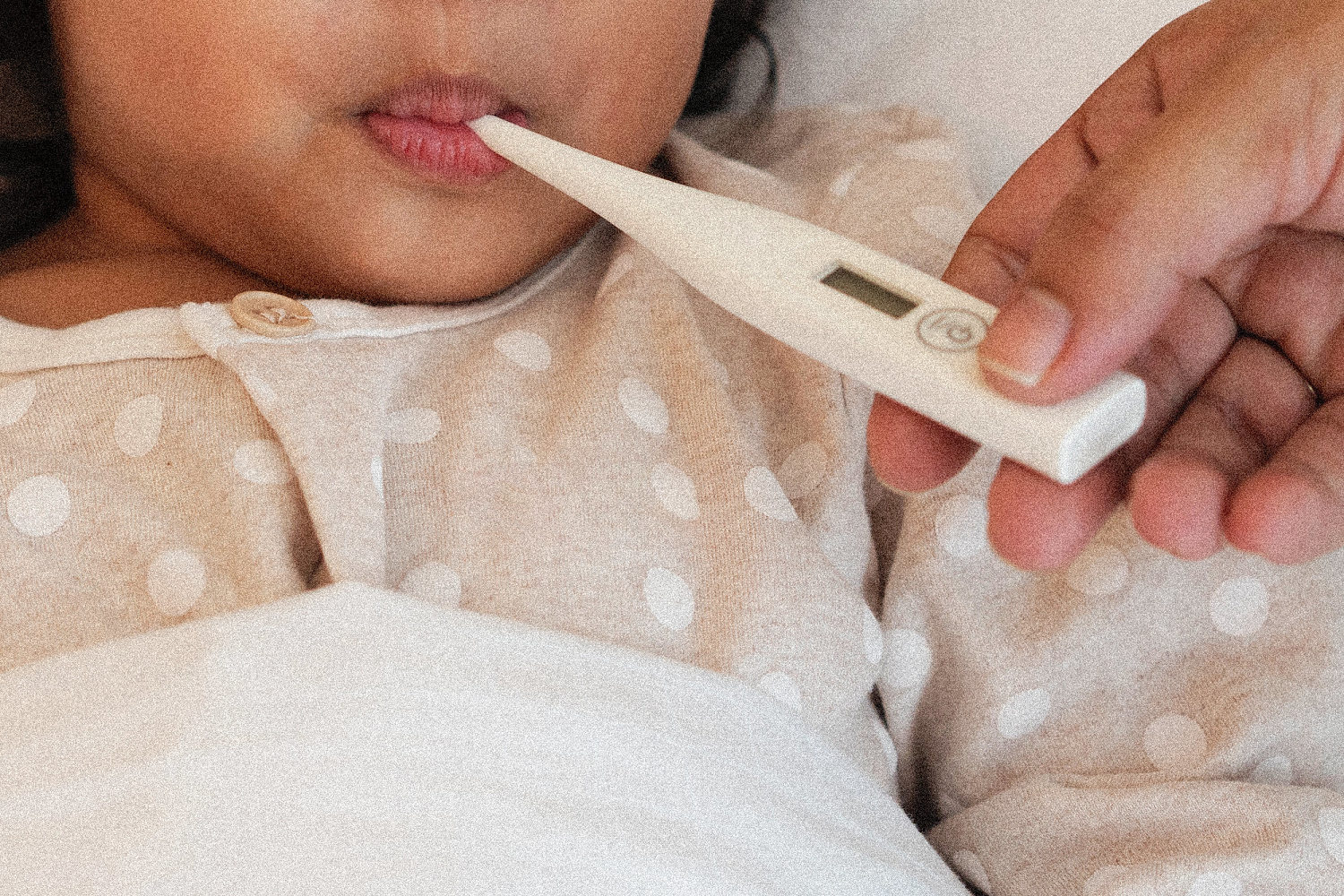
Severe flu seasons in recent years have highlighted an little known danger of seizures in children: a rare brain disease called acute necrotizing encephalopathy, or dasted.
This is a rapid condition generally triggered by the flu, causing sudden swelling of the brain. It is believed that the virus encourages the immune system to harass itself.
Touched children can pass symptoms of light flu with crises, coma or even death in a few days. Most are children without other health problems.
Historically, inflammatory disease is diagnosed in a handful of children each year. But in January and February last February, pediatric neurologists began to see an unusual increase in the ANE cases – and began to compare notes.
Dr. Molly Wilson-Murphy, a pediatric neurologist at the Boston children’s hospital, said: “We stood out to colleagues across the country and say:” Hey, do you see that? “And to recover a number of people very quickly by saying:” Yes, we too. “”
The collaboration led to the first major multicenter look on the ANE cases in the United States Wilson-Murphy is one of the more than 60 doctors who published their data on Wednesday in the Journal of the American Medical Association.
Doctors have identified 41 cases in the last two seasons of the flu. Most children were about 5 years old.
Brain inflammation has been rapid and severe in many cases. Eleven children (27%) died in three days, generally due to an accumulation of pressure in their brain fabric.
Children who were able to survive for at least three months often had lasting complications, such as the difficulty in walking, eating and the crises in progress.
Because the Ane is so rare, there is no specific treatment protocol. Most of the 41 children from the new study received steroids, antiviral drugs, intravenous immunoglobulins or a plasma exchange, which is like dialysis.
The reasons for the increase in cases are not known. But the report comes after the United States has experienced one of the deadliest influenza seasons for children: 266 pediatric influenza deaths, according to the centers for Disease Control and Prevention. At least three of these children died in June and July this year, far from the typical flu season.
Until now, there has been no official count of the ANE cases. The CDC began to follow them in February after hearing anecdotal reports from study authors.
Dr. Timothy Uyeki from the CDC wrote an editorial accompanying the new study.
“From the point of view of public health, the implementation of multi -year national surveillance” is necessary, wrote Uyeki, to understand the frequency in which Ane occurs and if certain children have specific risk factors.
Why influenza photos are important for children
The study authors highlighted the importance of annual influenza vaccines for children. Only six of the 41 children with ANE had been vaccinated.
This is particularly essential for children who have already had ane because they are at risk of starting again with a subsequent flu infection, Wilson-Murphy from Boston Children’s Hospital said.
Fewer children receive influenza photos in general.
During the 2023-2024 season, just over half of children, 55%, obtained the vaccine – the lowest rate in more than a decade.
“It is possible that it is a small role in this bump in cases,” said the co-author of the study, Dr. Keith Van Haren, a pediatric neurologist at Stanford Medicine in Palo Alto, California. “It doesn’t explain it all, however.”
And among the 266 children who died of flu last year, 90% had not been fully vaccinated, according to the CDC.
The American Academy of Pediatrics recommends every 6 month or more children to obtain a vaccine against annual flu, ideally by the end of October.
Young children who have never had the blow may need two doses, about a month apart.
ANE warning signs
In the early stadiums, the ane looks like typical flu symptoms. Children tend to have high fevers – 103 degrees on average – as well as a throat, cough and vomiting or diarrhea.
In about two days after the symptoms start, doctors say there is a marked difference in the mental state of children. They can have crises and become unusually weak and tired.
The behavior is different from typical lethargy associated with the flu, said Wilson-Murphy. The affected children do not recover, even after the ibuprofen or the acetaminophen. They do not make sense and cannot interact significantly.
“You feel that feeling of” mom “that something is wrong,” she said. “Parents must listen to their intuition and have their children checked as soon as they feel that something is turned off, neurologically.”

