Hungry mothers and dirty wards


Michael BuchananSocial affairs correspondent

 Getty Images
Starving mothers, dirty wards and poor care are blighting England’s maternity services as staff receive death threats for working in some units, a new report has found.
Baroness Amos, who chairs a review into maternity care, said what she has seen so far “has been much worse” than she expected.
Some women felt blamed for their babies’ deaths, while others suffered from a lack of empathy, care, or apologies when things went wrong, with poor and black mothers often finding themselves at the end of discriminatory services.
Health Secretary Wes Streeting, who set up the study, said “the systemic failures causing preventable tragedies cannot be ignored”.
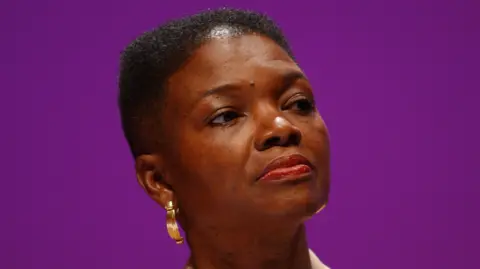
Speaking to BBC R4’s Today program on Tuesday, Baroness Amos said she was “confident… that changes would happen” following her review.
She said that although she did not have the powers conferred by a statutory public inquiry, she was seeking to identify “systemic changes” that could improve the quality of care in hospital trusts across the country.
She said she had heard stories of women being “left in… rooms for hours,” adding, “women are bleeding in the toilets.”
But she stressed that she was studying the most serious cases. “There is a lot of good care out there” and many trusts are doing “good work”, she said.
Streeting said Baroness Amos’ update “demonstrates that too many families have been abandoned, with devastating consequences”.
“I know that NHS staff are dedicated professionals who want the best for mothers and babies, and that the vast majority of births are safe, but the systemic failures causing preventable tragedies cannot be ignored,” he said.
The National Maternity and Newborn Survey aims to develop a series of national recommendations to improve maternity and newborn services, after previous surveys revealed problems but failed to produce sufficiently lasting improvements.
Baroness Amos’ final report will be published in the spring, but the interim report – her thoughts and first impressions three months after the inquiry began – highlights how deeply entrenched poor quality of care is.
The former UN diplomat said she recognized there was “skepticism” and “criticism” of her approach.
“Time and time again, families feel like the system has failed them. I really wish that didn’t happen this time. And I think the fact that the secretary of state is taking such a close interest in this is what will make a big difference.”
Several inquiries over the past decade, including inquiries into maternity services in Morecambe Bay, Shrewsbury & Telford and East Kent, led to 748 recommendations for improvements, according to Amos’ study.
Yet the harm continues: the largest maternity inquiry in the history of the NHS, examining around 2,500 cases in Nottingham, is due to report in June, while another inquiry was recently announced into care at the Leeds Teaching Hospitals NHS trust.
After visiting seven NHS trusts and meeting more than 170 families, Baroness Amos said she regularly met:
- a lack of cleanliness, women not receiving meals or getting help going to the toilet with catheters that are not emptied
- women are not listened to, including concerns about reduced fetal movement
- women of color, working class women, and those with mental health issues receiving discriminatory care
- NHS organizations ‘mark their own homework’ when babies die or have been harmed, with bad behavior including inappropriate language going unaddressed
The review also involved maternity service staff. Some reported receiving rotten fruit, while others reported receiving death threats following negative publicity or being attacked on social media.
Negative media attention could make it more difficult to provide high-quality care, they said, although it has also served as a catalyst for improvements.
Baroness Amos’ investigation is controversial. Some families believe that the limits of what they can do and the limited time they have to do it will mean that meaningful action cannot follow.
The Maternity Safety Alliance, which wants to see a statutory public inquiry into maternity failures, said initial considerations had “prioritized” the feelings of staff while downplaying the “avoidable harm that happens every day in NHS maternity services”.
“This is a completely wrong process to address deep and long-standing failings in maternity care and we don’t understand why. [Wes Streeting] allows this farce to continue. »
Streeting will chair a new national maternity and neonatal task force in the new year, which will be tasked with implementing Baroness Amos’ recommendations. He promised that families who suffered poor care “will remain at the heart” of what follows the review.
James Titcombe, a long-time campaigner for maternity safety since losing his son Joshua in 2008, said that while the issues identified by Baroness Amos “reflect long-standing issues that we have been aware of for years”, he supports her work as representing “the best opportunity in a generation to finally put maternity services on a safer path”.

Get our flagship newsletter with all the headlines you need to start your day. Register here.


