‘Cursed gummybear’ spotted in Lake Huron


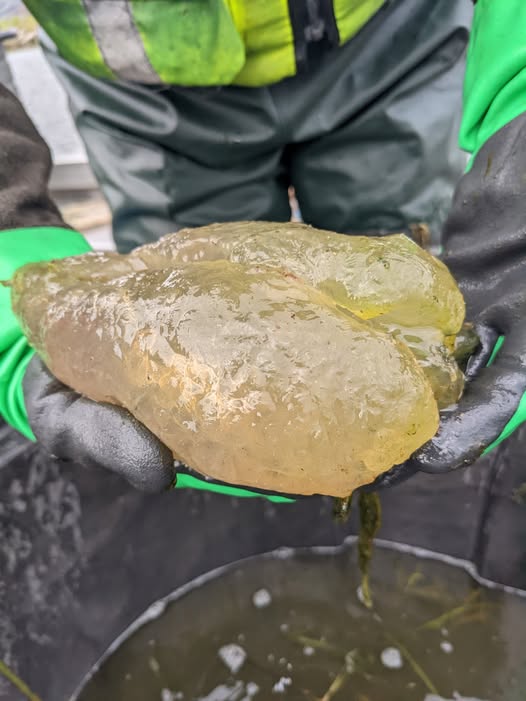
It is not an extraterrestrial here to conquer the world (which we know) or a scientific experience that has gone wrong. This gelatin blob is an invertebrate called Bryozoen, in particular the species Pectinatella Magnifica. It was spotted in Lake Huron by the Alpena Fish and Wildlife Conservation Office in Michigan and compared a “cursed gum”.
According to the United States Fish & Wildlife Service, these knotted blobs are not more than 4 millimeters (or 5/32 inch) wide. Their bodies are made up of calcium and chitine carbonate, the same material that forms crab shells. Bryozoans are in marine and fresh water habitats from around the world, including lakes, ponds and Varech beds.
In their aqueous houses, they feast on bacteria, diatoms and other small invertebrates. Bryozoa uses a unique power structure called Lophophore to eat these little creatures. According to the Monterey Bay aquarium, the lophophore is a U or circular ring of ciliated tentacles they use to filter food. They extend a crown of tentacles above its shell, then throw the tentacles into the water to catch small pieces of food.
They generally float alone for a certain time before forming colonies that work together for a mutual advantage. They are a bit like coral, except instead of building robust structures that last long periods, the bryozo structures are much more fragile.
“These ancient creatures breathe life in fresh water, capturing plankton and cleaned water as they derive in rivers and slow lakes,” wrote the USFWS. “Some colonies grow on a wide foot, gently punching with the current world, a secret world hidden in sight.”
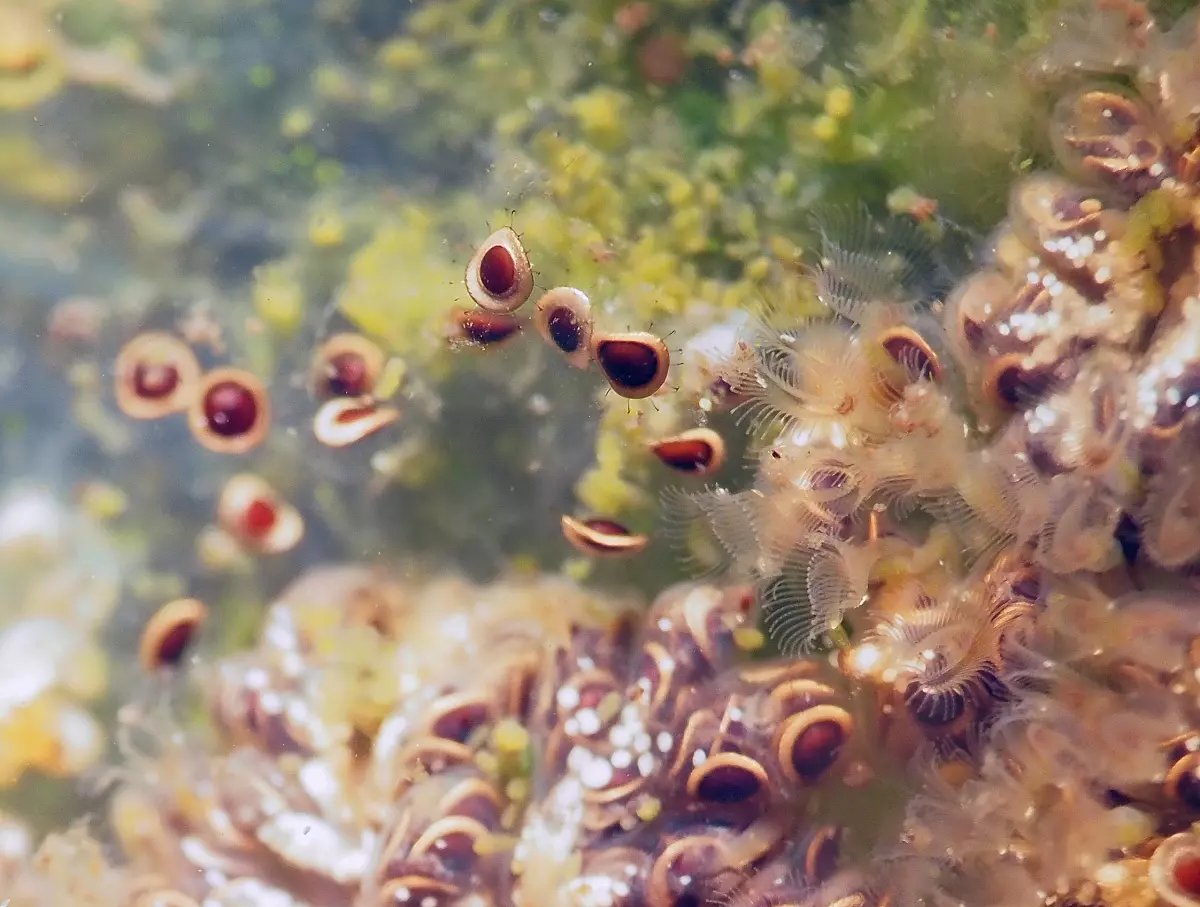
During the colder winter months, the bryozoars release statoblasts. These microscopic pods are expert survivors who can withstand drying, frost and even time. They remain dormant like the beauty of sleeping wood itself and only wake up when the conditions are good. Once the temperature increases enough, they will wake up and build new colonies.
Magnificent pectinatellaA is the most common bryozoan in the United States, but there are 4,000 known species in the world.

More offers, reviews and purchasing guides


