Deadly mamba snakebites stop muscles from working — but sometimes, antivenom can send them into overdrive


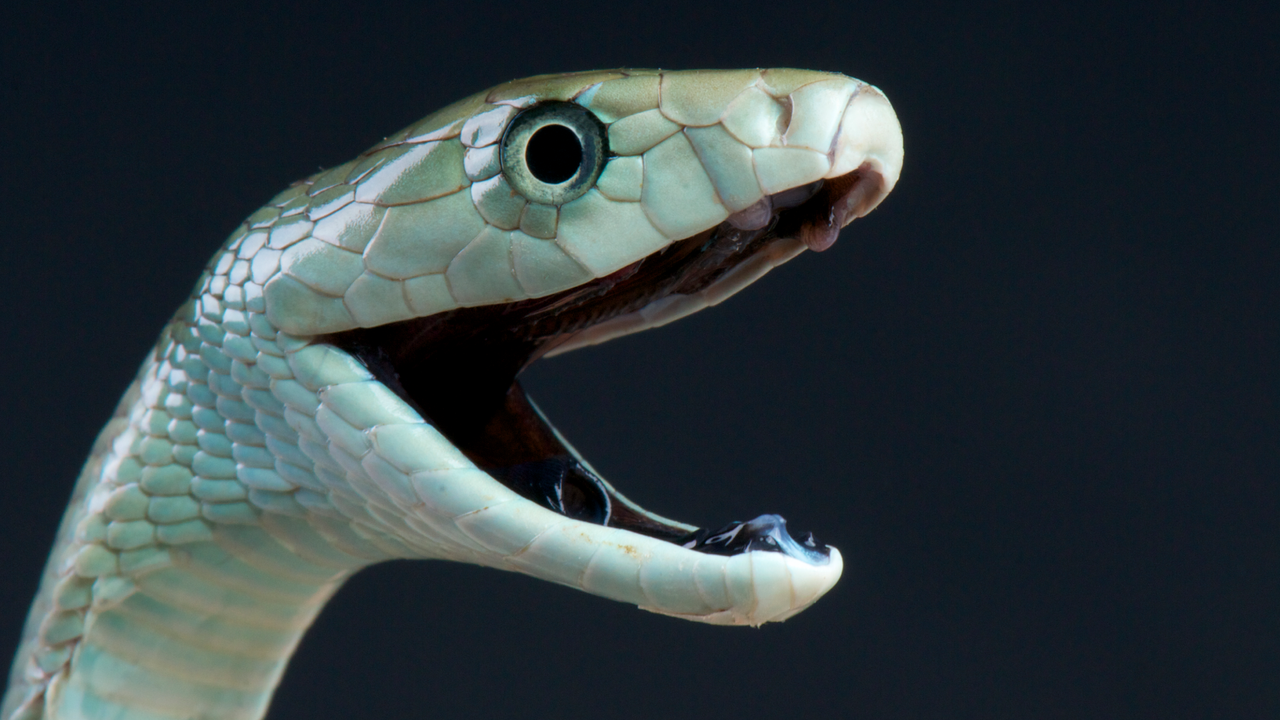
Symptoms of Mamba snake bites sometimes aggravate in patients after the administration of the Antifant – and scientists can finally know why.
The complex interaction of toxins and the anti -ending in the unmasks the neurological symptoms hidden of specific toxins in venom. These masked symptoms appear once the effects of other equally dangerous toxins are neutralized.
There are four species of mamba snakes, which belong to the genus Dendroaspis. Mamba bites are critical medical emergencies in sub -Saharan Africa, in particular those of the Black Mamba, which is considered One of the deadliest snakes in the world Because its bite is 100% fatal unless you are treated immediately.
Without rapid intervention, Mamba venom neurotoxins can lead to paralyzing death and cardiac arrest in less than an hour, contributing to the 30,000 deaths by snake bites in the region every year.
Mamba toxins attack the nervous system, mainly by “hacking” the nervous receptors on the muscles, co-author of the study Brian FryA molecular biologist at the University of Queensland, told Live Science. This prevents the nerve signals from the brain from reaching the muscles.
“You wouldn’t even know that it happens unless you are trying to do something, like walking or breathing,” said Fry. This effect – characterized by the incapacity of the muscles to contract – is known as soft or flabby paralysis, and existing anti -noms work well against the symptom. This form of paralysis is triggered by the venoms of three of the four species of Mamba: Western green, the Mamba of Jameson and the Black Mamba.
But there is a second way that Mamba Venoms acts, which has the opposite: it overloads the muscle with nervous signals, thus causing uncontrollable spasms. This is called rigid or spastic paralysis. “Instead cannot breathe because their diaphragm is completely soft, [now the patient] cannot breathe because their diaphragm is completely contracted, “said Fry.
Historically, scientists thought that neurotoxins behind rigid paralysis were only present in the fourth species, the venom of Eastern green Mamba. It was thought that venoms of the other three Mambas cause only a gemy paralysis. “What was not known is that [rigid paralysis] Also took place in the background with the other species, “said Fry.
Fry and his colleagues have tested how the venoms of the four Mamba species attack the nervous system, as well as the way in which three antiforms available in trade in Africa write these effects. They carried out these tests using neuromuscular tissues of laboratory animals, which allowed them to chemically stimulate a piece of chemical or electric muscle. The introduction of the venom of Mamba Green East caused spasms in the fabric, while the venoms of other Mambas have triggered any visible response-that is to say until they try to stimulate muscle and obtain no response because the venoms prevented the muscles from contracting.
The three anti -noms successfully treated the effects of paralysis of the box through all the species of Mamba, allowing the muscles to contract again. However, at that time, rigid paralysis settled in some cases, and the anti-noms have shown poor efficiency against this. In people bitten by Mambas, “spastic paralysis can be fatal but flaccid paralysis is more dangerous because it is generally a more powerful effect”, noted Fry.
The researchers also noted that the venom of the black Mamba – capable of killing with only two drops of venom – varied between snakes from Kenya and South Africa. Venoms varied both in the way they affected the fabric and how they responded to anti -noms.
“Knowledge of the geographic variation of venom is necessary to conceive of anti -noms which contain antibodies against all medically relevant toxins of species, no matter where the species comes from”, ” Andreas Hougaard Laustsen-KielA biotechnologist at the Denmark Technical University which was not involved in the study, told Live Science in an email. “The meaning of the study is that it shows that anti -noms must be optimized to neutralize the two types of toxins to be effective.”
Fry Next wants to throw a more complete and large -scale look on the black Mamba.
“We would like to map more specifically which Antifomnnom works better in a particular region,” he said, “who gives doctors the type of crucial data for the design based on evidence of clinical management strategies.”
This article is for information only and is not supposed to offer medical advice.


:max_bytes(150000):strip_icc()/Health-GettyImages-1468913827-e678d6fb37b84cabbd6f3431be129492.jpg?w=390&resize=390,220&ssl=1 "What Happens When Non-Small Cell Lung Cancer Becomes Metastatic?")
:max_bytes(150000):strip_icc()/Health-GettyImages-2213062284-4dfc94bf563a4927ba8c23452020fee6.jpg?w=390&resize=390,220&ssl=1 "I Drink Lemon Water Every Morning and Noticed These 3 Benefits in My Body")