Supreme Court makes it harder for music and movie makers to sue for copyright infringement

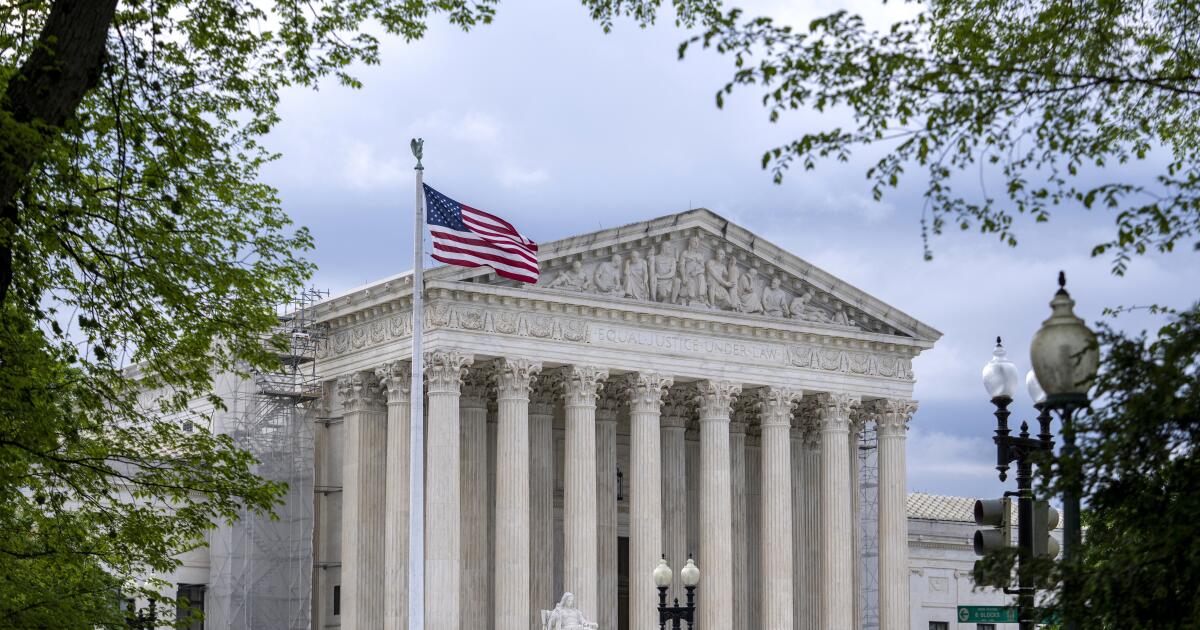
WASHINGTON- The Supreme Court on Wednesday made it harder for music and movie producers to sue for online piracy, ruling that Internet service providers are generally not liable for copyright violations, even if they know their users are downloading copyrighted works.
In a 9-0 decision, the justices threw out Sony’s lawsuit and billion-dollar jury verdict against Cox Communications for copyright infringement.
Lower courts upheld the lawsuit against Cox’s Internet service for contributing to music piracy, which the company did little to stop.
Sony lawyers cited hundreds of thousands of cases where Cox customers shared copyrighted works. Cautioned, Cox did little to stop it, they said.
But the High Court said that was not enough to establish liability for copyright infringement.
“Under our precedents, a business is not liable as a copyright infringer simply for providing a service to the general public with the knowledge that it will be used by some to infringe copyrights,” Justice Clarence Thomas wrote for the court.
Twenty years ago, the court sided with music and movie producers and ruled against Grokster and Napster on the grounds that their software was intended to share copyrighted music and movies.
But on Wednesday, the court said “contributory” copyright infringement does not extend to Internet service providers based on the actions of some of their users.
“Cox was providing an Internet service to her subscribers, but she did not intend for that service to be used to commit copyright infringement,” Thomas said. “Cox did not induce its users to commit violations or provide a service responsive to those violations.”
Mitch Glazier, president of the Recording Industry Assn. of America, said he was “disappointed” by the court’s decision because the case was “based on overwhelming evidence that the company knowingly facilitated the theft.”
“To be effective, copyright law must protect creators and markets from harmful infringement and policymakers should closely examine the impact of this decision,” Glazier said in a statement. “The Court’s decision is narrow, applying only to ‘contributory infringement’ cases involving defendants like Cox who do not copy, host, distribute or publish infringing material themselves, nor control or induce such activity.
In its defense, Cox argued that Internet service providers could be bankrupted by huge copyright infringement lawsuits, which they said they did not cause and could not prevent.
“This decision means the Supreme Court is not coming to the aid of the entertainment industry,” said attorney Michael K. Friedland. “The problem of copyright infringement is a technological problem. The modern Internet makes infringement very easy. This decision means that the industry will have to solve the problem itself – by developing its own technology to protect its intellectual property.”
Times Staff Writer Cerys Davies in Los Angeles contributed to this report.


