Diabetic man produces his own insulin after gene-edited cell transplant


A man with type 1 diabetes became the first patient to produce his own insulin after receiving genetically modified cell transplants, without the need for medication to avoid rejection.
The case, published this month in the New England Journal of Medicinemarks a potential breakthrough in the treatment of the disease, which affects 9.5 million People around the world.
Type 1 diabetes occurs when the immune system of a patient destroyed specialized cells, called islet cells, in their pancreas which are responsible for insulin production, the hormone that regulates our blood sugar. The condition can be managed with regular doses of synthetic insulin, but there is no remedy.
The islet cell transplants can provide a longer -term insulin supply for people with type 1. However, after receiving a transplant, the patient’s immune system can recognize the new organ as a foreign object, triggering a response that can destroy the transplanted tissue. Consequently, transplanted patients must take immunosuppressive drugs for the rest of their lives, which makes them sensitive to infections.
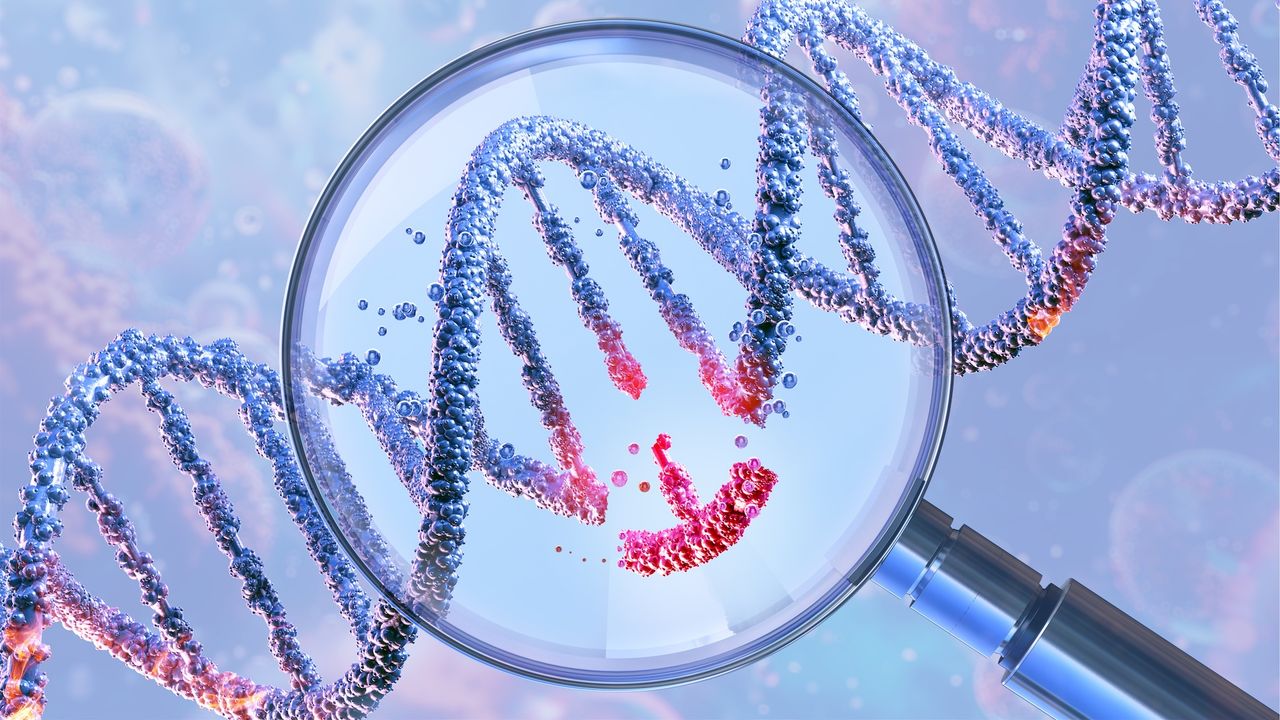
To overcome these obstacles, scientists from Sweden and the United States have transplanted cells from the pancreatic islets of a donor who had been genetically modified using CRISPR technology To remove the rejection by the recipient’s immune system. This is the first time that treatment has been tested on a human.
In relation: CRISPR ‘will provide remedies to genetic diseases that were incurable before,’ ‘explains the renowned biochemist Virginijus Šikšnys
Twelve weeks after receiving genetically modified cells, the transplantation recipient continued to produce insulin without immune response.
In their article, the authors wrote that their study, although preliminary, suggested that genetically engineering transplant cells to escape the receiver’s immune system were a precious tool to avoid the rejection of new cells or organs by the immune system.
In this new approach, the researchers used CRISPR to create three changes in the genetic code of given cells so that they are less likely to have an immune response.
Two of these modifications have reduced protein levels to the surface of cells which signal to our white blood cells to find out if a cell is foreign or not. A third modification stimulated the production of a protein that discourages the attack on other immune cells called CD47.
The genetically modified cells were then injected into the human forearm. His body left the modified cells alone and the surviving cells produced insulin as usual.
Although humans have received a low dose of the published cells and will always require daily insulin treatment, the case suggests that the procedure can be carried out safely.
The next stage of researchers is to carry out follow -up studies to find out if cells can survive in the long term, which would facilitate the management of the disease and potentially provide a remedy. They must also carry out other tests to determine if the approach works in other patients.



:max_bytes(150000):strip_icc()/Health-GettyImages-1278616875-4c3e5b2c2249447bb175c70077df6bed.jpg?w=390&resize=390,220&ssl=1 "5 Health Mistakes We Made So You Don’t Have To")
