Diagnostic dilemma: A doctor discovered the gene mutation behind his family’s mysterious missing-teeth condition


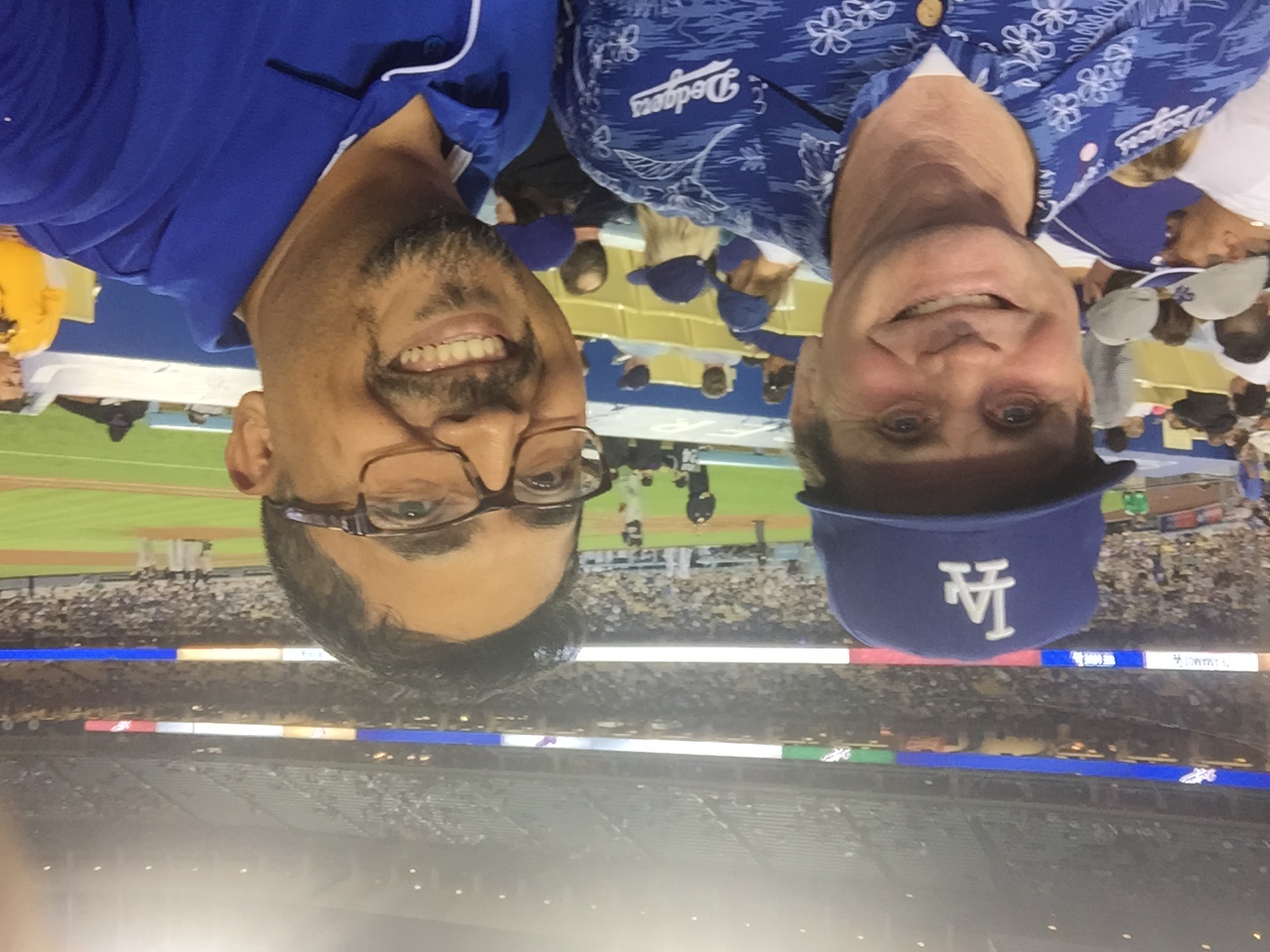
The patient: Dr. John Grahamprofessor of medical genetics and pediatrics at Cedars-Sinai in Los Angeles
The symptoms: Most newborns I have no teethbut Graham already had some when he was born. These teeth fell out very soon after birth, but adult teeth never replaced them – a condition known as dental agenesis. Over time, however, the rest of Graham’s mouth filled with teeth.
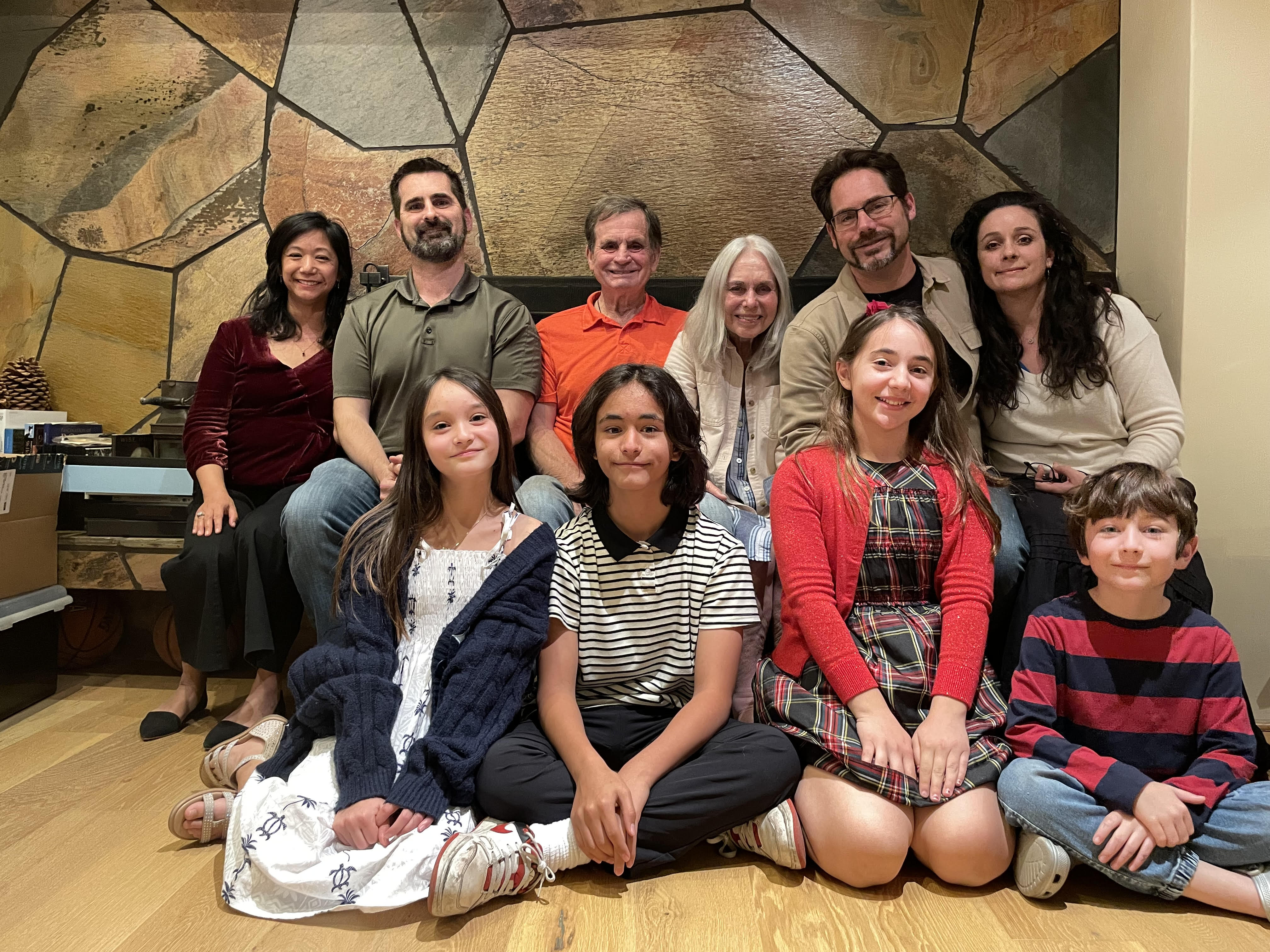
What happened next: Throughout his adolescence and adult life, Graham faced self-confidence issues and underwent several expensive dental implants. And he wasn’t alone: His mother and siblings, as well as Graham’s children and grandchildren, also suffered from the condition, strongly suggesting that the condition was genetic.
After receiving his medical degree, Graham began searching for a genetic cause of the disease.
With genome sequencing tools available in 2010, Graham struggled to identify the hidden mutation among the About 20,000 protein-coding genes in the human genome. These early sequencing tools from more than a decade ago revealed that a long stretch of DNA sequences on chromosome 1 was likely involved, but that came with more than 311 mutations to study, hardly limiting the research.
Some of these mutations could even be due to sequencing errors. With the technology available, “the data quality was just too noisy,” said Dr. Pedro Sánchezdirector of pediatric medical genetics at Cedars-Sinai Guerin Children’s Hospital.
Graham was preparing to retire and simultaneously stop the search for the problematic gene when Sanchez offered to help Graham continue his quest.
“He was my mentor in medical school,” Sanchez told Live Science. “He motivated me to go into medicine, into genetics.” Graham had spent his career helping to diagnose other families’ illnesses, but had yet to identify his own. “Right before he retired, I said, ‘I have to do this for you,’” Sanchez said.
To narrow down the genetic cause, Sanchez and colleagues sequenced and compared the genomes of both affected and unaffected family members to isolate mutations unique to individuals with missing teeth. One mutation matched these criteria and was in the same part of chromosome 1 that Graham had previously explored.
The diagnosis: The mutation caused a change in one letter of the gene that codes for a protein called keratinocyte differentiation factor 1 (KDF-1). The protein regulates the development of skin and teeth.
To validate the mutation as the correct one, the team sequenced the gene in 21 family members. They found that the variant appeared in 11 affected people and was absent in 10 unaffected people. This cemented the genetic variant as the likely cause.
Picture 1 of 2
Using computer modeling, Sanchez and his team simulated the shape the KDF-1 protein would take with and without the presence of this mutation. This revealed that the mutation changed an essential building block of the protein, thereby destabilizing and distorting the protein. Such an overt change could lead to loss of the protein or impair its function in tooth development, thereby causing disease. They reported this discovery in the International Dental Review.
The treatment: Tooth agenesis remains incurable, but the discovery has given Graham and his family closure. Ultimately, this discovery could lead to earlier diagnosis, the researchers believe.
Sanchez also said the finding could help encourage dental insurers to cover the cost of implants for affected patients, rather than treating implants as non-essential cosmetic procedures. “Tooth agenesis is not a cheap problem,” he stressed, adding that it is important to cover dental operations because missing teeth could predispose adolescents to mental health problems. Tooth agenesis can also cause chew and talk more difficult.
What makes the case unique: Dental agenesis involving one tooth can occur up to 10% of Americansbut the severe form affecting several teeth — as observed in Graham’s family — occurs in less than 0.5% of people.
This rarity likely comes from the location of the mutation: a critical site in the KDF-1 gene that evolution has left virtually intact. In addition to studying the gene in humans, the team examined 421 animal species and found that no more than 10 species had evolved a different genetic variant at this site.
Doctors not only solved Graham’s medical mystery; they mapped a crucial site on a protein important in human development.
For more intriguing medical cases, check out our Diagnostic Dilemma Archives.
Graham, JM, Sanchez-Lara, PA, Ohazama, A., Kawasaki, K., Arold, ST, and Kantaputra, PN (2025). A novel KDF1 variant is associated with multiple natal teeth, tooth agenesis, and poor root development. International Dental Review, 75(4), 100860. https://doi.org/10.1016/j.identj.2025.100860


