These Three Species Have Eased Back From the Brink



Explore
Ggreen sea turtles are back. Right whales are becoming more and more numerous. A Virginia fish has a lot more room to swim. In what seems like a rare moment, a handful of endangered species have recently seen conservation progress.
Here are some of the species making a comeback at the moment:
Green sea turtles
These charismatic marine reptiles are thriving, according to a recent report from the International Union for Conservation of Nature (IUCN). The IUCN’s decision to change the species’ conservation status – from Endangered to Least Concern – came primarily from data showing a 28 percent increase in the average annual abundance of egg clutches, which green turtles lay and bury on sandy, tropical and subtropical beaches around the world.
ADVERTISEMENT
Nautilus members enjoy an ad-free experience. Log in or register now.
Green sea turtles can grow three to four feet long and live up to 70 years or more. They are also slow to mature, only reaching reproductive age in their 20s and 30s. Their recovery speed may therefore be slow. The researchers documented about 526,000 egg clutches per year in 2024, while the previous year the average was closer to about 419,000 per year. Each individual clutch can contain up to 120 eggs. Although many eggs and young turtles do not survive to create their own clutches. Protection of sensitive nesting beaches, limits on incidental capture of turtles in fishing gear, and laws prohibiting turtle hunting have likely contributed to their recovery.
While this is promising news, the IUCN warns that the increase in turtle numbers is uneven. Some subpopulations are not yet seeing better days – for example, green turtles in the northern Indian Ocean are still listed as “vulnerable” and in the Maldives they remain “endangered,” according to the Olive Ridley Project, a non-profit sea turtle rescue, conservation and education organization. “These local and regional disparities remind us that progress in one part of the world does not mean security everywhere,” the organization said in a statement.
North Atlantic right whales
These enormous marine mammals have not yet completely moved away from the precipice of extinction. But North Atlantic right whales have experienced several consecutive years of population growth. More recently, the North Atlantic Right Whale Consortium shared an estimate indicating that critically endangered species increased by 2.1% between 2023 and 2024.
ADVERTISEMENT
Nautilus members enjoy an ad-free experience. Log in or register now.
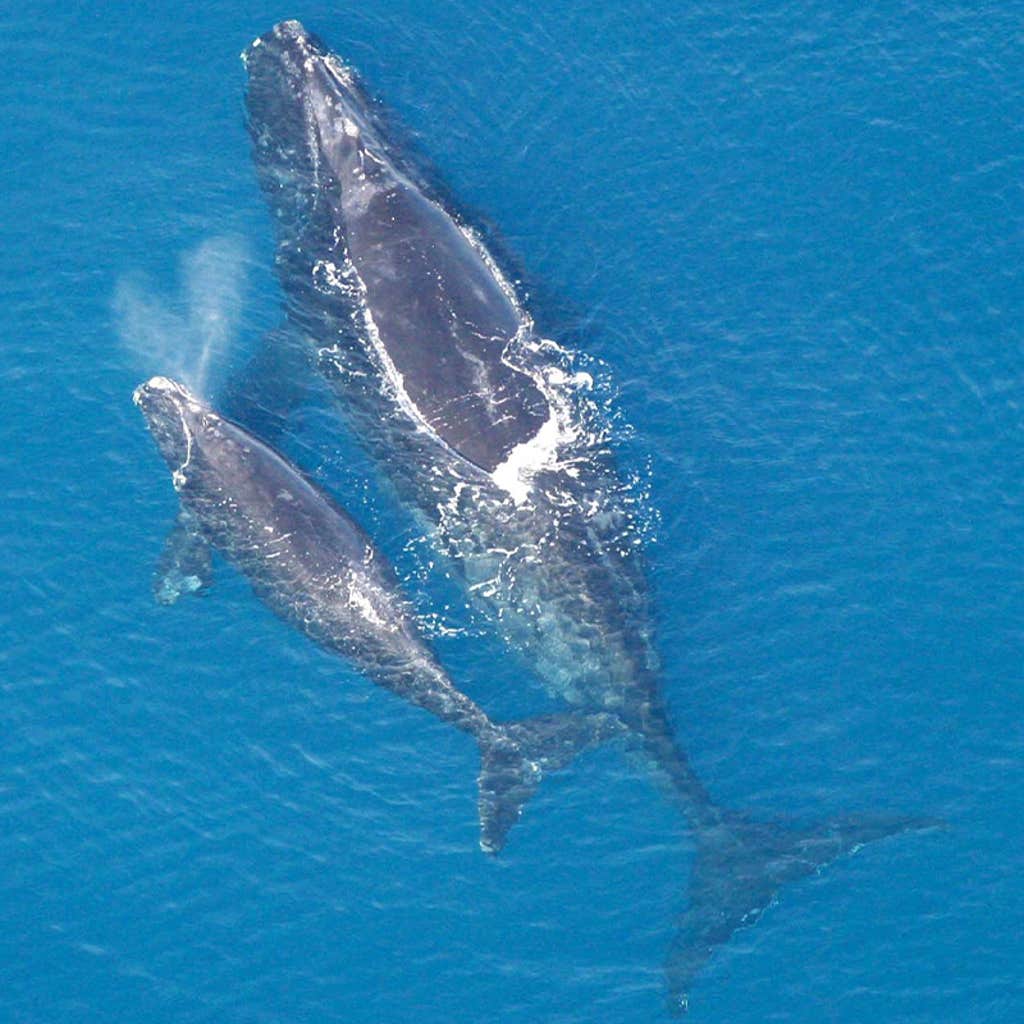
North Atlantic right whales can grow over 40 feet long and tend to travel in pairs. However, the total number of whales is small – there were an estimated 376 whales in 2023 and 384 in 2024 – and their total increase is therefore modest. But this small increase in numbers is the latest in a few years of such an increase after an estimated low of 350 whales in 2020. Right whales were hunted to extinction until the 1960s, when bans on commercial whaling came into effect around the world.
Researchers closely monitoring the species’ population have noted no deaths and fewer significant injuries from boat strikes, as well as some whales giving birth for the first time. “The slight increase in the population estimate, coupled with no detected mortality and fewer detected injuries than in recent years, leaves us cautiously optimistic about the future of North Atlantic right whales,” Heather Pettis, who leads the North Atlantic Right Whale Consortium, told PBS News.
Populations have increased previously, and in 2011 there were approximately 481 of these mammals in the sea. So, with such a low population, robust conservation measures will be needed to ensure the long-term viability of the whale population. “What we’ve seen before is that this population can turn around on a dime,” Pettis said.
ADVERTISEMENT
Nautilus members enjoy an ad-free experience. Log in or register now.
Roanoke Pyre
This pretty fish, a species of freshwater darter that inhabits the streams and rivers of Virginia and North Carolina, was recently upgraded from “endangered” to “vulnerable” in the eyes of the U.S. Fish and Wildlife Service. When it was listed as an endangered species in 1989, the Roanoke perch swam in only 14 streams within its range. By 2019, that range had more than doubled, to 31 streams in Virginia and North Carolina.
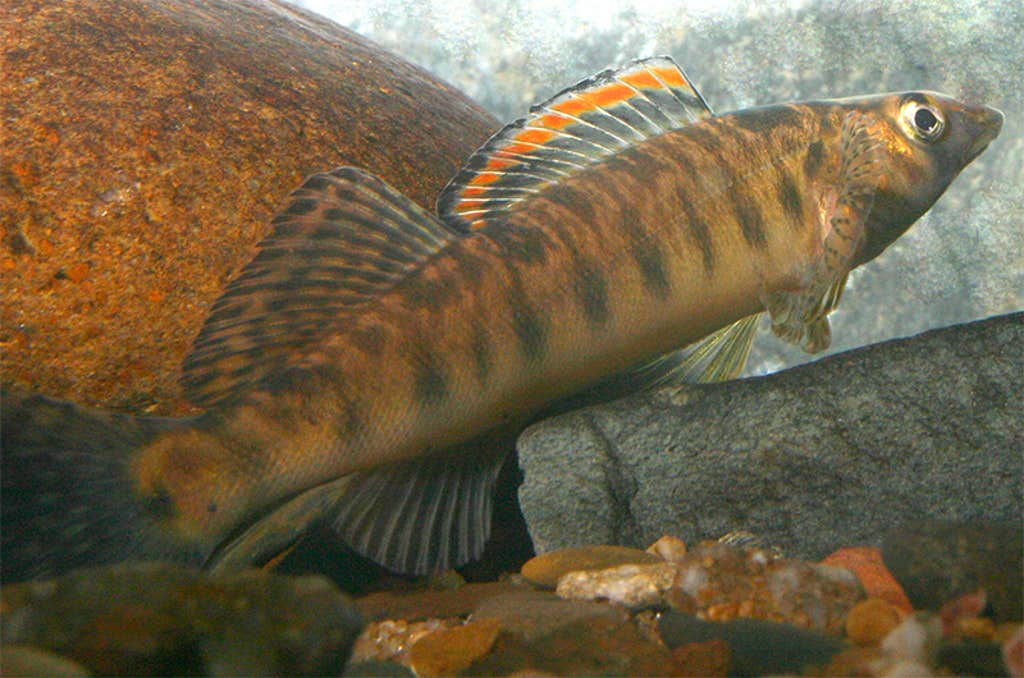
The key to successful fish recovery? Removing dams, then restoring and connecting thousands of miles of habitat, where Roanoke hogsheads feed along rocky stream beds, sucking up aquatic insects and other prey. Once the habitats were restored, conservation groups reintroduced the fish there, increasing overall populations.
ADVERTISEMENT
Nautilus members enjoy an ad-free experience. Log in or register now.
But some conservation groups are urging caution, saying the U.S. Fish and Wildlife Service has not adequately considered the impacts of a natural gas pipeline called the Mountain Valley Pipeline, which began operating in June 2024. Additionally, devastating hurricane flooding in North Carolina last year disrupted many freshwater ecosystems in the species’ range. fish. “The efforts and investments of agencies and organizations to reconnect and reintroduce the Roanoke pyre to its former habitats should be celebrated, but a complete delisting seems premature as threats to the region from pipeline construction and hurricane flooding remain,” said Ridge Graham, program manager for Appalachian Voices North Carolina, in a press release. “It is difficult to re-list a species once it has been delisted. »
Main image: Kris Mikael Krister / Wikimedia Commons.