Does cannabis raise the risk of cancer?


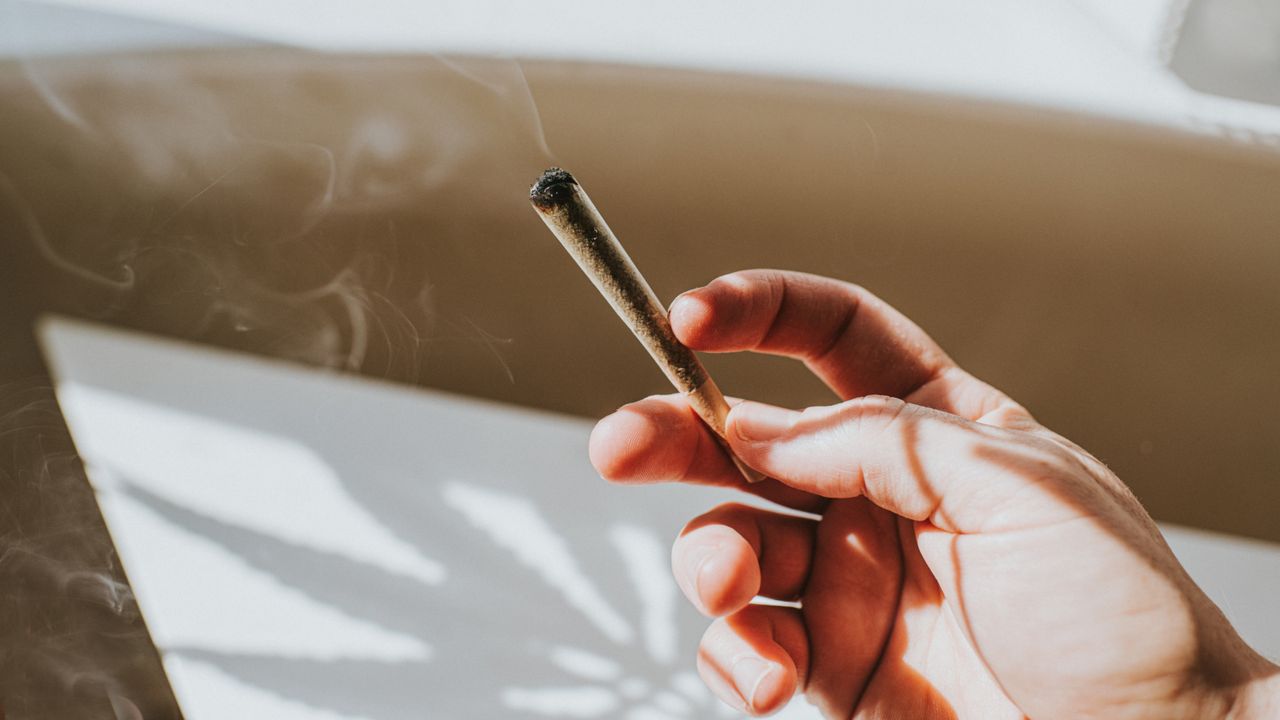
Cannabis smoke may seem softer than that of tobacco, but this impression of marijuana can be misleading. At the bottom of the lungs, the chemistry of the drug is far from being benign, suggests recent research. Some studies have even linked heavy cannabis consumption to an increased risk of certain cancers, including those of the head and neck.
So, is there a clear link between cannabis and cancer, and if so, what causes it?
Each cannabis smoke lung is a brew from tetrahydrocannabinol to high ingredients (THC), fine particles and certain carcinogens which are also in tobacco. But cannabinoids can bring their own torsion by quietly Rewiring les pourmes des pourons.
“The protective lining of the respiratory tract is weakening, antiviral signals vacillate and inflammation rashes,” said Raphael CuomoA scientist working at the intersection of prevention and dependence on cancer at the University of California in San Diego. In a study with mice, cannabis smoke finished both defenses to fight against tumors and infection. In another, THC blushed the effects of immunotherapyWeakening immune cells killing tumors in the body.
Cannabis also triggers other changes in the immune system, according to studies on humans, cells and laboratory mice. In the respiratory tract, protein levels linked to inflammation peak When cannabis is used consistently. A protein called muc5ac, which lines and protects the respiratory tract, is excess In some cells, alluding to changes in early tissue. Cannabis smoke can distort the enzymes that hold the tissues And Extinguish the genes who respond to toxins.
The responses of lung patrol cells – alveolar macrophages – can be slowed down. And in the blood, Changes in cell messengers called cytokines and low changes In epigenetic Become a molecular exposure journal.
In relation: Could cannabis treat cancer one day? Here is what science says so far
In summary, “cannabis smoke, from its toxic by-products to THC, can irritate the lungs and weaken immunity”, ” SAYANTAN BhattacharyyaA cancer systems biologist who studied molecular impacts of cannabis, told Live Science.
But immune disturbance is only a factor that could increase the risk of cancer. Cannabis smoke can also shoot deeper levers inside cells – molecular switches that cancers use to develop and spread.
Among these, little is as sadly famous as the receiver of the epidermal growth factor, or EGFR. In one of the few studies of the genre, Bhattacharyya examined 83 men with glottic cancer, which affects the vocal box and found that cannabis smokers in the group had significantly higher activation of the EGFR and related cancer proteins whether tobacco smokers or non-smokers.
“EGFR governs [cell] Growth, repair and survival, “said Bhattacharyya.” In cannabis smokers, constant activation can supply uncontrolled proliferation, genetic speed damage and accelerate the jump to cancer – triggering a start earlier, faster spread and treatment resistance. “”
Bhattacharyya sees two priorities for future research. One is to develop realistic laboratory models – such as “organoids“3D printed tumors and organ croustilles – To study how cannabis amplifies the EGFR. The other is to probe potentially dangerous additives that could hide in unregulated cannabis products, he said.
For all the disturbing biology discovered in laboratory studies, real studies on cannabis smokers tell a mixed story. Some research connects the heavy cannabis consumption at a higher risk of cancer, while others find No clear connection. However, Cuomo maintains that long -term use of the drug can increase the chances of developing cancer, depending on what we know so far.
However, for people who already have cancer, Cuomo has shown that cannabis consumption is not linked to previous deaths – a puzzle that researchers now call “Cuomo paradox. “In fact, studies have shown that in cancer patients, cannabis can Abuse the appetite And Nausea induced by chemotherapyEven if its smoke can potentially plant the chemical and cellular seeds of the disease.
The challenge in the future will be to precisely assess the advantages and misdeeds of cannabis in order to weigh them against each other.
Publisher’s note: This story was updated at 5:42 p.m. on August 20, 2025, to specify that Bhattacharyya is not currently affiliated with MD Anderson Cancer Center, as the article initially indicated.
This article is for information only and is not supposed to offer medical advice.


