DOJ defends missing 30-day deadline to produce Epstein files


NEWYou can now listen to Fox News articles!
Justice Department officials are facing threats of legal action after the department failed to meet the Epstein Files Transparency Act deadline to release all of its documents related to Jeffrey Epstein — but the law could tilt in the DOJ’s favor.
DOJ officials continued to review and download the files more than a week after Congress’ December 19 deadline, prompting Democrats and some Republicans to call for a range of consequences, from contempt to civil charges. The DOJ, however, defends the dragging release process, suggesting that rushing to release piles of unexamined documents would also flout the law.
Deputy Attorney General Todd Blanche said in a recent interview on “Meet the Press” that there was “settled law” that supported the Justice Department in not meeting the transparency bill’s deadline because of the need to meet other legal requirements in the bill, such as removing victims’ identifying information.
EPSTEIN FILE FILING INCLUDES “FALSE, SENSATIONALIST CLAIMS” ABOUT TRUMP, DOJ SAYS

Attorney General Pam Bondi said the FBI turned over a “truckload” of Jeffrey Epstein files to the DOJ. (New York State Sex Offender Registry via AP | Getty Images)
The bill required the DOJ to withhold information about potential victims and documents that could compromise open investigations or litigation. Officials could also omit information “in the interest of national defense or foreign policy,” the bill says, while keeping visible any details that could embarrass politically connected individuals.
Last week, the DOJ revealed that two of its components, the FBI and the U.S. Attorney’s Office for the Southern District of New York, had just collected and submitted for review more than a million additional pages of potentially relevant documents related to the Epstein and Ghislaine Maxwell sex trafficking cases.
The “massive volume of documents” could “take a few additional weeks” to review, the DOJ said in a statement on social media, adding that the department would “continue to fully comply with federal law and President Trump’s instructions to release the files.”
The DOJ’s concerns about page volume and redaction requirements echo those frequently raised in similar litigation over compliance with Freedom of Information Act requests, in which courts have intervened to balance the competing interests of the parties in the cases rather than attempting to force compliance according to an unrealistic timetable.
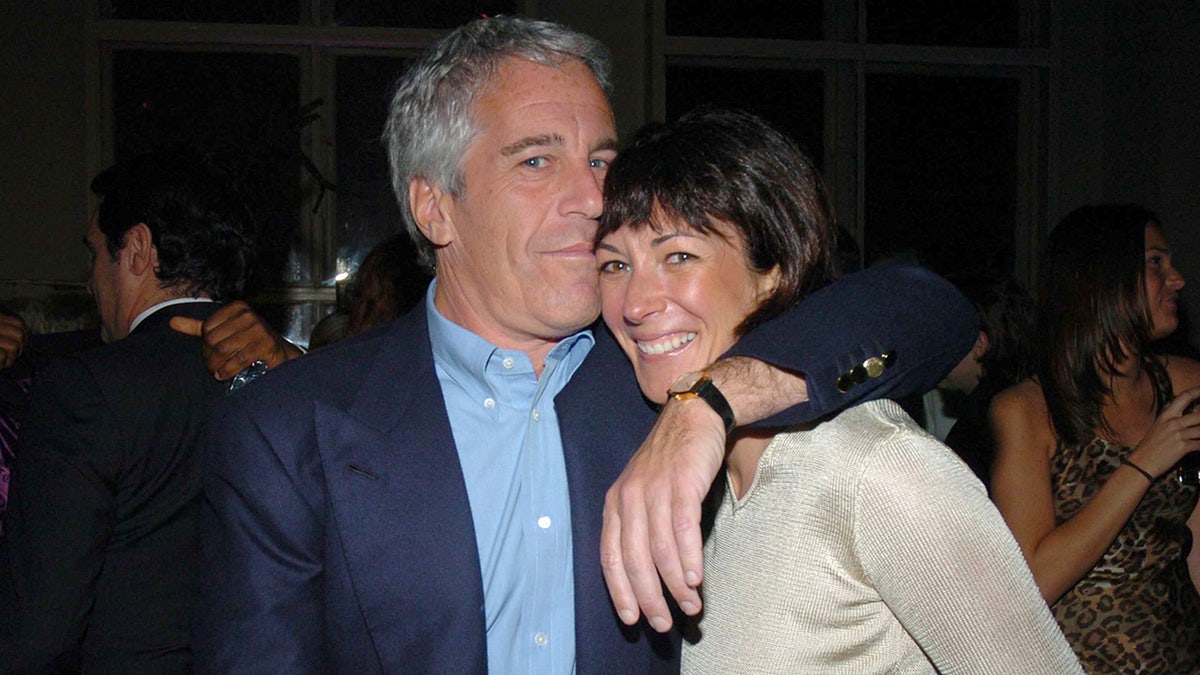
The Justice Department released a trove of Epstein documents on December 19 after President Trump signed the Epstein Files Transparency Act in November. (Joe Schildhorn/Patrick McMullan via Getty Images)
The conservative legal watchdog, Judicial Watch, has had mixed success over the years in pursuing FOIA lawsuits, demonstrating the court’s role in mediating such disputes.
Judicial Watch filed several lawsuits against the government in the wake of Hillary Clinton’s private email server scandal, leading a federal judge to allow the conservative watchdog to interview Clinton aides as part of an investigative process as it sought records on the matter. The decision was later overturned in the court of appeal.
In another case, the appeals court sided with Judicial Watch in overturning a lower court ruling in a long-running legal battle the watchdog waged with the DOJ to obtain the emails of Acting Attorney General Sally Yates. The D.C. Circuit Court ruled that the DOJ could not withhold email attachments from Yates’ account and ordered further review of the matter.
In the current controversy over the Epstein files, lawmakers are pressuring the DOJ by threatening a combination of political and legal remedies beyond the 30-day deadline and against what they view as excessive redactions.
Senate Minority Leader Chuck Schumer, D-N.Y., has pledged to bring up for a vote a resolution when the Senate returns from recess that would direct the Senate to take legal action against the DOJ for failing to comply with the transparency law’s requirements.
“The law passed by Congress is crystal clear: release the full Epstein files so Americans can see the truth,” Schumer said. “Instead, the Trump Justice Department abandoned the redactions and withheld evidence – which violates the law.”
SCHUMER ACCUSES DOJ OF VIOLATION OF LAW OVER REDACTED EPSTEIN FILES
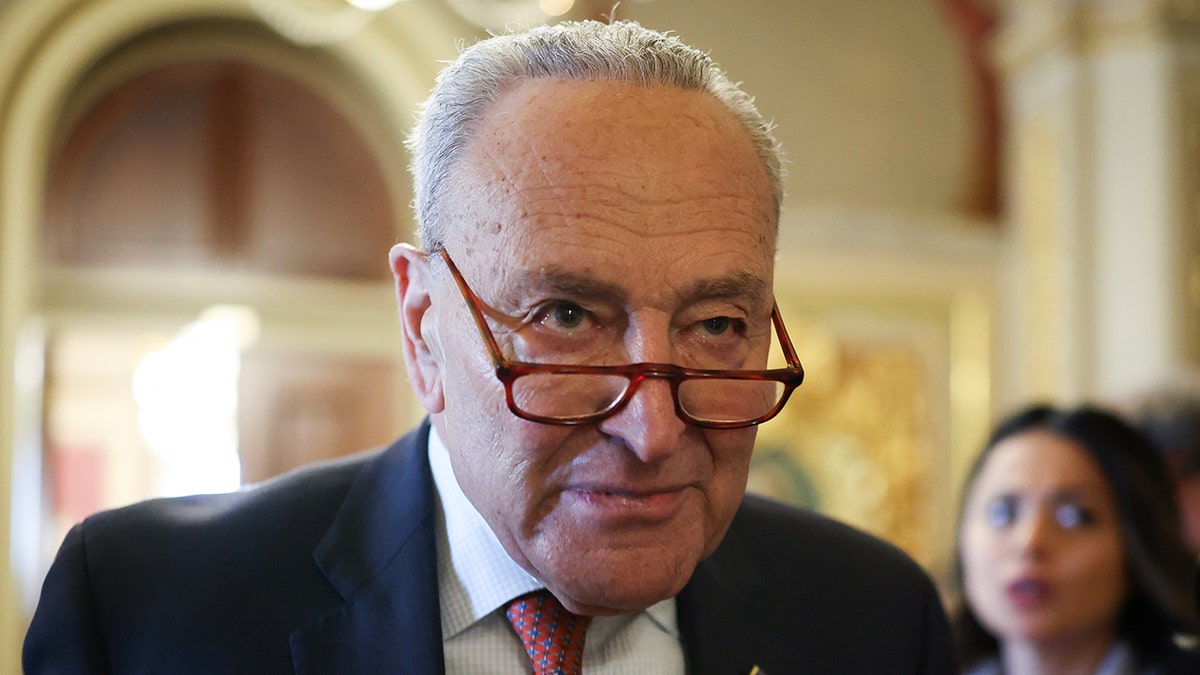
Senate Minority Leader Chuck Schumer, D-N.Y., has threatened legal action against the DOJ. (Kayla Bartkowski/Getty Images)
Reps. Ro Khanna, D-Calif., and Thomas Massie, R-Ky., who spearheaded the transparency bill, warned that they planned to file contempt proceedings against Attorney General Pam Bondi in light of the DOJ missing the deadline and making redactions that were perceived as excessive.
CLICK HERE TO GET THE FOX NEWS APP
A group of mostly Democratic senators also asked the DOJ inspector general to investigate the department’s compliance with the law.
The DOJ has argued that releasing unexamined documents would violate the law, saying last week that it had “attorneys working around the clock to review and make legally required redactions.”


