Valve defends loot boxes in response to New York’s lawsuit

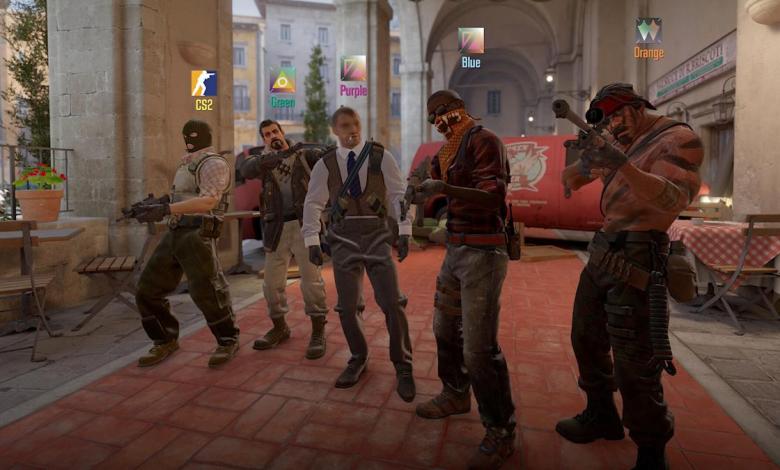
It must be 2017 because loot boxes are back in the news again. Two weeks after the New York attorney general sued Valve over its use of the gadget, the company responded. In short, the Steam maker basically said, “See you in court.”
The New York lawsuit accuses Valve of promoting illegal gambling through its games. AG Letitia James called out loot boxes found in titles like Counter-Strike 2, Fortress Team 2 And Dota 2 “addictive, harmful and illegal.” The state seeks to “permanently prevent Valve from continuing to promote illegal gambling in its games” and pay corresponding fines.
In its defense released Thursday, Valve compared its mystery boxes to children buying packs of physical trading cards. “Players do not need to open mystery boxes to play Valve games,” the company wrote. “In fact, most of you don’t open any boxes and just play the games. Since the items in the boxes are purely cosmetic, there is no downside to a player not spending any money.”
This last point, while applicable in the game itself, isn’t quite as straightforward once you zoom out beyond that. As James pointed out, players can trade cosmetic items they’ve earned from loot boxes on the Steam Marketplace or sell them on third-party marketplaces. The rarest ones can sometimes bring in lucrative sums.

CS2 gun skin listed for $20,000 on DMarket (DMarket)
Here too, Valve defended this profitable practice by launching the trading card comparison. “We believe the transferability of a digital gaming item is good for consumers: it gives a user the ability to sell or trade an old or unwanted item for something else, the same way an owner can sell or trade a tangible item like a Pokémon or baseball card,” the company wrote. “NYAG is proposing to remove users’ ability to transfer their digital assets from Valve games. Transferability is a right that we believe should not be taken away, and we refuse to do so.”
Valve is also facing a new class action lawsuit over its loot boxes.
Some of Valve’s arguments go a little deeper than its fair defense of a gaming gadget that, well, isn’t exactly appreciated. The company accused the NYAG of proposing that Valve collect additional user information to prevent VPN use. Additionally, the state reportedly “required Valve to collect more personal data about our users in order to conduct additional age verification.” Privacy experts have sounded the alarm over the recent push for online age verification.
Valve also responded to James’ erroneous and outdated statement that video games encourage real-world violence. “These superfluous comments are a distraction and misinterpretation that we have all heard before,” the company wrote. “Many studies have concluded over the years that there is no connection between media (movies, television, books, comics, music and games) and real-world violence. Indeed, many studies point to the beneficial impact of games on users.”
The company says that although it would have been cheaper to settle the dispute, it found the NYAG’s requests hostile to users. “Ultimately, a court will decide whose position – ours or NYAG’s – is correct. In the meantime, we wanted to make sure you were aware of the potential impact on users in New York and beyond.”


