NASA delays critical Artemis 2 rocket fueling test due to below-freezing temperatures, launch no earlier than Feb. 8

When you purchase through links on our articles, Future and its syndication partners may earn a commission.

Credit: Space.com / Josh Dîner
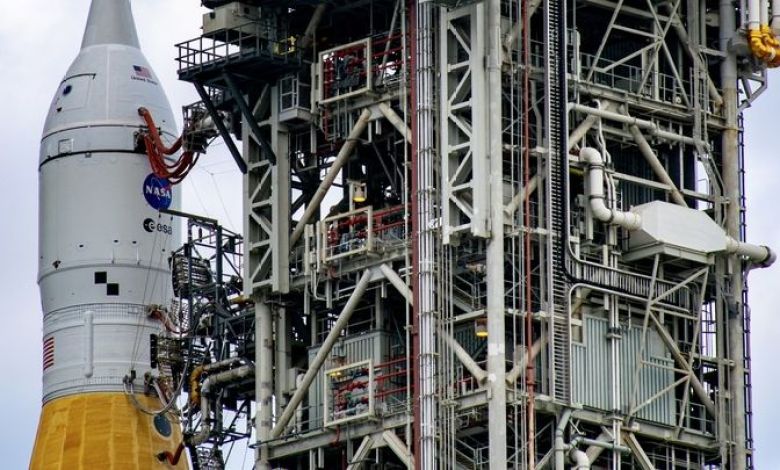
NASA was forced to delay a critical refueling test for its Artemis 2 moon rocket due to unusually cold weather expected to hit the Space Coast this weekend.
The wet dress rehearsal for the Space Launch System (SLS) was scheduled to start last night (January 29). A first call to the stations to Artemis 2 mission teams and the start of a 49-hour simulated launch countdown was scheduled to begin around 8:00 p.m. EST (01:00 GMT, January 30). The wet dress rehearsal is the last major test SLS must pass before being cleared to launch a crew of astronauts to the moon – this launch will mark the first time in more than 50 years that humans are heading towards Earththe natural satellite of
However, the latest passage of Arctic air pushed back these debates by two days. NOW, NASA plans to start the countdown tomorrow (January 31) at around the same time timewith a T-0 targeted Monday (February 2) at 9:00 p.m. EST (02:00 GMT, February 3). This change also pushes Artemis 2 launch opportunities beyond the first two days of the February window, with liftoff now expected no earlier than February 8.
“Teams and preparations on the launch pad remain ready for the wet dress rehearsal,” NASA said. wrote in an update. “However, adjusting the test schedule will allow NASA to be successful during the rehearsal, as forecasted weather this weekend would violate launch conditions.”
Cold weather and its effects on the ground infrastructure of the SLS and launch pad are variables that NASA takes very seriously. The same solid rocket booster (SRB) technology and components used in the space shuttle era were refitted to power the SLS. For context, yesterday’s originally planned call to stations took place just one day after the 40th anniversary of the space shuttle Challenger disaster, which exploded during launch due to the effects of subzero temperatures on the hardware aboard the vehicle’s SRBs, leading to the tragic loss of the mission’s crew.
Once things warm up and NASA begins the wet dress rehearsal, the two-day test will put SLS to the test. Ground operators will exercise the full scenario of a real-world mission countdown, running the clock up to just 30 seconds before engine ignition, powering up the rocket, and fully fueling its two stages with cryogenic fuels. During the final clock countdown, starting at T-10 minutes, teams will be put through a series of hold-ups and countdown retrains to ensure they are prepared in various scenarios.
For NASA to actually attempt to launch the Artemis 2 mission in February, almost every aspect of the dress rehearsal must go smoothly. During the first Artemis 1 During a wet dress rehearsal in April 2022, hydrogen leaks and problems with the tower umbilicals during SLS refueling led to three rollbacks of the rocket to NASA’s Vehicle Assembly Building. The mission was ultimately cleared for launch six months later, in November 2022. The first launch window for Artemis 2 extends to February 11, but range availability could reduce those opportunities.
NASA is also targeting February 11 for the launch of EspaceXthe Crew-11 mission of International Space Station (ISS). The arrival of this crew at the space station will end a short period of reduced occupancy aboard the orbiting laboratory, which has been operating with a reduced crew of three since the medical evacuation of the Crew 11 astronauts ended their mission a month earlier than planned.
While waiting for the wet dress rehearsal of the SLS, the Artemis 2 astronauts remain in quarantine before their launch to the moon. They include NASA astronauts Reid Wiseman as mission commander, Victor Glover as a mission pilot and Christine Koch as a mission specialist, as well as Canadian Space Agency astronaut Jeremy Hansen as another mission specialist.
Once Artemis 2 launches, the Orion space capsule atop the rocket will carry the quartet on a trajectory around the moon and back for a mission that will last about 10 days. The crew test flight will further qualify the Orion spacecraft for crewed operations and pave the way for Artemis 3which NASA says will be the program’s first mission to land astronauts on the lunar surface. If Artemis 2 goes smoothly, Artemis 3 should take place sometime in 2028.


