Drone maker lets robot fly drone to prove it’s easy to use and scare the heck out of us


Picture this: a pint-sized humanoid robot wearing glasses. Okay, it’s not particularly weird or scary, but what if these glasses had a pair of antennas that allow the robot to communicate with a drone? Oh, and did I mention the robot holds a joystick and pilots the drone? You really can’t make this stuff up.
The race to introduce humanoid robots into our lives is heating up, and their sudden omnipresence in public discourse and culture is leading to strange mashups like those of journalists and robots, robots and grandparents and, now, robots and drones.
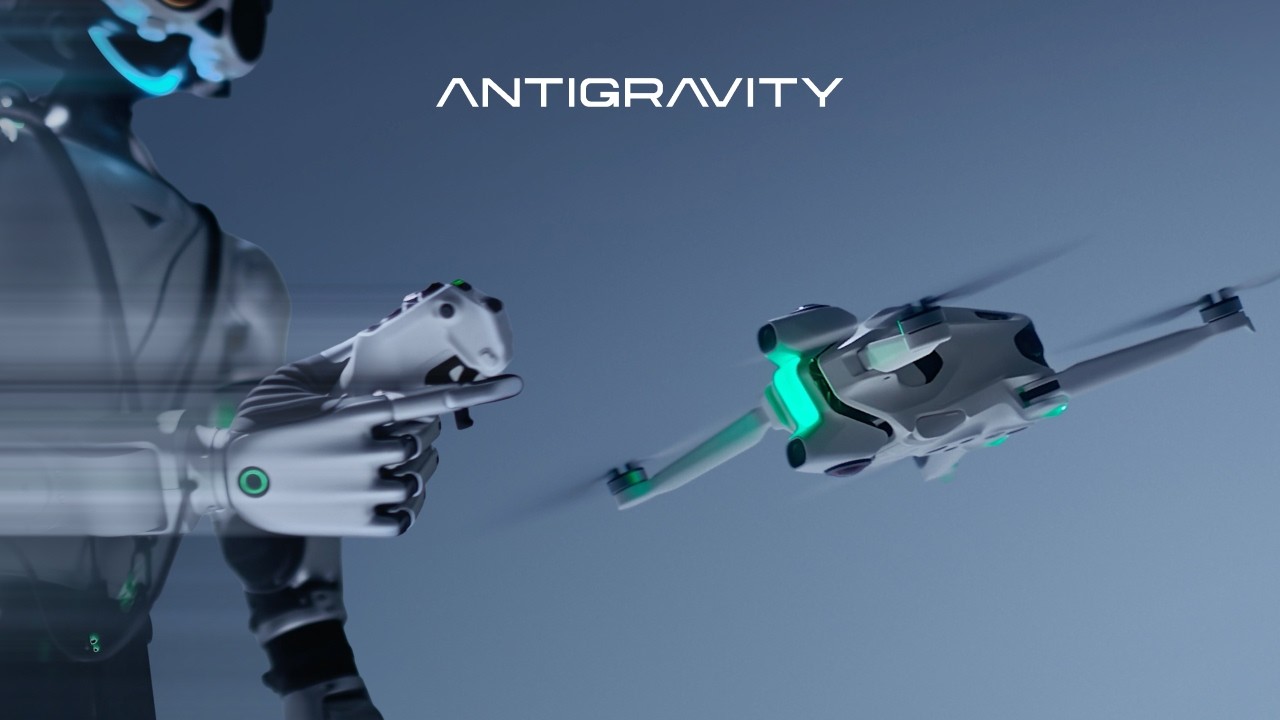
More recently, however, the Unitree G1 was enlisted to pilot the Antigravity A1 drone. For those unfamiliar with the A1, it’s basically a mix of a sub-250 gram drone and your best 360-degree camera.
The quadcopter actually has two cameras; one is face up and the other is face down. The onboard software combines the images so that what you see in Google is a 360-degree 8K view of the world around the drone.
In TechRadar’s first hands-on test, camera editor Timothy Coleman wrote, “the flying experience was truly immersive if a bit tame, while the aerial videos it can achieve are totally unique and dynamic.” »
He also wrote that when using the Motion Controller, “it is no exaggeration to say that piloting the A1 is child’s play.”
But is it a robot game?
Look on it
Antigravity provided a sizzle reel that, to my eyes, looked a little too polished to be real, but they backed it up with a more amateurish clip that, in fact, shows the G1 wearing the glasses, holding the motion controller, and with the drone flying nearby. When the G1 moved his hand to the left, the drone flew to the left, and when he moved it to the right, the drone flew to the right.
Naturally, I have a few questions.
Although the G1 has a 3D LiDAR sensor and an Intel RealSense Depth camera, it doesn’t have stereoscopic eyes like ours. Its hands also lack touch sensors. I wonder if the G1 can see through these glasses and if, in fact, he can feel the Motion Controller in his hand.
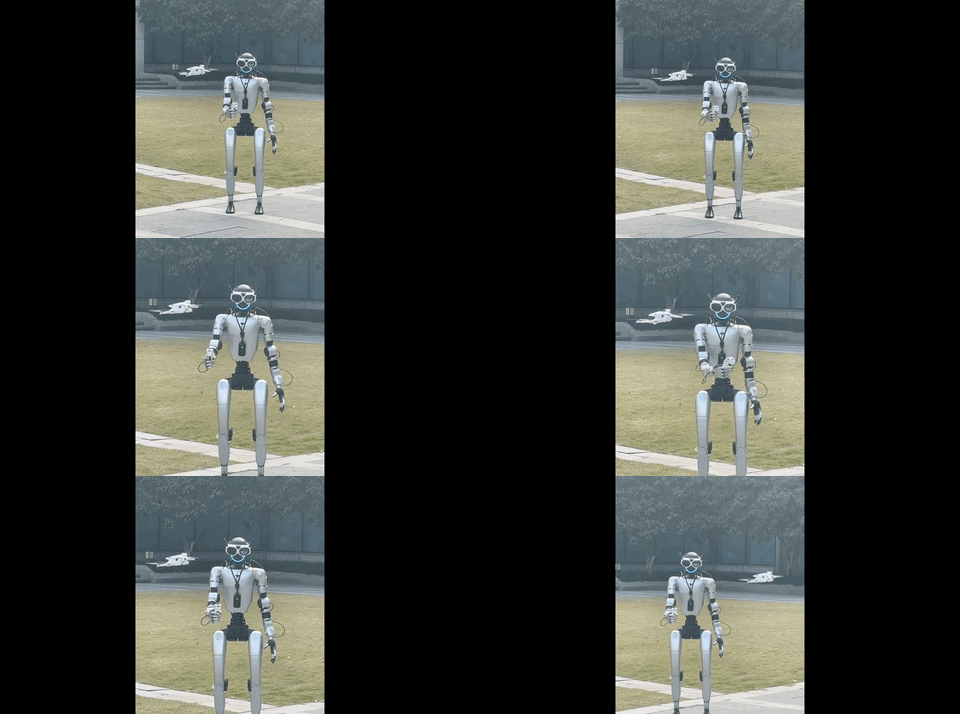
I’ve seen the G1 in person, and while it looks cool and is remarkably nimble, 85% of what it does is remote controlled. This made me wonder if the G1 was flying the drone or if a remote operator was flying it via the G1. I emailed these questions to Antigravity and will update this post with their answers.
There is, however, a larger question here. For what?
I think Antigravity did this to prove a point Coleman made above: it’s so easy to fly this Antigravity A1 drone 360 degrees that even a robot can do it.
I guess that’s sort of true, but I think it’s safe to say that no human wants a robot flying a drone over their head. So maybe we leave the drone work to flesh-and-blood hands and faces and let the robots try to figure out how to empty the dishwasher faster than a snail’s pace.

The best drones
Follow TechRadar on Google News And add us as your favorite source to get our news, reviews and expert opinions in your feeds. Make sure to click the Follow button!
And of course you can too follow TechRadar on TikTok for news, reviews, unboxings in video form and receive regular updates from us on WhatsApp Also.


