Inside the Private Equity Scam—and the Livelihoods It Has Destroyed


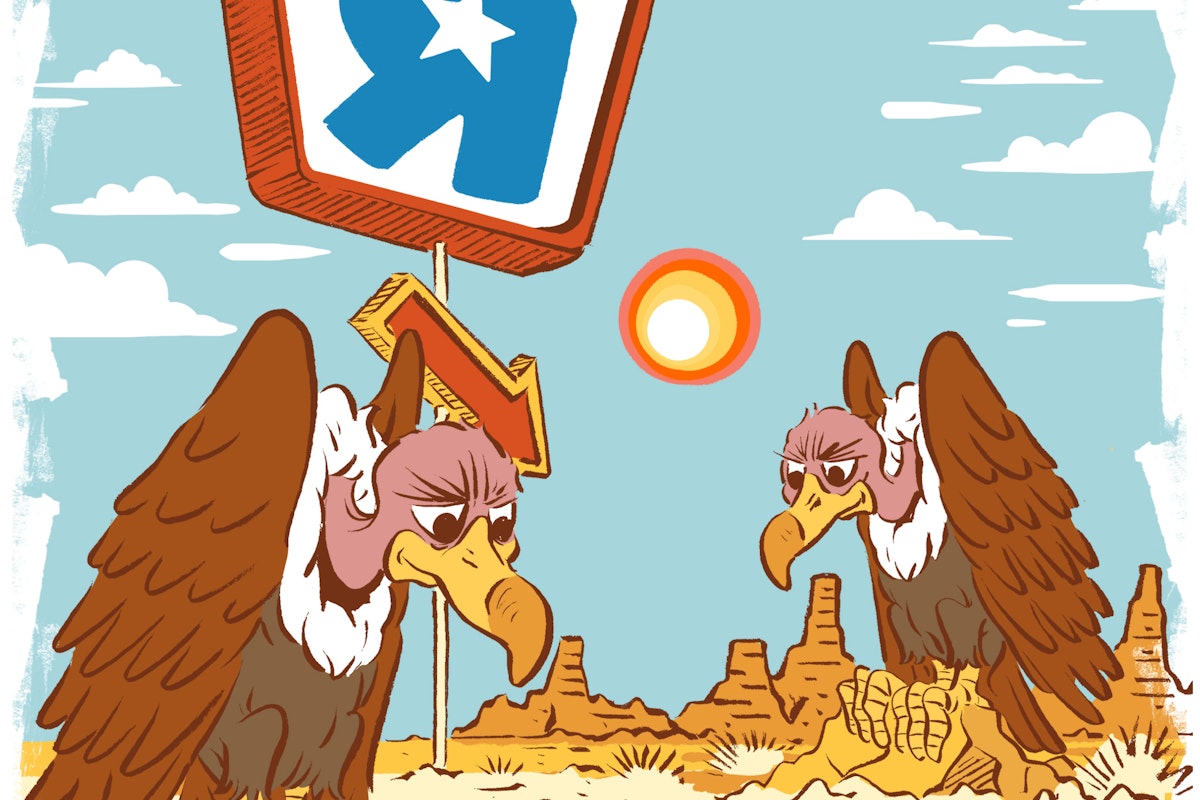
During Bad businessGreenwell follows four people whose life has been modified by taking control of investment capital. The history and analysis of politicians act as a scaffolding for these stories; It is in these intimate portraits that the book really shines. Although never declared directly, the experiences of Greenwell’s subjects act as a powerful foil to a certain managerial type of thought which is implicit at the heart of the height of private equity: that the profits could only be possible for the people in charge of the registers, that the employees must be microgelated, that companies suffer due to a lack of commitment from people who have inserted and external to each day. In other words, Greenwell has managed to find a collection of characters totally devoted to what they do.
Liz, an Alaska mother trying to withdraw her family from chronic instability, worked for the giant toys of retail “R” US, who declared bankruptcy and chopped 33,000 employees without compensation when the debt imposed by the investment capital has made it impossible to maintain the supplied shelves. Liz liked to work at Toys “R” -us that she had a tattoo of the company’s signature giraffe. As told by Greenwell, after a particularly satisfactory customer service experience, a pair of new parents gave their baby’s name. A doctor named Roger abandoned comfortable work decades ago to practice medicine in rural Wyoming. Now in the 1980s and withdrew, he thought about his battle to maintain essential medical services, such as maternity care, following a series of acquisitions. “You want to leave a place better than you have found it,” he said to Greenwell through tears. Natalia, a Texas journalist born in Mexico, ponted articles between investment capital newspapers, manufacturing less than $ 60,000 a year in Austin and maintaining important debt to write stories that would resonate with a younger and Hispanophone audience. Greenwell has also spent time with Loren, a parent whose low-income housing complex supported by investment capital has flooded, ejecting residents of their homes without recourse. She always gives her number to the residents of the building, helping them to file complaints from afar.
These are not people who need dividends to commit. Throughout Bad business They find creative means to go around the constrictions that are placed with them by faceless companies of a billion dollars. They work longer hours and organize their neighbors. They were unionized and campaigned. They take advantage of their tangible connections with their communities to fight against the people they have never met in the brilliant Manhattan office towers they will never see. In comparison, investment capital companies in cooperation in cropping copy work seem terribly lazy.


