European Cowardice Is Empowering Trump’s New Imperialism


NATO allies do not want to confront Trump’s aggression. But ultimately they may not have a choice.
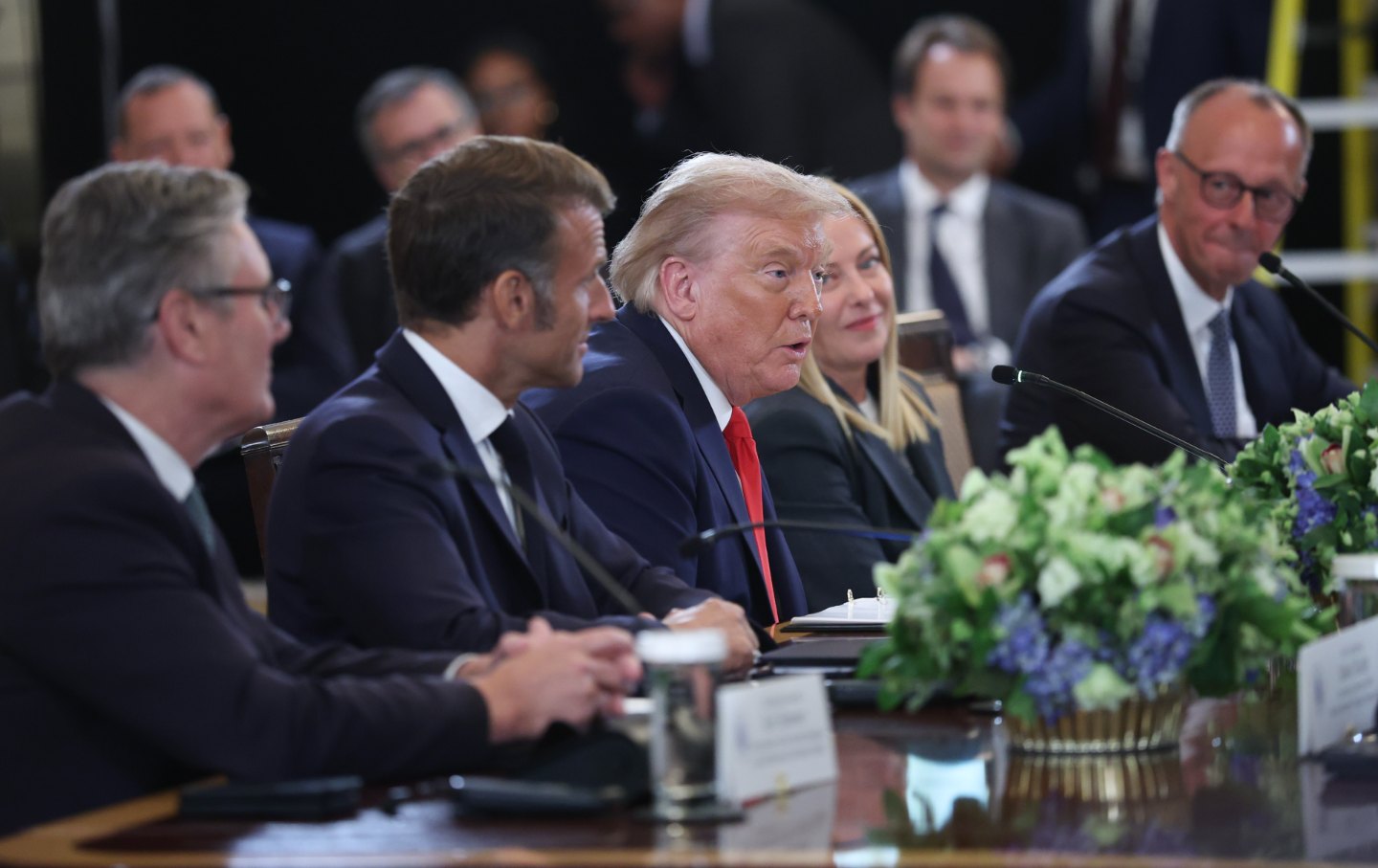
President Donald Trump hosts a meeting with Ukrainian President Volodymyr Zelensky and European leaders at the White House on August 18, 2025.
(Win McNamee/Getty Images)
On Tuesday, European leaders met in Paris to try to resolve their two biggest foreign policy challenges. They were happy to talk openly about one of them: ways to strengthen Ukraine to repel a Russian invasion. But there was also another problem – one that they are not as keen to address in public: the fact that their supposed ally, the United States, now poses a major threat to world peace.
Donald Trump just carried out an external coup in Venezuela and removed that country’s president – and he’s only just getting started. Following this violent assertion of U.S. dominance over the Western Hemisphere, Trump began threatening other neighboring countries, promising interventions in Mexico, Cuba, and Colombia. And, most relevant to Europe, he renews his promise to annex Greenland.
Current number
Trump’s efforts to create more Living space because the United States creates special problems for European countries that rely on NATO as a security guarantee. The alliance turns out to be not only a shield but also a trap. Dependence on NATO means that European countries are unable to challenge the United States when it threatens their national security.
Talk to The New York TimesMark Leonard, director of the European Council on Foreign Relations, said:
There is a huge gap between the public and private reactions of European leaders.
Privately, they panic about what will happen next, particularly in Greenland, and what they might do about it. But publicly, on Venezuela, they are desperate not to say anything critical or invoke international law about Trump, at a time when Ukraine is at its greatest peril. They want to use the influence they have for Ukraine.
Nathalie Tocci, director of the Institute of International Affairs in Italy, described Trump as pursuing a “systematically imperial” policy that will allow other empires, such as Russia and China, to prosper. Tocci added: “It is certainly more comfortable for Putin and Xi Jinping to be their imperial selves where that is the new normal. »
In Trump’s world of Back to the Imperial Future, where great powers once again unapologetically dominate their supposed spheres of influence, the United States and Russia are not so much competitors as mutually reinforcing gangsters. In this worldview, NATO is a protection racket that the United States profits from because it can sell weapons to its putative allies. The Russian threat to Europe makes this protection more costly.
The danger of dependence on the United States has long been articulated by leaders such as Charles de Gaulle, who dominated French politics in the middle of the last century. De Gaulle’s warnings, little heeded at the time, seem premonitory today.
The question facing Europeans is: how long do they want to stay in such a protectionist racket? The New York Times reports,
Bruno Maçães, Portugal’s former secretary of state for European affairs, urged the European Union to propose a possible counter-offensive if Mr. Trump took action in Greenland, including sanctions on American businesses, the expulsion of American military personnel and restrictions on American travel to Europe. Raphaël Glucksmann, French member of the European Parliament, proposed establishing a European military base in Greenland, as a signal to Washington and a commitment to the security of the island.
Write in AimDalibor Rohac, a senior fellow at the American Enterprise Institute, advocates a similar set of tough sanctions that would require the United States to respect the sovereignty of European countries, including reducing arms sales, refusing to allow the United States to use European military bases for missions in the Middle East and reducing trade ties. Rohac also suggests: “An additional step would be sanctions lists. Travel bans and asset freezes should be imposed on key figures in the administration as well as its donors.”
Popular
“Swipe left below to see more authors”Swipe →
These proposals are certainly commensurate with the threat that American imperialism poses not only to Europe but also to world security. But European leaders are unlikely to have the courage to implement them. So far, their response to Trump’s transgressions has been meek and timid. In a poignant interview last weekend, British Prime Minister Keir Starmer refused to even say that the United States had violated international law by invading Venezuela. Asked about Trump’s threats against Greenland, French President Emmanuel Macron said: “I cannot imagine a scenario in which the United States of America would be placed in a position to violate Danish sovereignty. » These are not leaders who appear ready to take radical steps to challenge Trump’s lawlessness.
But this timidity may not stand up to Trump’s ruthless power politics. This is not the first time that European leaders have tried to fend off aggressive and expansionist authoritarian power with appeasement. There is little reason to think that such appeasement will work. Trump will continue to push for more. Faced with this dynamic, Europeans are faced with a difficult choice: resist or capitulate. The open question is whether the spirit of resistance is strong enough for them to take the necessary radical steps, which involve not only standing up to Trump, but also rethinking their national security policy so that they are no longer dependent on American power.
More than The Nation
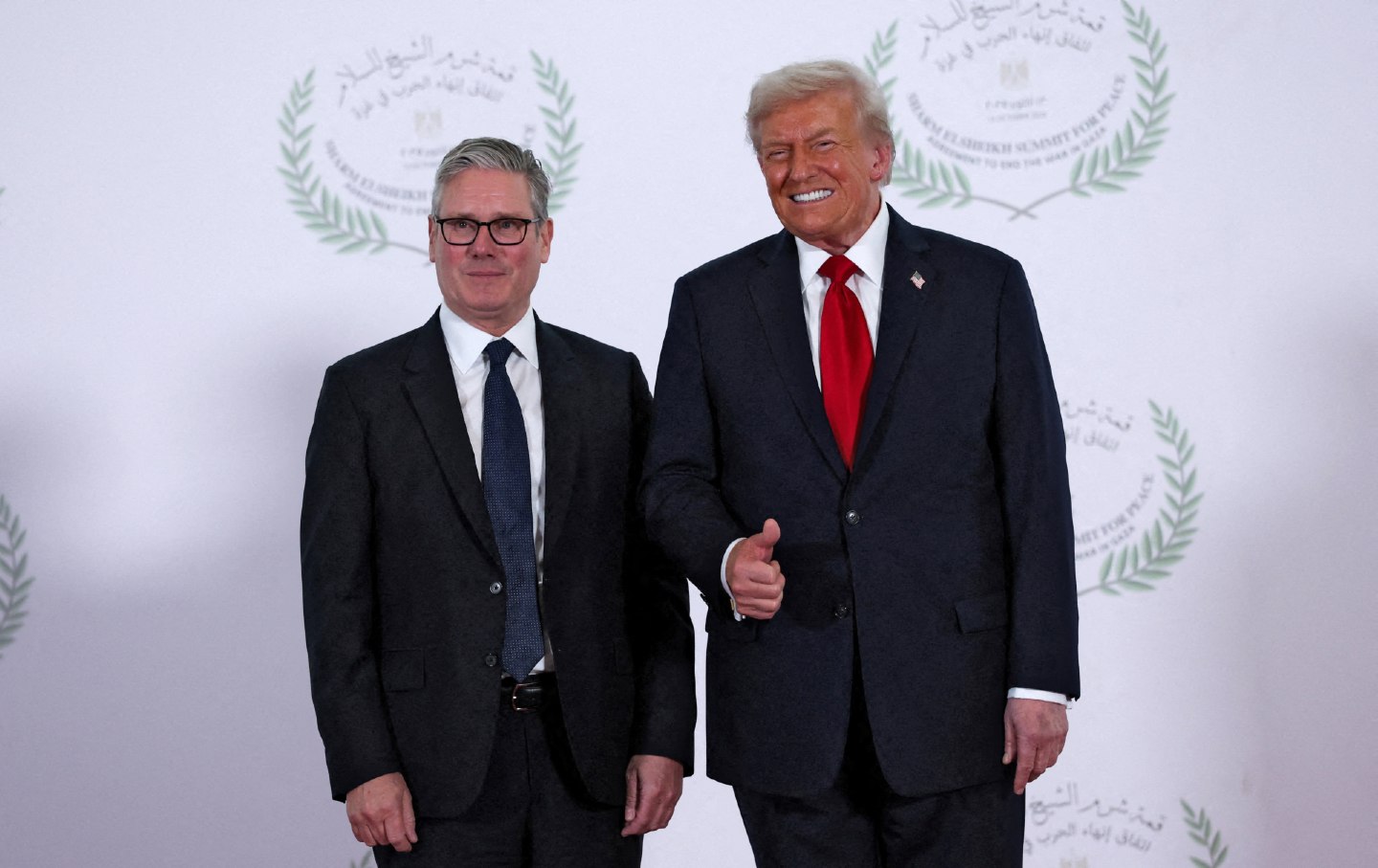
As the post-Cold War order cracks, the fault lines run not just across the Atlantic, but across Europe itself.
David Broder
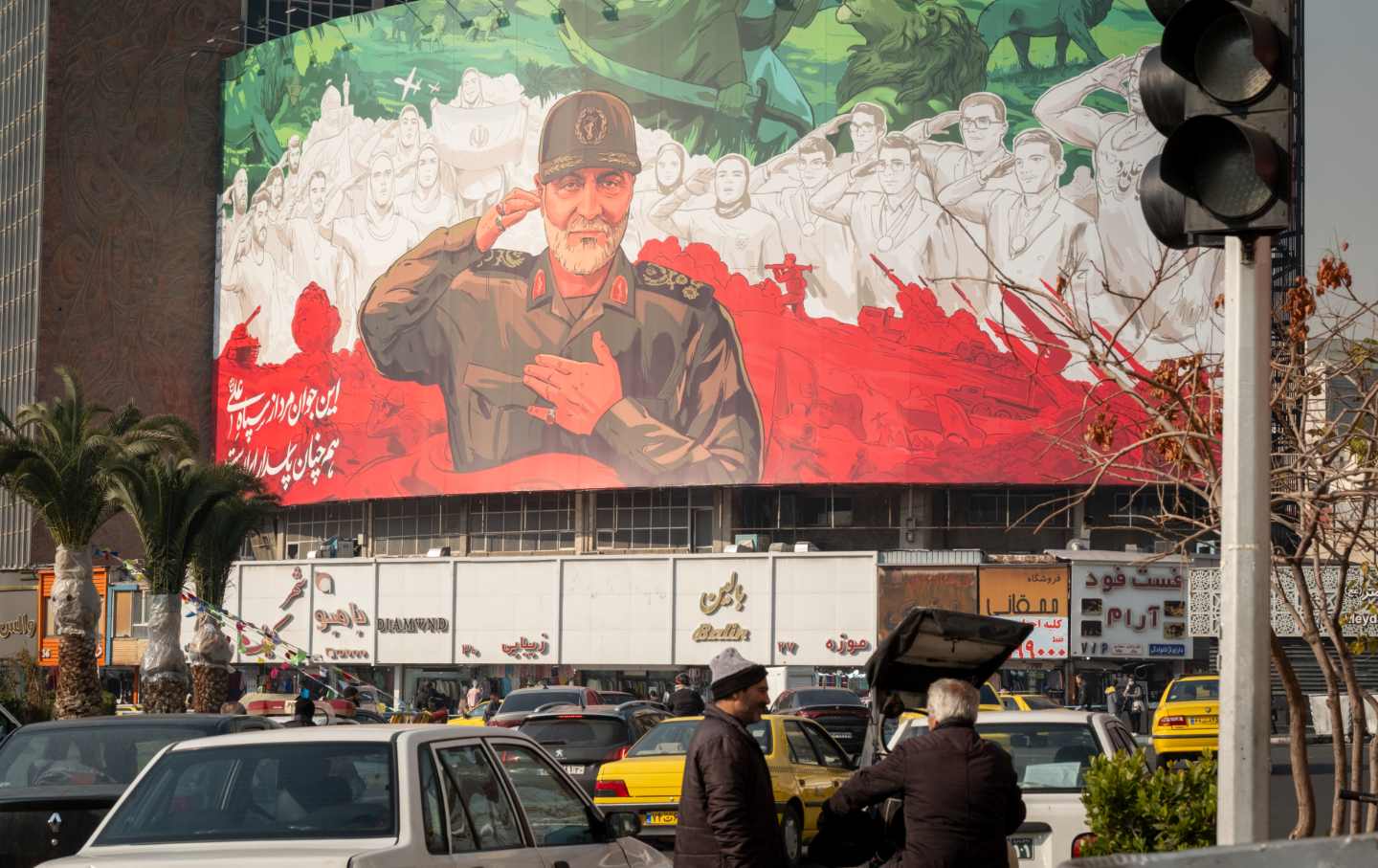
How Trump’s unlawful assassination of Qassem Soleimani in 2020 – and the West’s indifferent response – laid the groundwork for the brazen kidnapping of Nicolas Maduro.
Séamus Malekafzali
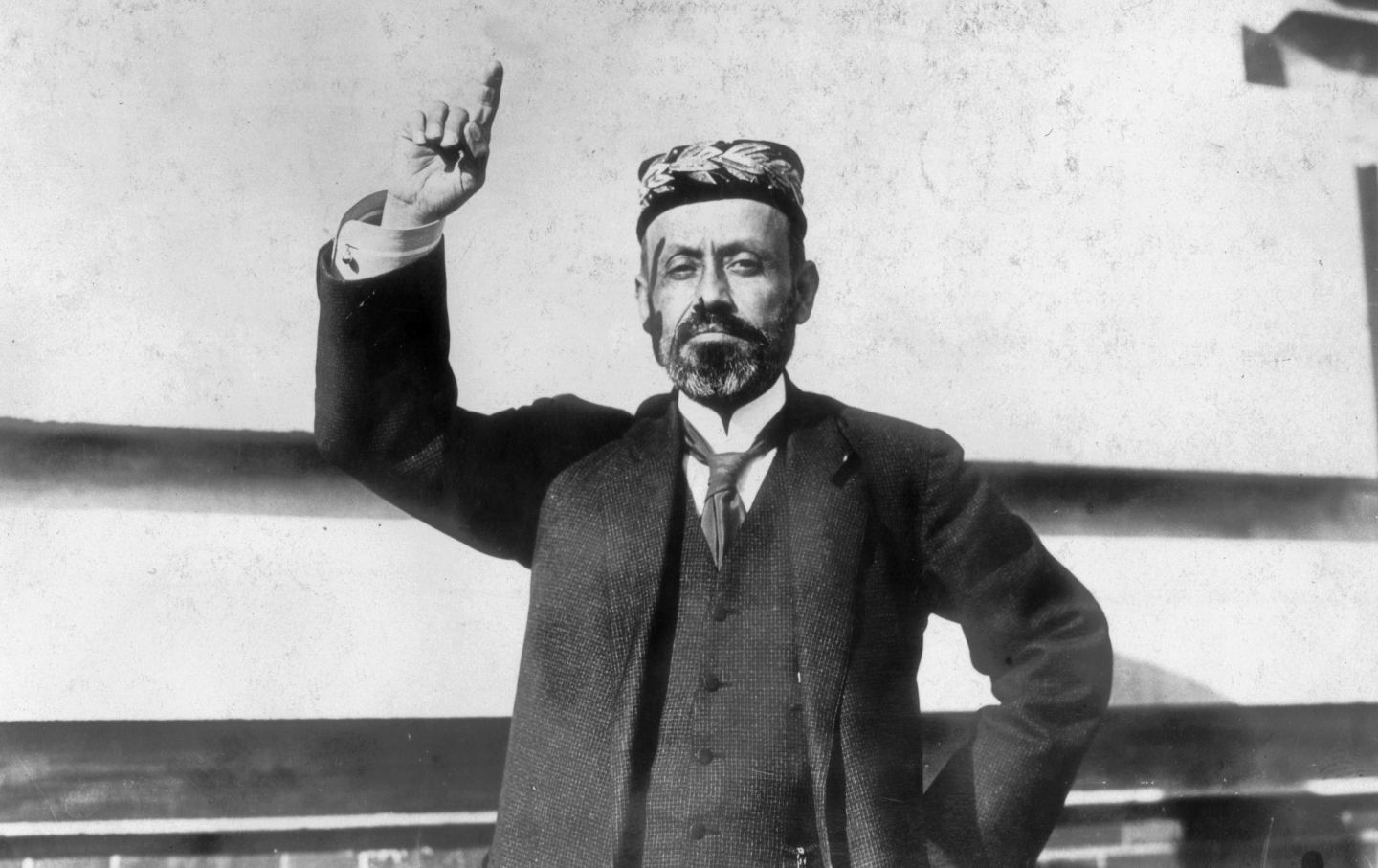
Behind today’s headlines lies a story of imperial outrage, including that of a Philadelphia indentured man who wreaked havoc in Venezuela in the early 20th century and helped overthrow a president.
Greg Grandin
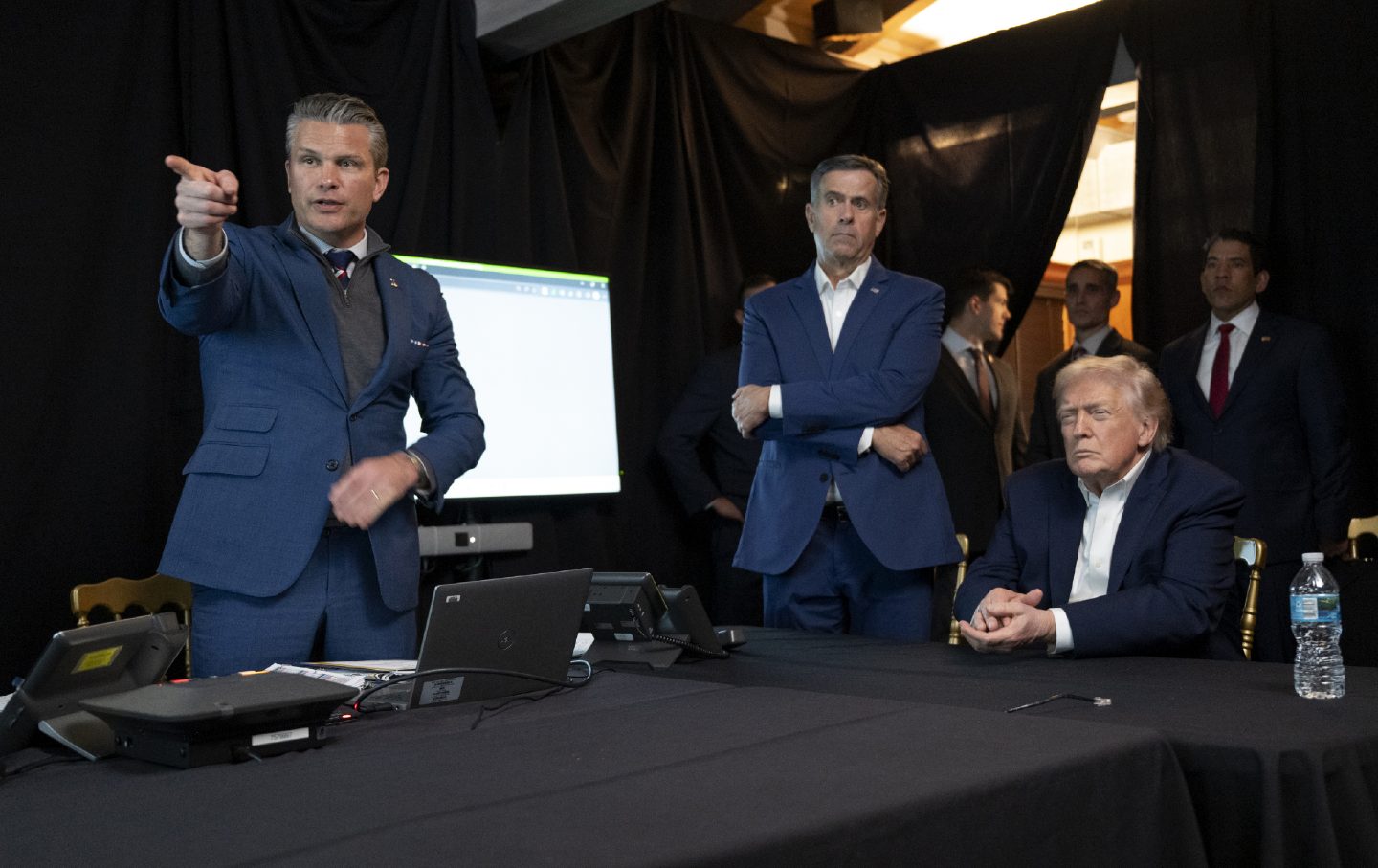
Where is the international outrage over the US attack on Venezuela and the kidnapping of Maduro?
Elie Mystal
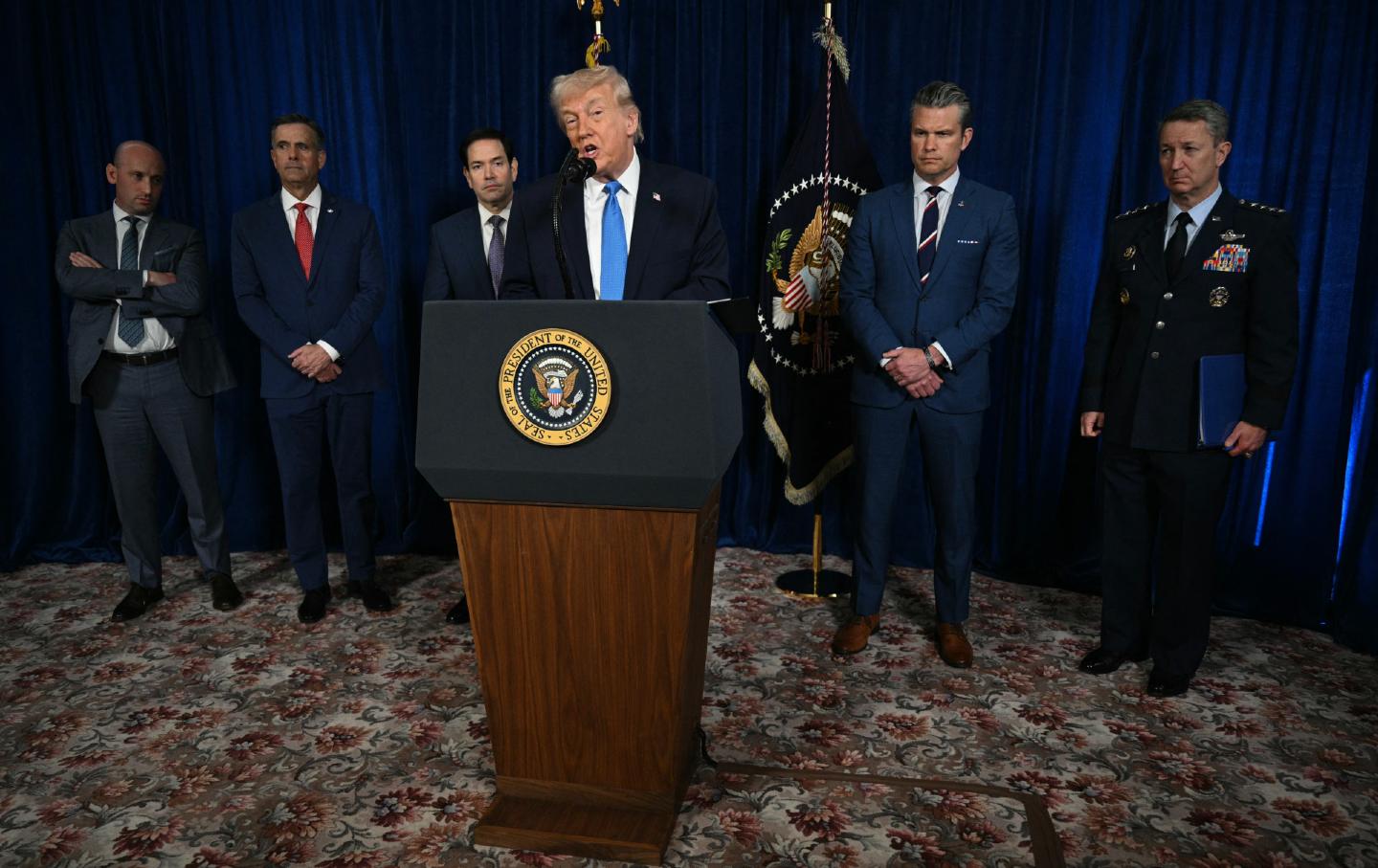
Senators and House members accuse Trump and his aides of disregarding the Constitution and lying to Congress.
John Nichols