Rural hospitals brace for painful choices after Trump’s Medicaid and Obamacare cuts


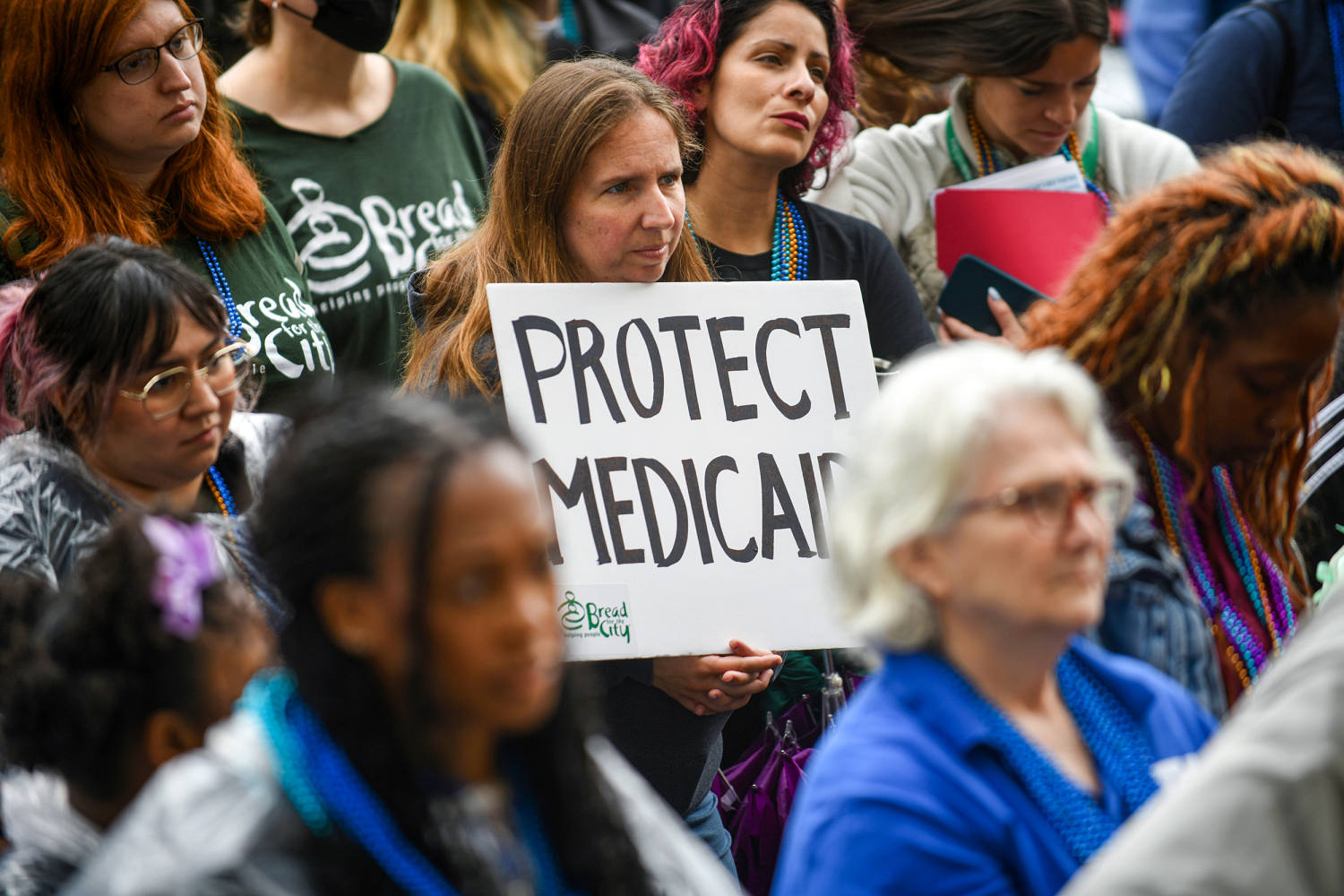
Rural hospitals in the United States say that they are forced to consider difficult choices – such as the reduction of services for children or patients with cancer – after President Donald Trump has signed a sprawling bill on domestic policy which also includes reductions for not only Medicaid but also the affordable care law.
Benjamin Anderson, CEO of Hutchinson Regional Healthcare System, supervises a hospital of 180 beds which is the only hospital for many residents in the South Center of Kansas Rural.
Anderson said that he was assessed how the hospital and broader health system could afford to continue offering all of his services, which include palliative care and home care, mental health treatment for hospital patients and a cardiology program.
Services that are not traditionally profitable – such as women’s health and pediatric care – will be the most difficult to maintain, Anderson said. He added that the system is trying to see which programs can be recorded.
The cuts in the bill will also point out that the hospital will have to continue its job freeze – a decision that may burn members of the already tense staff of the pandemic and high charges of patients.
The real test, he said, will come this fall when cases of influenza, covid and RSV should increase.
“What is done is putting us in danger when the respiratory season strikes,” said Anderson. “We are at a real risk of carrying the staff we have at the moment.”
“Salary seams”
Rural hospitals strongly depend on the funding of Medicaid because they generally serve a higher share of low -income patients.
An estimate of KFF, a research group on health policies, revealed that Trump’s law, nicknamed the “big and beautiful bill”, could lead to around 17 million people who lose coverage due to the changes of Medicaid and the ACA.
In the United States, more than 300 rural hospitals are threatened to close due to the bill, democratic legislators wrote in a letter last month. If more of their patients are not insured, these hospitals may not be paid for their services, according to the letter.
The bill includes nearly 1 billion of dollars of Medicaid reductions, mainly through work requirements, as well as a change in the way states are able to finance their programs called the supplier taxes.
It also makes changes to the ACA, including additional paperwork requirements to renew the coverage each year, and allows government grants that help people pay the health plans to expire at the end of this year. The Congressional Budget Office, a non -partisan agency that provides a budget and economic information at the Congress, estimated that nearly 4 million people would lose their coverage in 2026 if the subsidies were not extended.
Edwin Park, research professor at the Georgetown University McCourt School of Public Policy, said that the modifications made to Medicaid represent the greatest threat to rural hospitals. Many of these changes will only take effect until 2027 at the earliest, but Park said that he does not expect the states and rural hospitals to wait until the last minute to prepare.
Last week, the Nebraska -based community hospital said it was closing the Curtis Medical Center, a clinic in Curtis – a city of around 900 people – partially citing government cuts.
“They will start making cuts now,” said Park. “So, instead of a cliff, they are trying to cut now so that they don’t have all the painful cups in a single year.”
Kevin Stansbury, CEO of Lincoln Community Hospital and Carer, a rural hospital of 25 beds in Hugo, Colorado, said that it will soon start cutting services for patients, including long -term care.
The hospital obtains approximately $ 300,000 per month in tax reimbursements for providers, which, according to Stansbury, is still enough to break. The loss of these reimbursements will have a significant impact.
He said he is organizing early conversations with private insurers on the increase in reimbursement payments they give to rural hospitals to help compensate for the losses of Medicaid and ACA.
“We will work with other hospitals of the State and the State of State Medicaid to see what, if necessary, can be done to mitigate the impact,” he added.
A fig leaf
Trump’s bill includes $ 50 billion for rural hospitals. These funds will be distributed by the centers for Medicare and Medicaid Services over five years.
Park has called the federal funds of “fig leaf”, noting that it will not be enough to compensate for the losses of the Medicaid and ACA cuts.
Toniann Richard, CEO of HCC Network – a community health center with six locations in Missouri – said government funds seem to focus on infrastructure and improve efficiency in rural hospitals, rather than helping to compensate for their financial losses. About 40% of patients in the center are on Medicaid.
“Although I think the feeling is appreciated, it’s a bit disappointing,” she said.
Richard does not plan for any immediate change, but said that rural hospitals of his state could soon face cuts or be forced to reduce specialty services – such as cardiology and oncology – which are often not reimbursed.
In recent years, several rural hospitals in eastern Missouri and the Bootheel region have closed due to financial tension.
One of Richard’s main objectives at the moment is to ensure that his patients, especially those who have a coverage of the ACA, ensure that they are always eligible for their health insurance.
“We will really focus on managing eligibility controls for people when they come to help them stay in the current,” she said.
In California, urban and rural hospitals could lose up to 30% of their income in the next decade, which means that many will be forced to make difficult decisions, in particular by reducing access to services, said Carmela Coyle, president and chief executive officer of California Hospital Association, in a statement sent by email.
This “will mean real evil for real people in large and small communities across California,” said Coyle. “These are the biggest reductions in our health care system never adopted and are far too deep for hospitals” absorb “.”
“Scandalous” health care costs
Stephanie Hauner, who runs a farm in Fredonia, Kansas, has five children, all on Medicaid.
Fredonia, a city of around 2,000 inhabitants, is in one of the poorest regions of the state.
Huer said that if its local supplier should close, it should probably go to Kansas City – a 2 1/2 hour drive – to get care.
“I know that it will completely have an impact on us,” she said. “It is not the people who do not work who will be affected. It is the self -employed, like us, in family farms, who, when we obtain a health insurance quote, it is scandalous. ”
Dre Jennifer Bacani McKenney, doctor of Huer and owner of Fredonia Family Care, said that the clinic did not currently consider closing or service cuts. Instead, they focus on helping patients to fill the documents necessary to maintain their coverage – something that affects both patients and providers.
“As family documents in a rural area, we are also emergency documents,” she said. “Since more people will not be insured, we will probably see more in the emergency room, which, of course, is bad for the hospital because they will not be paid.”


