The real threat to the PC isn’t death. It’s losing control


Summary created by Smart Answers AI
In summary:
- PCWorld says the PC’s biggest threat is not obsolescence but the loss of user control over hardware, software and data privacy.
- Recent events such as the NZXT class action and corporate data breaches highlight growing concerns around digital sovereignty and ownership.
- The article argues for openness and user freedom as essential for the future of the PC, citing examples like France’s move to Linux for digital independence.
A few months ago I floated the idea of renting a PC. More precisely a Valve Steam Machine, in the hope of catching the concept. I wanted it to live. But the problem with thinking exercises is that they can end up becoming disconnected from the world.
Recent decisions and regulations have hit me with a cold reality. Not only the fact that corporations are not our friends, which has always been clear; the Ticketmaster lawsuit makes this point, as does the NZXT regulation for PC rentals which never made financial sense. But also: we apparently live in an age where war is fought over property. Or more precisely, who controls our hardware, our software, and even our fundamental right to privacy.
Welcome to The Full Nerd newsletter, your weekly dose of hardware talk from PCWorld enthusiasts. You missed the surprising topics on our YouTube show or the latest news from the Web? You are in the right place.
Would you like this newsletter to arrive directly in your inbox? Register on our site!
I consider this theme to be a common thread in current events. For example: The French government has announced an accelerated digital sovereignty plan, with a planned switch from Windows to Linux for workstations, a change in file transfer tools, and by the end of 2026, a migration of health data to a new platform.
California residents have sued two healthcare providers for using third-party AI tools that transcribe conversations between patients and practitioners.
Netgear has been granted an exemption to resell its consumer routers in the United States, but the terms of the deal remain confidential.
Mail order medicine company Hims & Hers and travel agency Booking.com suffered data breaches, leading to the loss of some personal data.
Adam Patrick Murray / Foundry
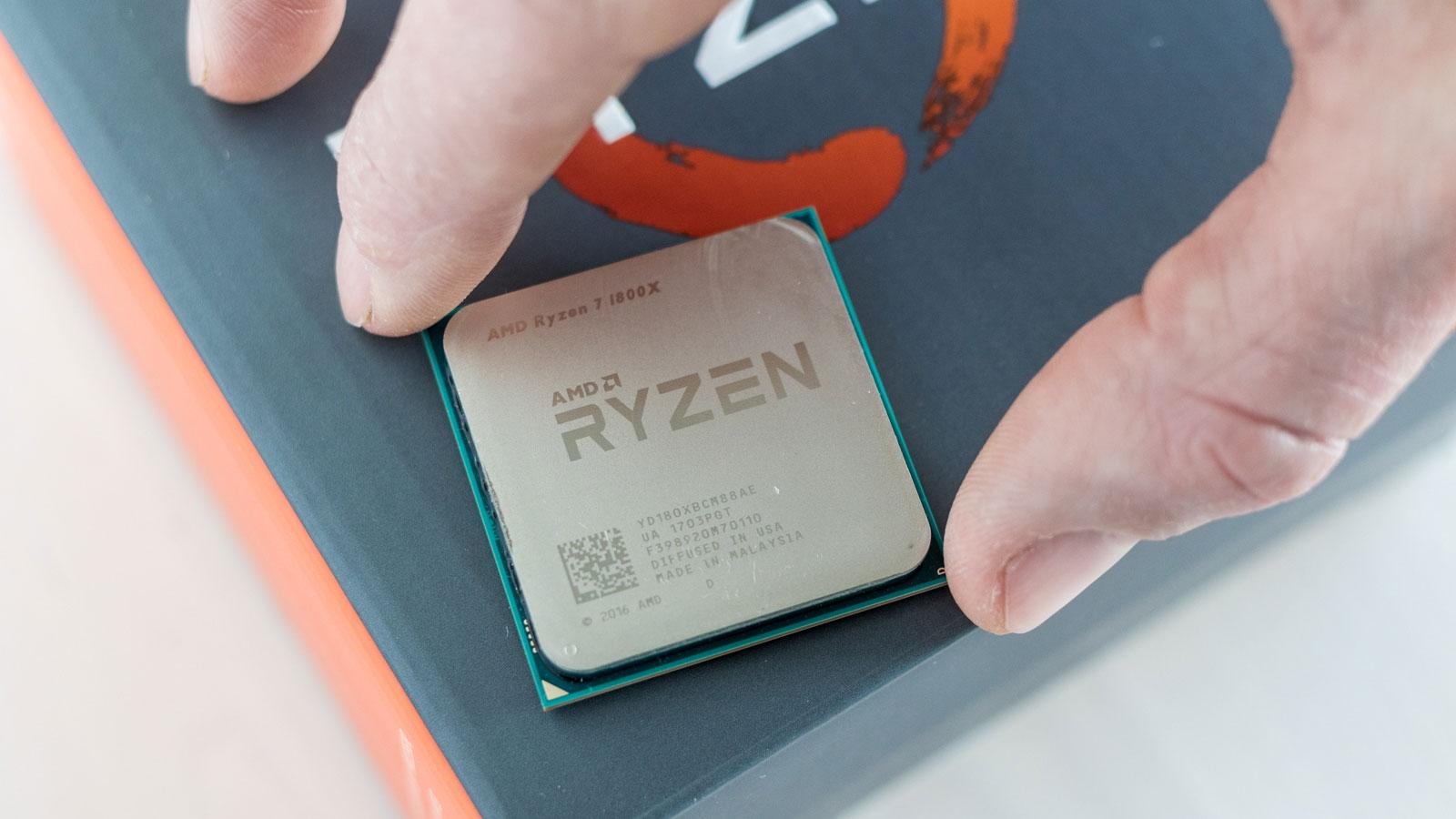
My colleague and mentor Gordon Mah Ung often spoke of the death of the PC. Growing up almost a generation after him, I always viewed this as some sort of trauma – I thought experiencing such an existential threat left an indelible mark on him. Meanwhile, I got my start in PCs in an era of generosity. I assumed that component sizes would shrink, performance would improve, and prices would drop.
But now I think I understand it better. As he has often said, the PC is synonymous with openness. You can create whatever you want, however you want, and then use it however you want.
If you can’t have that experience, the PC dies as a concept. You have no control. Gordon saw this danger in devices like iPads and gaming consoles. I see it the same way as the French government; I understand the emphasis on digital sovereignty. Software and services are now the primary battleground for true ownership. The information that passes through a PC should in theory belong only to you. Only authorized people should be able to manage data, including applying updates. If not, is this pile of hardware really yours?
So to protect the PC now, enthusiasts may need to stop thinking about smaller nodes and higher efficiency, at least for now. Instead, growth could be lateral – a progression that serves openness and freedom on a large scale. We did it before, at the dawn of the Internet age, making the most of what little we had. Fighting for what we had.
Maybe our roots will be our salvation. Because otherwise, if everyone lets this slide, we could all waste a lot of time.
In this episode of The Full Nerd
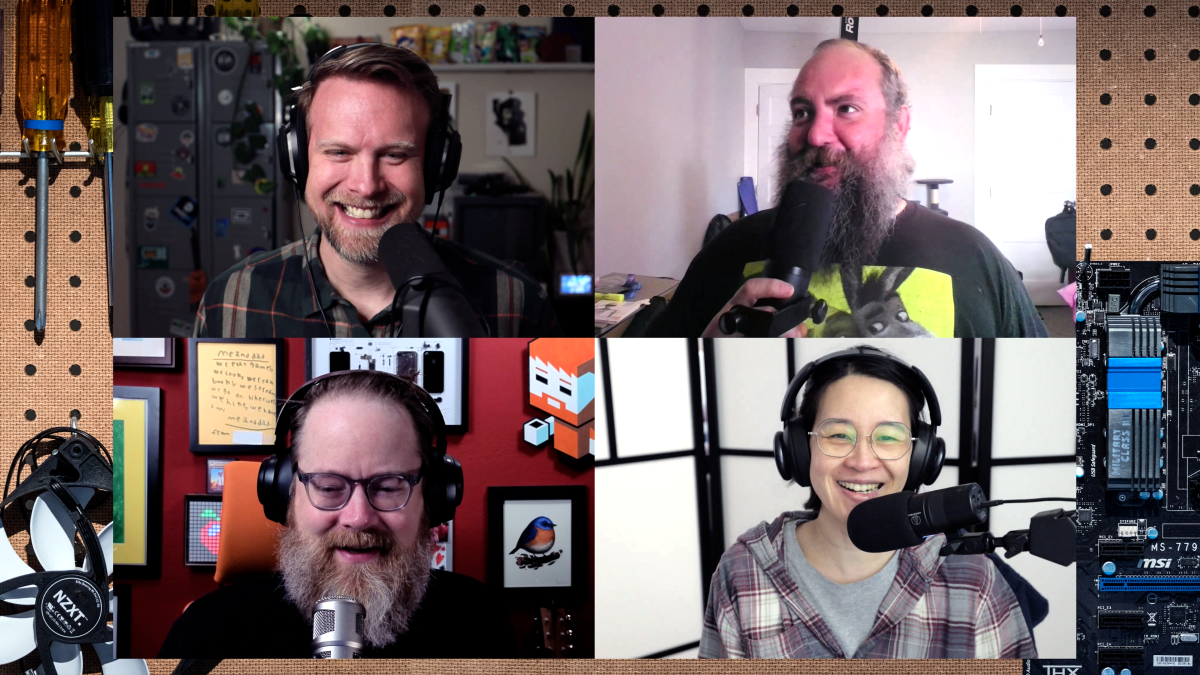
In this episode of The Full Nerd, Adam Patrick Murray, Brad Chacos, Alaina Yee and Will Smith discuss the NZXT class action lawsuit and settlement terms – a victory for investigative journalism (and specifically for the Steve & Gamers Nexus team). We also discuss our recommendations for new Windows installations; Unsurprisingly, we have a lot of opinions on the right way to approach a shiny new PC release.
(Brad’s take on standards is probably the best checklist to use whenever you’re hired as unpaid tech support for your loved ones.)
Will Smith / Foundry
Did you miss our live? Subscribe now to The Full Nerd Network YouTube channel and enable notifications. We also answer viewers’ questions in real time!
Don’t miss our other shows either: you can watch episodes of Dual Boot Diaries, The Full Nerd: Extra Edition and Expedition: Handheld through our channel!
And if you need more gear talk during the rest of the week, join our Discord community: it’s full of cool, laid-back nerds.
This week’s confusing nerd news
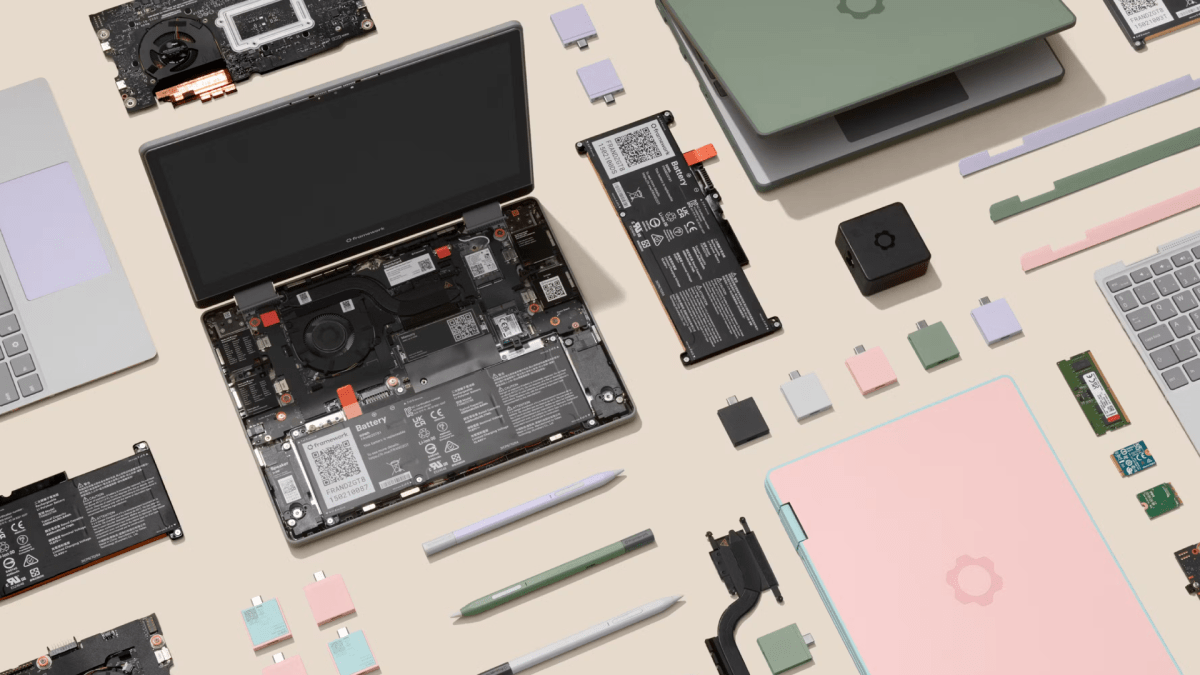
You know that meme 30 Rockwhere Liz Lemon says “What a week” and the response is “Lemon, it’s Wednesday”? The news coming across my desk certainly had that vibe as a whole. Cheap storage is now expensive, Framework’s founder thinks the PC may already be dead, and solar flares just made it onto my list of concerns.
On the bright side, Alienware has announced a $350 OLED monitor.
- A $350 OLED monitor: Yes, I looked out the window. No pigs. (Brad has this Alienware monitor to test, and I look forward to his review.)
- Discord, JMJ: If you needed further proof that Discord’s handling of age verification could be problematic for teens and parents, well…
- Nothing too much: at least, not for this creator who built a dome with Noctua fans. Specifically $600 worth of Noctua fans.
- Too late: Microsoft’s new Xbox manager may think that Game Pass is too expensive, but the damage is done. It will take a lot to come back from this one, in my opinion.
- More fuel for bad dreams: I didn’t have “solar flares” on my list of worries. I guess I also understand now why Gordon was a quiet prepper.
Frame
- Not a fan: I thought the Ryzen 7 5800X3D was a nice farewell for AM4. The rumor that it could be relaunched on the occasion of Ryzen’s 10th anniversary? Less attractive.
- I didn’t need this reminder: but I’ll give this Tom’s Hardware title an A+ for a Clippy 25th anniversary retrospective. The digital assistant that no one liked. Person.
- Ouch: I swear I say this word almost every week, but seeing my colleague Mike explain how the prices of SD cards and USB sticks have increased is pretty painful.
- An expensive lesson: There’s nothing like destroying a $5,000 Nvidia RTX 5090 in your quest to learn how to overclock.
- What a name: My colleague Sam shares tips several times a week (you should sign up for his newsletter, just saying) – and this particular tool, which helps you change Windows privacy settings from a centralized interface, definitely lives up to that moniker.
See you next week, when I might be less embarrassed by the first results of my annual spring tech cleaning. What I’m learning about myself isn’t pretty.
Alaina
This bulletin is dedicated to the memory of Gordon Mah Ungfounder and host of The Full Nerd, and Hardware Editor at PCWorld.


