Jason Kidd explodes with profanity defending Cooper Flagg usage decisions


NEWYou can now listen to Fox News articles!
Dallas Mavericks head coach Jason Kidd sparked some fury when asked about his use of No. 1 overall pick Cooper Flagg following a 111-107 loss to the Houston Rockets on Saturday night.
Some swearing was thrown in the process.
Throughout the season, Flagg, Duke’s star player who was the consensus first pick when the Mavericks won the NBA Draft Lottery, was used as a point guard in Kidd’s system rather than as a forward. Flagg, at 6-foot-9, has the handles to run the offense, but many believe his natural position is forward.
CLICK HERE FOR MORE SPORTS COVERAGE ON FOXNEWS.COM
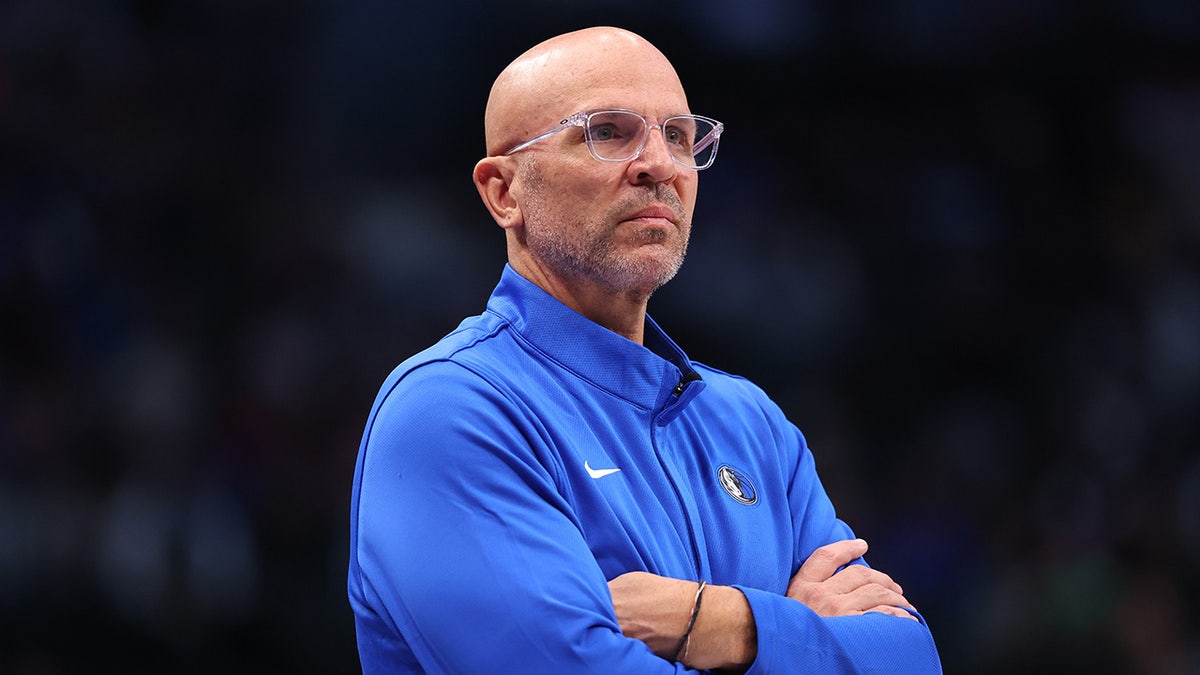
Head coach Jason Kidd of the Dallas Mavericks watches the second half against the Golden State Warriors at the American Airlines Center on January 22, 2026 in Dallas, Texas. (Sam Hodde/Getty Images)
When asked about the criticism Kidd has received from those who think he is misusing Flagg, he didn’t hold back.
“I don’t care about the criticism. The criticism? That’s your opinion. You’re writing bullshit…” Kidd said in his post-match press conference. “It’s not – I’ve done this. I’ve played this game. I’ve played it at a very high level. I know what I’m doing.”
A ten-time All-Star and six-time All-NBA point guard, Kidd is a Hall of Famer who needs no introduction in basketball circles.
COOPER FLAGG MAKES NBA HISTORY AS MAVERICKS FALL TO JAZZ
Kidd has also been coaching for a while since his playing days, leading the Brooklyn Nets and Milwaukee Bucks in a head coaching role before taking over the Mavericks, the team he played for eight of his 19 years, ahead of the 2021-22 season.
Given his history in the NBA, Kidd knows that criticism can come from all angles, but he continued to criticize the media in his postgame speech.
“I don’t care what you write,” he said. “Because you’ve never played this game. And so, I train players. So, I know what I’m doing. So, taking criticism, it only makes me better. Because if I didn’t do it right, you wouldn’t pick holes in what I did.”
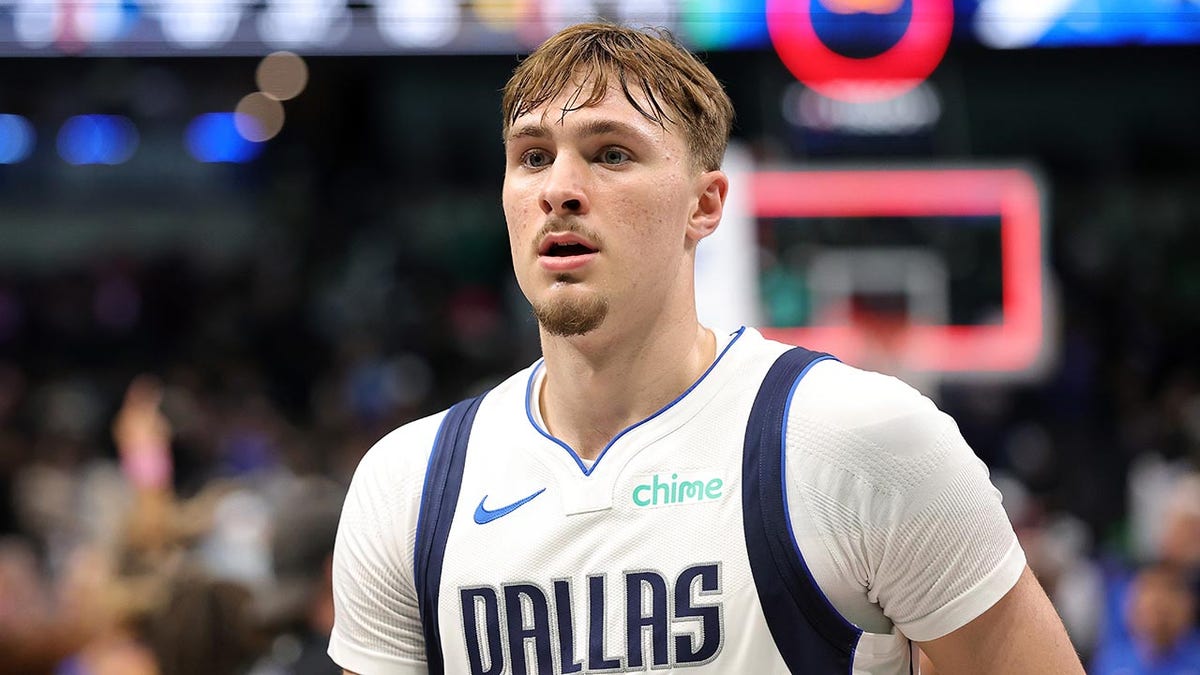
Cooper Flagg of the Dallas Mavericks leaves the court after a game against the Indiana Pacers at the American Airlines Center on October 29, 2025 in Dallas, Texas. (Stacy Revere/Getty Images)
Kidd refused to answer any questions afterward, storming back to the locker room after the tough loss.
Flagg struggled to get his NBA career off the ground, although he seems to have acclimated now. He averaged 19.8 points, 6.6 rebounds and 4.1 assists in his first 45 games with the Mavericks this season, setting himself up for possible Rookie of the Year recognition.
But despite recent performances of 49 points and a double-double of 34 points and 12 rebounds, the Mavericks have lost four straight games. Dallas is currently 11th in the Western Conference with a 19-30 record.
Injuries have plagued the Mavericks, however, particularly to Kyrie Irving, the team’s usual starting point guard, who is still recovering from a torn ACL. Kidd had to use Flagg and D’Angelo Russell at the position because they hope Irving can return this season.
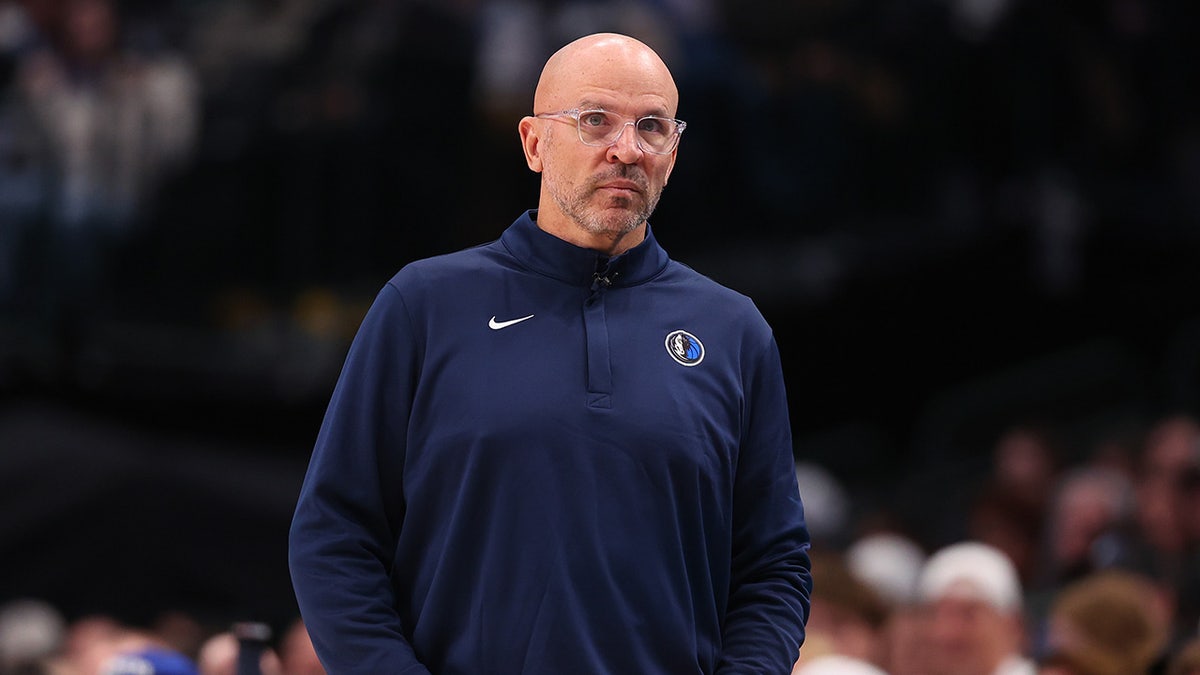
Head coach Jason Kidd of the Dallas Mavericks watches the third quarter of the game against the Los Angeles Lakers at the American Airlines Center on January 24, 2026 in Dallas, Texas. (Sam Hodde/Getty Images)
CLICK HERE TO GET THE FOX NEWS APP
Anthony Davis, the biggest part of Luka Doncic’s blockbuster trade with the Los Angeles Lakers last season, has also been sidelined with numerous injuries this season.
Flagg’s development will continue to be monitored in the future, where Kidd clearly believes he is doing the right thing with the new face of the franchise.
Follow Fox News Digital sports coverage on and subscribe to the Fox News Sports Huddle newsletter.


