CDC’s second-in-command abruptly steps down


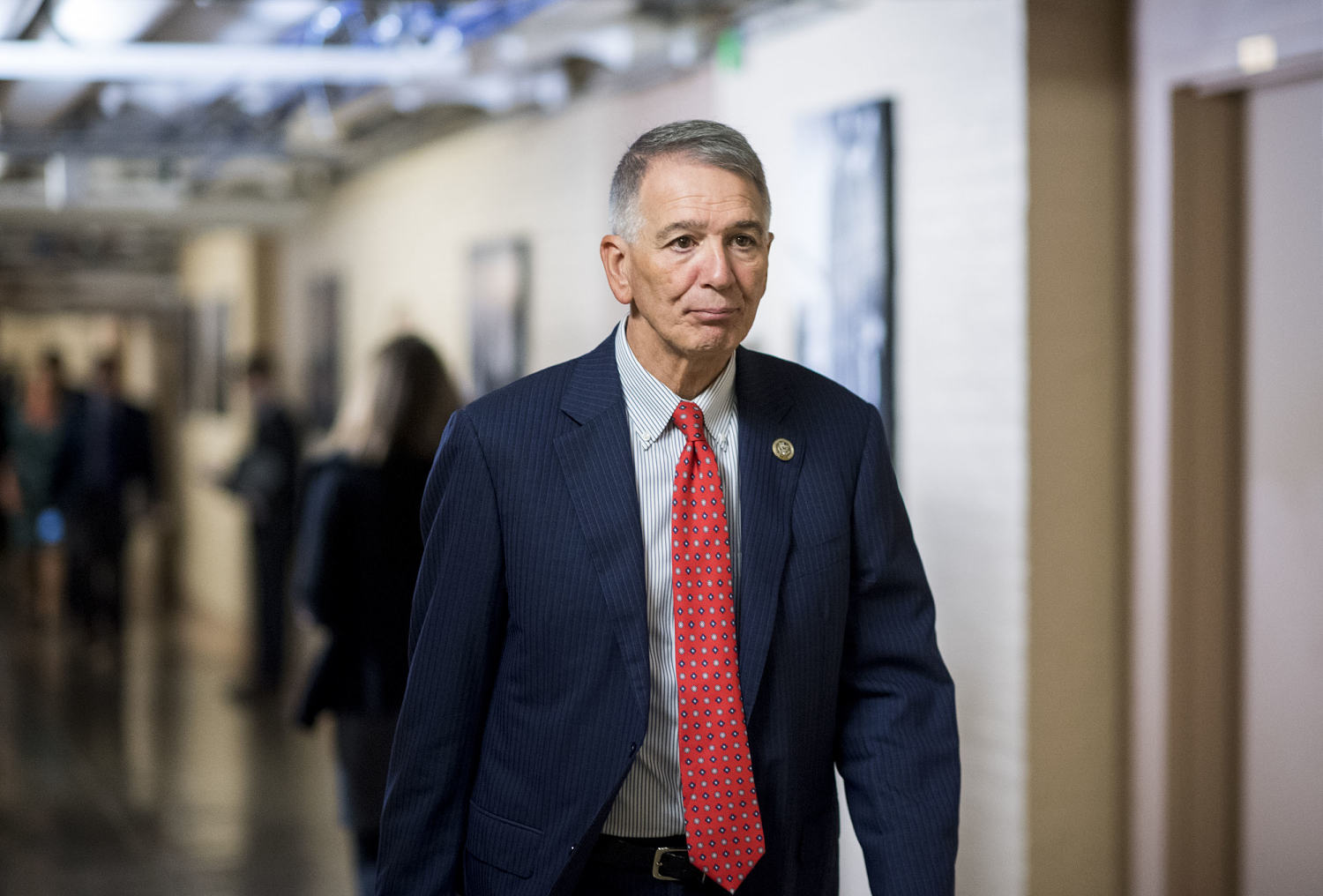
The principal deputy director of the Centers for Disease Control and Prevention, Dr. Ralph Abraham, abruptly resigned from his position Monday, the agency announced, citing “unforeseen family obligations.”
Abraham had been in this high-level position – second in command – for only three months. The departure is effective immediately, the CDC said.
“It has been an honor to serve alongside the dedicated public health professionals at CDC and support the agency’s critical mission,” Abraham said in a statement posted on the CDC website.
The agency was largely without its most senior leaders for most of President Donald Trump’s second term. Abraham’s departure is the latest in a series of high-profile exits from the CDC.
Earlier this month, Dr. Jay Bhattacharya, director of the National Institutes of Health, was named acting director of the CDC.
Bhattacharya replaced former acting director Jim O’Neill, who served in the role for several months after Susan Monarez was fired as director of the agency last August. Monarez held the position for only 29 days and later testified before Congress that Health Secretary Robert F. Kennedy Jr. pressured her to pre-approve vaccine recommendations “regardless of scientific evidence.”
After Monarez left, four top CDC officials resigned in protest, citing misinformation about vaccines that they said came from management at the Department of Health and Human Services.
Prior to his appointment at the CDC, Abraham served as surgeon general of Louisiana. While he held this position, the state health department waited several months to officially alert the public of an increase in whooping cough cases. By then, two babies had died from the disease.
Abraham has also long been a critic of Covid vaccines, suggesting without providing evidence that the vaccines are harmful.
While working at the CDC, Abraham appeared to dismiss the threat that the United States could lose its measles elimination status due to ongoing outbreaks. At a press briefing in January, he referred to the possibility as “the cost of doing business, our borders being somewhat porous.” [and] global and international travel.
This was the only time Abraham spoke to the national media.


