Four radioactive wasp nests found on South Carolina nuclear facility


According to the DOE, the site produced 165 million gallons of radioactive liquid waste, which were evaporated to 34 million gallons. The site has 51 waste tanks, of which eight have been operationally closed, the remaining 43 in various states of the closure process.
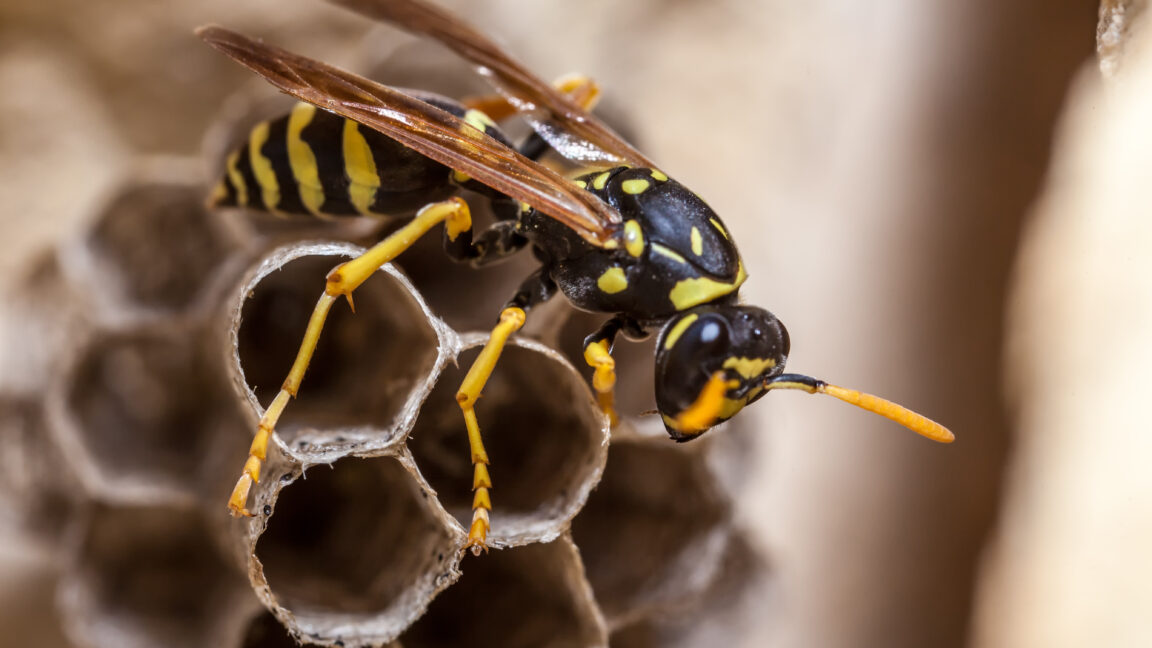
External experts quickly underlined the missing critical information in the NID report of the DOE, including the absolute level of radioactivity found in the nest, the specific isotopes that have been found and the type of wasps that built the NID. Some wasps build their nests in the mud, while others could use the cheated pulp of the wood.
Timothy Mousseau, biologist of the University of South Carolina who studies organizations and ecosystems in the radioactive regions, told Times that the explanation of the DOE according to which the wasps had gathered the contamination of the inheritance for their homes was not unreasonable. “There is an inherited radioactive contamination sitting in the mud at the bottom of the lakes, or, you know, here and there,” he said.
“The main concern concerns whether or not there are large areas of significant contamination that have escaped surveillance in the past,” said Mousseau. “Alternatively, this could indicate that there is a new or old radioactive contamination which returns to the surface which was unexpected.”
The DEE report of the first wasp said that the nest had been sprayed to kill the wasps, then wrapped as radioactive waste. The ground and the area around the place where the nest had been had no additional contamination.
In a declaration to the Aiken standard, those responsible for the DoE site noted that the wasps themselves have little risks for the community – they probably have lower contamination and generally do not move more than a few hundred meters from their nests.
But the Times highlighted a 2017 report, when SRS officials found radioactive bird excrement on the roof of a building on the site. Birds can transport long distances in radioactive material, said Mousseau.


