How the Masters keeps its concession prices low : NPR

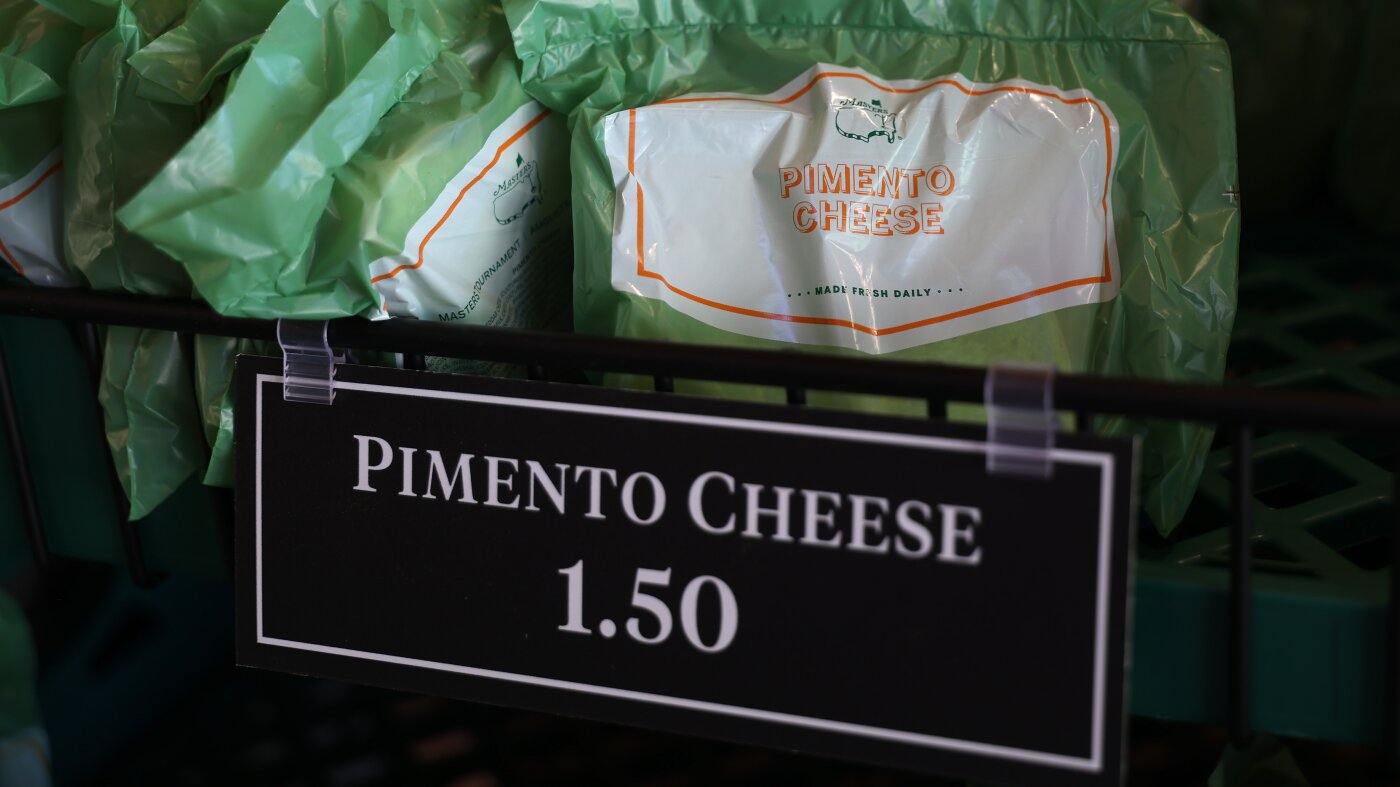

Concession stand sandwiches range from $1.50 to $3 at the Masters this year.
Andrew Redington/Getty Images
hide caption
toggle caption
Andrew Redington/Getty Images
The Masters went viral well before its first tee Thursday, as patrons — that is, spectators — arrived at the Georgia golf tournament to enjoy prizes seemingly straight out of yesteryear.
It’s not that prices have suddenly fallen. That’s because they’ve managed to stay low for decades, even as inflation and the war in Iran send the prices of many other products skyrocketing.

Augusta National Golf Club’s chili cheese sandwiches are just $1.50 this year, as they have been since 2002. They’ve been on the menu since the first tournament in 1934, when they cost 30 cents each, the equivalent of more than $7 today — meaning the price has actually improved a long time ago.
“From the items offered to the price paid, Masters pieces are a mode of consistent concessions,” the tournament said on Instagram on Tuesday.
This year’s various meat sandwiches, breakfast items and desserts, like the Georgia Peach Ice Cream Sandwich, cost no more than $3.00 each. The most expensive offerings, cans of beer and wine, will set you back a whopping $6.00.
In fact, a particularly indecisive or snacking attendee could purchase one of each of the 27 menu items for a total of $78.75.
“After paying high prices at other sporting events, it’s actually a very pleasant surprise to pay these prices,” spectator Monica Johnson told NPR last year. “I don’t even remember these prices when I was a kid.”
NPR has contacted tournament organizers for more information. Many have spoken publicly over the years about the importance of keeping their menu simple and approachable.
“We take some things very, very seriously. For example, the cost of a cheese and chili sandwich is just as important as the height of the second cutting (of grass),” Augusta National President Billy Payne said in 2007.

The Masters website explains that in its early days, most guests only came to town for a day trip due to the “lack of hotel rooms in Augusta.” The deliberately no-frills menu “allowed for low prices and also provided a way to prepare food in the kitchens of Augustinian residents,” it says. (The sandwiches were prepared by a series of local caterers before the tournament moved all concessions on-site in 2013.)
The menu has evolved slightly over the decades. The chicken salad wrap became a brioche sandwich in 2021; a savory tomato pie debuted in 2025. This year, the new Masters Candy Bar ($2.25) replaces peanuts, while the price of blueberry muffins and cheese straws has increased by 50 cents since last year.
How the Masters makes its money

A coveted lawn gnome costs $59.50, almost as much as the entire food menu added together.
Andrew Redington/Getty Images
hide caption
toggle caption
Andrew Redington/Getty Images
The concession agreements stand in stark contrast to ticket prices, which are high and continuing to rise.
Getting tickets is notoriously difficult. The Masters holds a lottery almost a year in advance, the only way to purchase official tickets. There is also a waiting list for a “patron badge” – but there are only a limited number of these in circulation, and the list is so long that it has not accepted new applications since a brief window in 2000.
This year, practice round tickets were $125 and $150, individual tournament rounds were $160, and four-day tournament badges were $525. That’s an increase from $450 over the past three years.
Resale tickets are strictly prohibited by the golf club, but tend to circulate on secondary platforms, often with five-figure price tags. On Thursday, for example, single-round tickets for the final three days of competition were available on StubHub starting at more than $6,000, while a last-minute badge for four days cost more than $20,000.
And for those who get a ticket, taking a souvenir home can also be expensive.
The hottest merchandise this year is a lawn gnome dressed in khaki and holding an umbrella that costs $59.50, $10 more than last year.
The price hike hasn’t stopped spectators from lining up to buy one (which is the limit per customer) of the roughly 1,000 expected to be available each day, as sports publication Front Office Sports reports.
It’s the 10th anniversary of the Masters’ first memory of the gnomes. They’re dressed differently each year — alternately wearing a Christmas sweater or holding a Georgia peach ice cream sandwich — and officials have neither confirmed nor denied rumors that this could be their last year on the shelves.
Although official revenue data is scarce, Forbes estimates the figure at $141 million in 2022. The bulk – $69 million – came from merchandise, followed by badges, international television rights and just $8 million from concessions. That’s a lot of cheese sandwiches.
How much will other classic dealerships cost you?

Honey Deuce cocktails, a US Open staple, cost $23 (souvenir cup included) in 2025.
Monica Schipper/Getty Images
hide caption
toggle caption
Monica Schipper/Getty Images
The Masters isn’t the only U.S.-based sporting event to feature a signature snack.
The US Open, the tennis tournament held annually in New York, is known for its “Honey Deuce”, a vodka and raspberry lemonade sold (in a commemorative cup) for $23 last year. The iconic Kentucky Derby mint julep, in a souvenir cup, cost $22 — after climbing steadily from 75 cents in 1940.
And ballparks across the country have recently unveiled increasingly wacky concession options for the new baseball season.
For $8 more you can get your tenders or nachos served on a ferry (Seattle Mariners). There’s also a $39 “Lobstah Poutine” (Boston Red Sox), a $26 two-foot-long quesadilla in a custom carrying case (Miami Marlins), and a portable 9th inning rally nacho sombrero (Texas Rangers) for $40.