Lip balm’s surprising history from earwax to Lip Smackers


Whether in your pharmacy cabinet, at the bottom of your bag or drive somewhere in your car, there is a good chance that you have at least one tube of lip balm. Apply a little to protect the thin skin from your lips against cold winds, the burning sun or any other force that could dry, chap and break them feels both common sense and routine. But have you ever stopped to ask yourself, when humans have started to enhance waxy substances on our lips? And how did we go from this basic protection concept to something like a bright and flavored Smacker Bell Bell?
The old history of the origin of lip balm
The origins of lip balm are difficult to identify, explains Alicia Schult, archival researcher and former expert in remedy behind the historic Apothecary of LBCC. Organic materials like the waxes decompose quickly and many cultures have never written their daily personal care plans, so the historical file is at best uneven. The files that we have often processed with the salvas as a general use, for any part of the body, and blur the boundaries between care articles, cosmetics and medical treatments.
[ Related: The evolution of sunglasses from science to style (and back again) ]
However, there is archaeological evidence that the Neolithic through the Mediterranean used beeswax to impervious their pottery, underlines Schult. If our prehistoric ancestors knew that wax could seal and protect things, then they probably experienced it – and with fats and oils sealing humidity – on their sensitive lips, she supports. Communities around the world have probably spread independently towards the invention of proto and still still and still. This would explain why we see waxes and oils in the handful of old recipes for salvan and makeup focused on the lips, from Egypt to India in China.
“Salves” of medieval lips, from the luxurious on a daily basis
The targeted salvas, intended to protect or cure “the lippes which are split and full of headdresses, by means of cold or wind”, begin to appear in European texts of the 16th century as The secrets of the Reverend Maison Alexis de Piemont. The recipes for these medicinal volumes are quite complex – one calls for Hart goose and brains mixed with silver, myrrh, ginger powder, honey and several other precious ingredients on a wax and olive oil.
Common Folk has developed its own cheap and simple remedies, known as Schult, transmitted from generation to generation at the beginning, then, in the 19th century, more and more in handwritten recipe books or almanacs intended for a slightly wider audience. (Burt bees used an old Almanac recipe as the basis of its commercial balm.) The formulas varied according to local ingredients that a family could cause, explains Schult. In 1833, the abolitionist and writer of the domestic economy Lydia Maria Child actually suggested using your own spray as a lip balm. Although certainly an ingredient easy to acquire, the child’s advice failed to win a lot of traction.
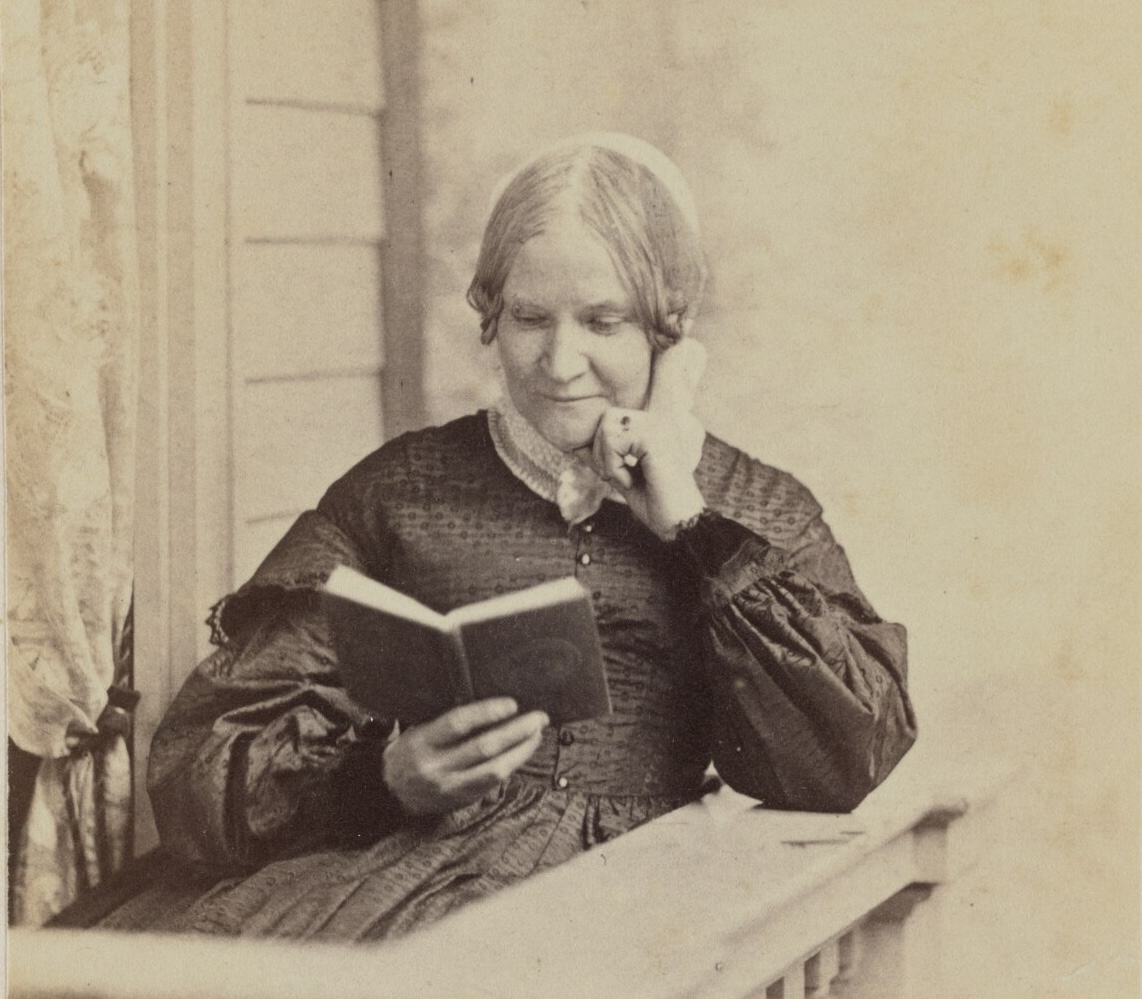
“Historically, if you take a recipe labeled” a lip balm “and you have brought it to households from different countries, most would recognize the basic formula” of a kind of wax or fat and oil, explains Schult. (Despite the earwax remedies).
The commercial lip balm takes off
The brands of cosmetics and personal commercial care – which emerged at the end of the 18th century and took off alongside industrialization, correspondence sales systems and department stores during the next century – standardized these varied formulas, explains Schult, transforming lip balm into a uniform, portable and stable product. But these mass market balms did not look like the twisted small tights of the sweet wax that we use today. They came to “hard blocks, designed to have fluctuating temperatures without melt,” explains Schult. People were carrying these blocks in paper or boxes and chip bits to rub their lips if necessary. Other lip balms at the end of the 18th century came like a puree or a spread, sold in small pots and jars.
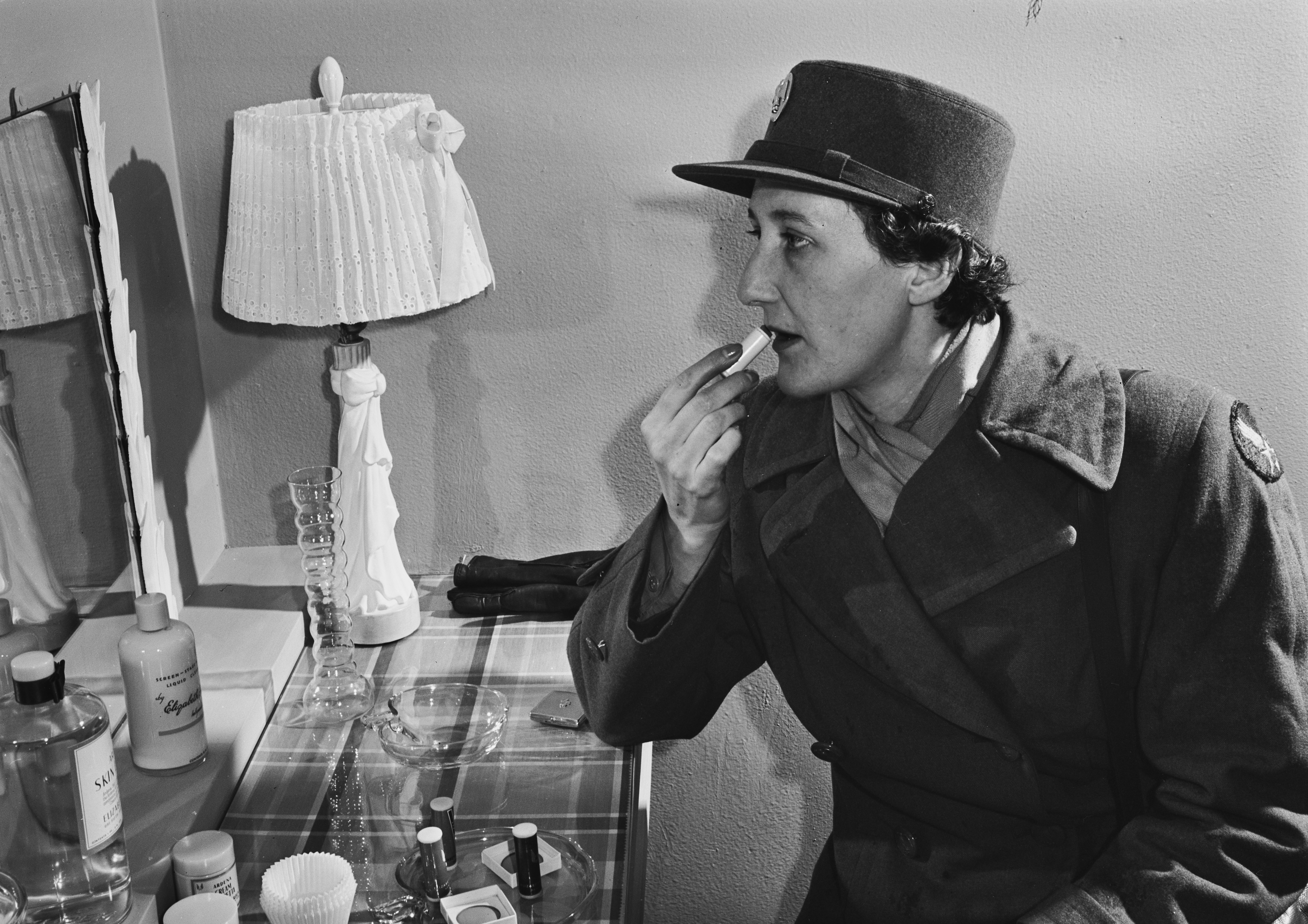
In 1869, Lip Balm obtained an upgrade. A doctor named Charles Brown Fleet opened a pharmacy in Lynchburg, Virginia, and began to experiment with different formulas, finally developing a lip balm with the yellowish color and the texture of the sweet chronicle that we would recognize today. Fleet has never been very lucky as a seller, he therefore sold the recipe to a partner in 1912, whose woman suggested modeling it in portable sticks using brass tubes for easier use. The brand took some time to catch up, but from the 1930s, Chapstick became the norm of lip balms in the United States. In fact, it was so successful that the brand name is now synonymous with the product in America – a process known as the credits. Inventors in Europe and Japan have developed products similar to the turn of the 20th century, such as Lypsyl in the first and Yojiya in the second, which also defined the category in their regions.
The craze for modern lip balm
For a large part of the last century, entrepreneurs played with packaging, introducing alternatives to the torsion stick, such as compressive tubes and friction balls. Inventors have also started to mix soothing or medicinal compounds in lip balms and multiple uses – for, say, cold pimples or acne pain. Perfumes, flavors and shiny colors have also been added, to make the balms more attractive, once again blurring the lines between the pancakes and the aesthetic cosmetics.
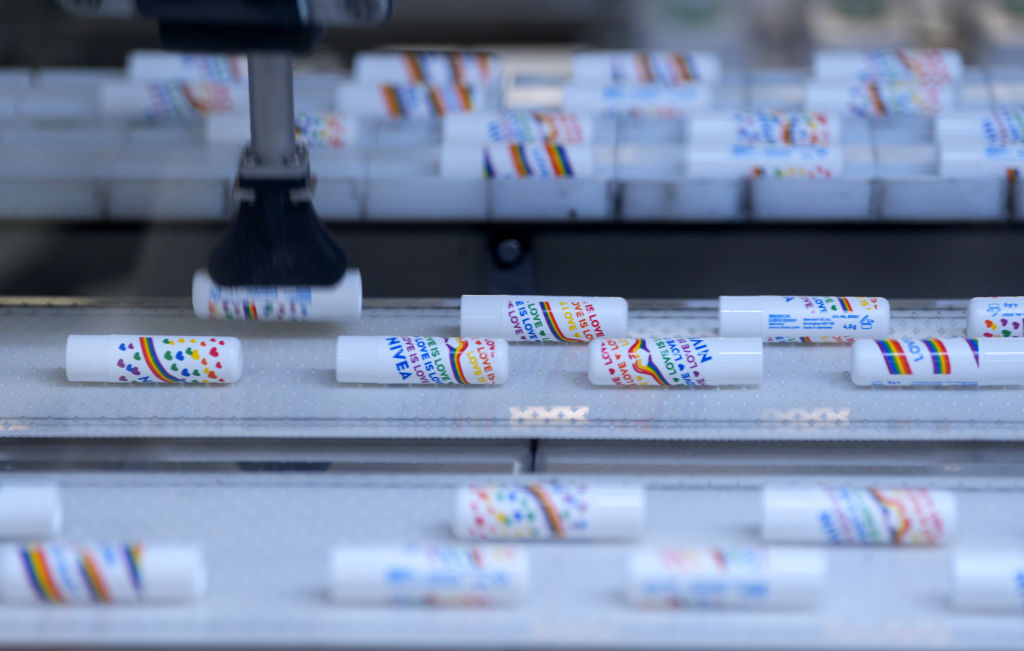
In the 1990s, the flavored brilliants like the lip smackers were so popular and sometimes used so often and strongly, that people began to worry, they could be addictive. This fear, the doctors concluded in the early 2000s, is baseless. But people are inclined to lick their lips when they wear tasty balms, which can wear out with the protective layer and ironically cause drying and scchapage as the spindle evaporates. Scented additives such as cinnamon or mint, and ostensibly soothing ingredients such as camphor and menthol can also irritate our lips rather than protecting them.
These revelations, alongside the growing skepticism towards industrial brands and additives, seem to fuel a renewed interest in the returns to the base. Brands like Burt bees have gained an incredible quantity of market share in a few decades, and researchers explore new mixtures of wax and oil, with a view to efficiency and sustainability. But even if new entirely natural options emerge and gain in popularity, we probably do not return to the time of the DIY lip balms in the 19th century, in ear parasites or in goose brain. However, spare a thought the next time you search in your bag for the line connecting your wax tube to these first salvas – and the generations of innovation that brought your favorite lip balm to your hand.
More offers, reviews and purchasing guides