Google Maps vs Waze vs Apple Maps detailed comparison guide for 2025


NEWYou can now listen to Fox News articles!
Navigation apps have become an essential part of modern life. Whether you’re commuting to work, running errands, or exploring a new city, relying on accurate directions and real-time traffic updates can make all the difference. Over the past decade, Google Maps, Waze, and Apple Maps have become the dominant players in this space, each offering a distinct approach to navigation.
While millions of people rely on these apps daily, choosing the right one can depend on a variety of factors, from interface design to privacy policies. In this article, we compare these three apps in terms of usability, accuracy, features, and data management to help you determine which one best suits your needs.
Sign up for my FREE CyberGuy Report
Get my best tech tips, urgent security alerts and exclusive offers straight to your inbox. Plus, you’ll get instant access to my Ultimate Scam Survival Guide – free when you join my CyberGuy.com bulletin.
What each app does best
Google Maps Iis widely considered the all-rounder. It combines extensive map data with points of interest, transit information, Street View, Live View AR and detailed business listings. Its versatility makes it a top choice for both daily commuters and travelers.
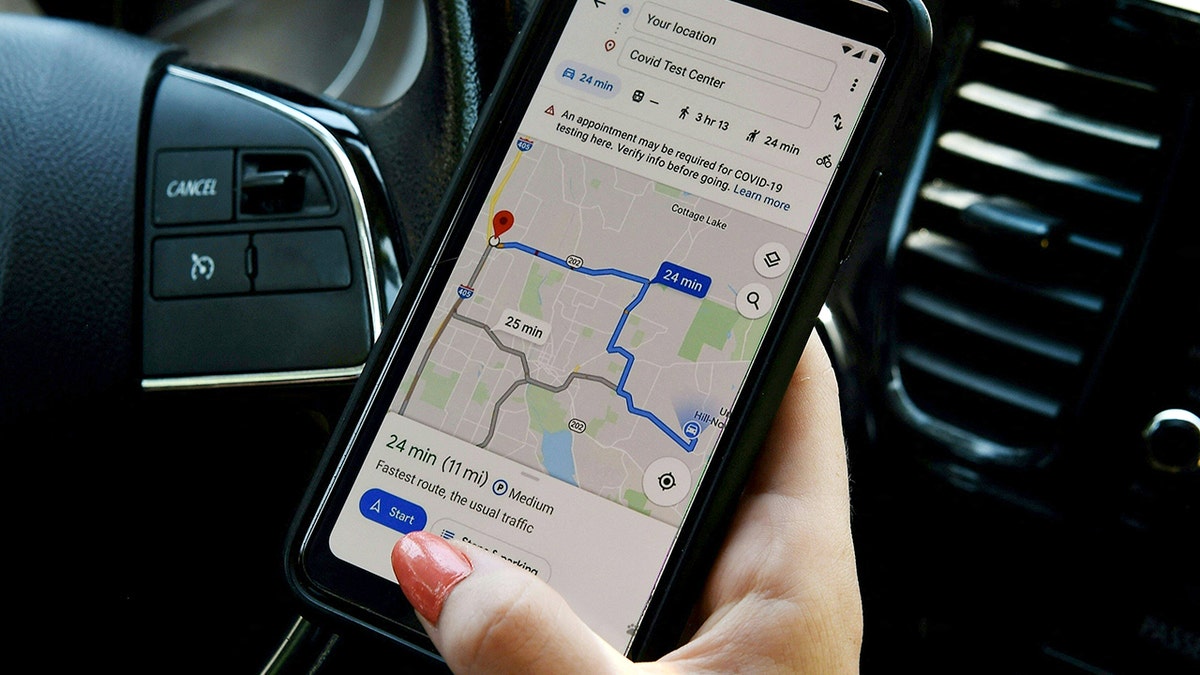
Google Maps is a great way to explore the world with detailed driving directions, Street View, and real-time traffic information. (OLIVIER DOULIERY/AFP via Getty Images)
Waze, on the other hand, it is designed primarily for drivers. It thrives on community input, offering live updates on traffic jams, road hazards, accidents and even police presence. Since Google has owned Waze, many Waze-like real-time alerts have started appearing directly in Google Maps. Although Waze still focuses on driving, this integration blurs the lines between the two apps.
Apple Cards has made great progress in recent years. Once considered the underdog, it’s now a solid choice for iOS users. Its clean interface, privacy-focused design, and seamless integration with Siri, CarPlay, and Apple Watch make it a practical choice for those who are fully a part of the Apple ecosystem.
INSTAGRAM’S FRIEND CARD FEATURE RACES PRIVACY QUESTIONS
Usability and interface
When it comes to interface, each app approaches design differently.
Google Maps offers a dense but intuitive layout, allowing users to access multiple layers of information, including traffic, satellite imagery and public transport routes. Switching from driving to walking, biking, and public transit is simple, and the search functionality is robust, often displaying detailed business profiles, reviews, and hours of operation.
Waze prioritizes active driving assistance. Its interface is visually bold, with clear alerts about traffic jams, accidents and road hazards submitted by other users. While some may find the screen slightly cluttered, the focus is entirely on driving efficiency, which makes sense given its target audience.

Waze helps you navigate a faster route with community-driven live alerts that help you avoid traffic jams and road hazards. (Kurt “CyberGuy” Knutsson)
Apple Cards offers a minimalist, streamlined interface that emphasizes simplicity. Searching for locations, launching navigation, and following step-by-step instructions is simple. The app works seamlessly with iOS features like Siri and CarPlay, providing a smooth and consistent experience for Apple users.
Navigation accuracy and performance
Accurate routing and timely traffic updates are essential.
Google Maps remains the most reliable for accurate route and travel time estimates. It combines AI-enhanced predictive routing with historical and live traffic data to suggest the best route. Its consistency remains strong in both urban and rural areas.
Waze is unmatched for real-time rerouting. Relying heavily on crowdsourced reports, it often detects slowdowns or hazards before Google Maps. However, it still struggles when offline or in areas with low data coverage.
Apple Cards has significantly improved its routing accuracy, especially in cities. Its traffic data now comes from millions of iPhones and is processed on-device to protect privacy. In some rural or international locations, however, it may still lag behind Google Maps and Waze.
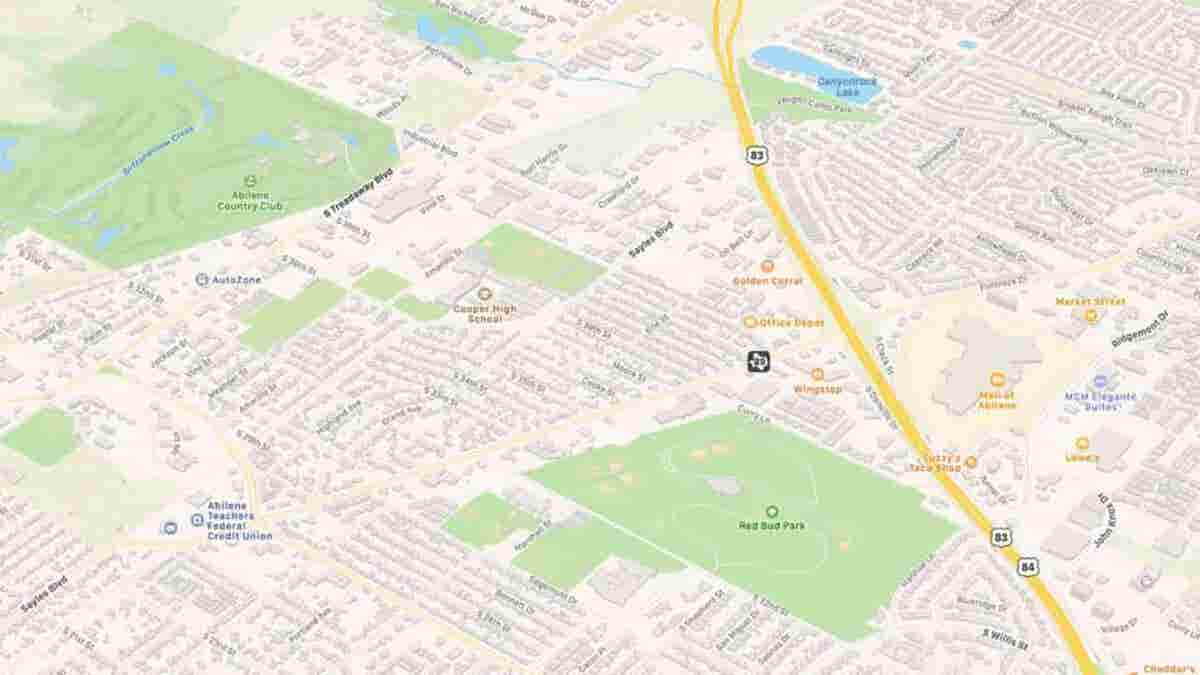
Apple Maps offers seamless use with your iPhone and CarPlay for seamless, privacy-focused navigation. (Kurt “CyberGuy” Knutsson)
Ecosystem Features and Integration
Beyond basic navigation, each app offers additional tools and integrations.
Google Maps offers offline maps, Live View AR navigation, multi-stop routing, EV charger locations and indoor maps for airports and shopping malls. Integration with Gmail, Calendar and Google Assistant creates a seamless travel experience.
Waze remains focused on social and driving-specific features. You can report dangers or police sightings and even control Spotify, Audible or podcasts directly from the app without switching screens.
Apple Cards looks at privacy and ecosystem benefits. Its “Look Around” functionality rivals Street View, while EV routing, bike lanes, and Siri integration make it ideal for Apple fans. Apple also uses anonymized “Look Around” images to train its AI models, but with strict privacy guarantees like blurring faces and plates.
YOUR PHONE IS TRACKING YOU EVEN IF YOU THINK IT’S NOT
Confidentiality and data processing
How these apps manage your personal data is more important than ever.
Google Maps collects detailed location and usage data to power personalization and advertising. This means better recommendations, but less privacy for users who prefer anonymity.
Waze, also owned by Google, gathers anonymized driving data to improve community reporting. Its functionality depends on sharing your location in real time, which is necessary for crowdsourced accuracy.
Apple Cards takes a different approach. It processes most data on the device, uses random IDs instead of personal accounts, and doesn’t associate searches with your Apple ID. This makes it the most privacy-conscious option, although even Apple collects anonymized data to improve traffic and routes.
Take my quiz: How safe is your online security?
Do you think your devices and data are truly protected? Take this quick quiz to see where your digital habits stand. From passwords to Wi-Fi settings, you’ll get personalized analysis of what you’re doing right and what needs improvement. Take my quiz here: CyberGuy.com.
Kurt’s key point
There is no “best” navigation app, and the right choice depends on your priorities. Google Maps is ideal if you want a versatile, feature-rich app that works well for a variety of transportation modes and travel scenarios. Its global coverage and rich data make it reliable for everyday use and exploration. Waze is ideal if your main concern is real-time driving efficiency. Its community traffic alerts and dynamic rerouting help you avoid traffic jams and save time on daily commutes. Apple Maps is suitable for users deeply ingrained in the Apple ecosystem who value simplicity, clean design, and privacy. It may not have as many features as Google Maps or the same real-time advantage as Waze, but its seamless integration with iOS makes it convenient.
Which navigation app do you rely on most for your daily commute, and why? Let us know by writing to us at CyberGuy.com.
Sign up for my FREE CyberGuy Report
Get my best tech tips, urgent security alerts and exclusive offers straight to your inbox. Plus, you’ll get instant access to my Ultimate Scam Survival Guide – free when you join my CyberGuy.com bulletin.
CLICK HERE TO GET THE FOX NEWS APP
Copyright 2025 CyberGuy.com. All rights reserved.


