Google’s Circle to Search Can Now Translate As You Scroll


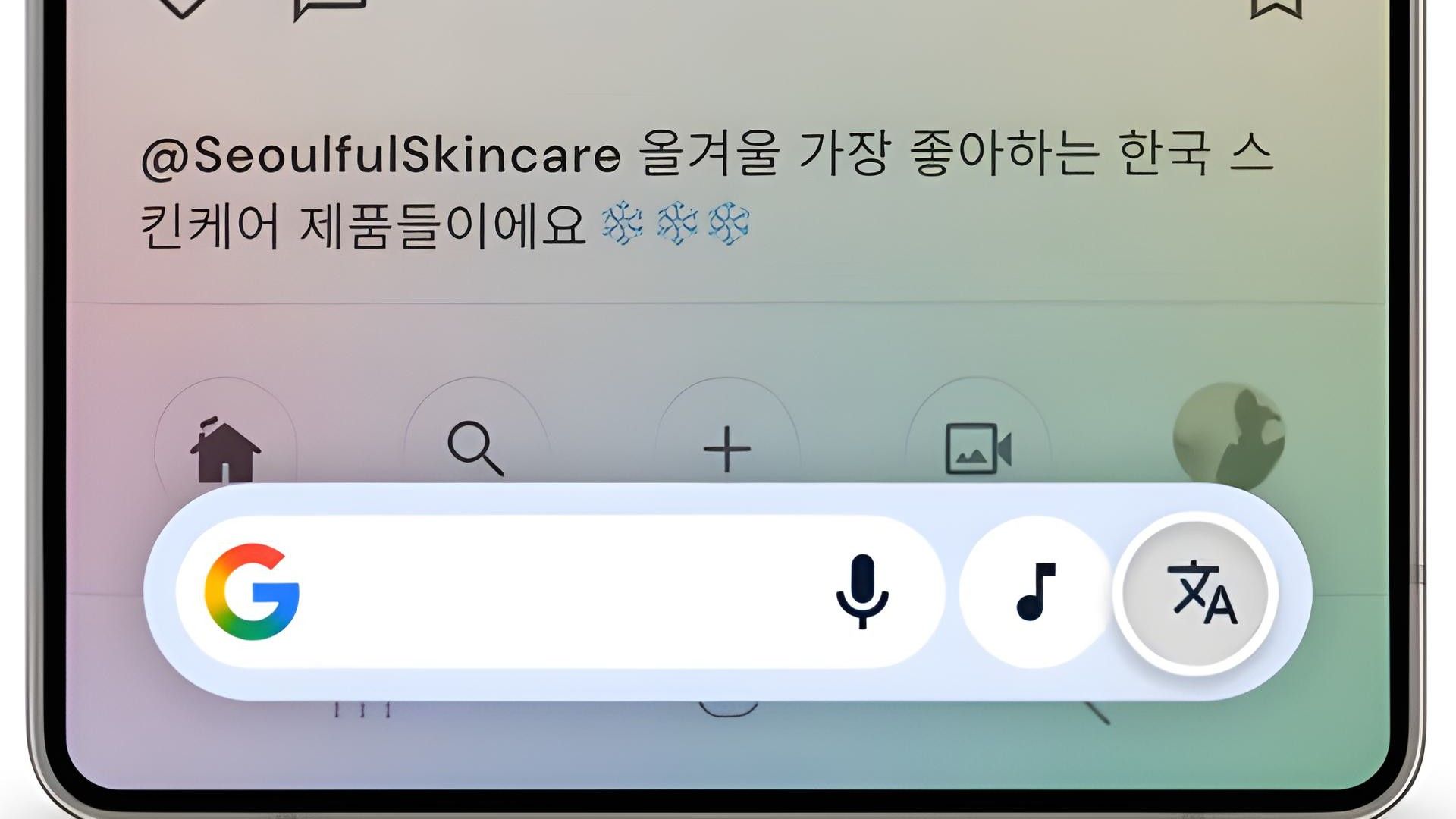
The Google Circle To Search search function can now constantly translate text on your screen when you scroll or even switch between applications. You no longer have to restart the circle to search for the process each time you want to translate what is on the screen.
Translating content on your screen was long enough if you used it for social media. The scrolling has removed the circle to search, so you had to press a long time and wait for a translation several times. The use of Circle To Search has become much faster by simply pressing the home button or a navigation bar to start Circle to search, by pressing the translate icon, then pressing “scroll and translate”.
Once you have done this, you can scroll through the page, browse the screens and even go to another application, and the text will continue to translate without you having to do one thing. This is a massive improvement for anyone who uses Circle to search for translation, which, according to Google, is one of the most used features of the tool.
I have never used the other features of Circle to search to see what they do; Otherwise, I am one of those people who translate directly. I use it quite often because I am part of a bilingual family, but I am not as commonly the Spaniard as before. It saves me from the constant hassle to restart the circle to the research process, which quickly begins to be tedious.
Circle to Search translates everything on the screen for as long as you have it. The tool reminds you that you use it and what is translated, so you will not forget that it is activated. When you have finished, you can press the X and surround so that the search goes out.
My favorite part of this is that it almost perfectly replaces the words on the screen. This includes the color of the test and where it is on the screen. Although this is probably intended for Instagram applications and on social networks, whoever wishes to read manga or online content not translated in English can now try it to see a better interpretation of words before official translations.
Google’s approach with this update is quite interesting. It takes place, but only to “select Samsung Galaxy devices” this week, before a wider version to other Android phones. It is logical to have it first on more recent phones, and it is a model similar to the way the company has deployed the previous circle to search for updates, starting with a key partner like Samsung before expanding the broader Android ecosystem.
In any case, it is an intelligent way to test the functionality and obtain user comments before a large -scale deployment. I’m happy to have stuck with the Samsung Galaxy brand for years, but I can see how it would be boring for anyone who has no Samsung apparatus. The silver lining is that when other androids get the functionality, it will be even more polite.
Source: Google


.jpg.png?w=390&resize=390,220&ssl=1 "Your Weekly Horoscope: February 8 to 14, 2026")

